A Refuge for the Innocent: Understanding Deuteronomy 19:4
“And this is the case of the slayer, which shall flee thither, that he may live: Whoso killeth his neighbour ignorantly, whom he hated not in time past;” — Deuteronomy 19:4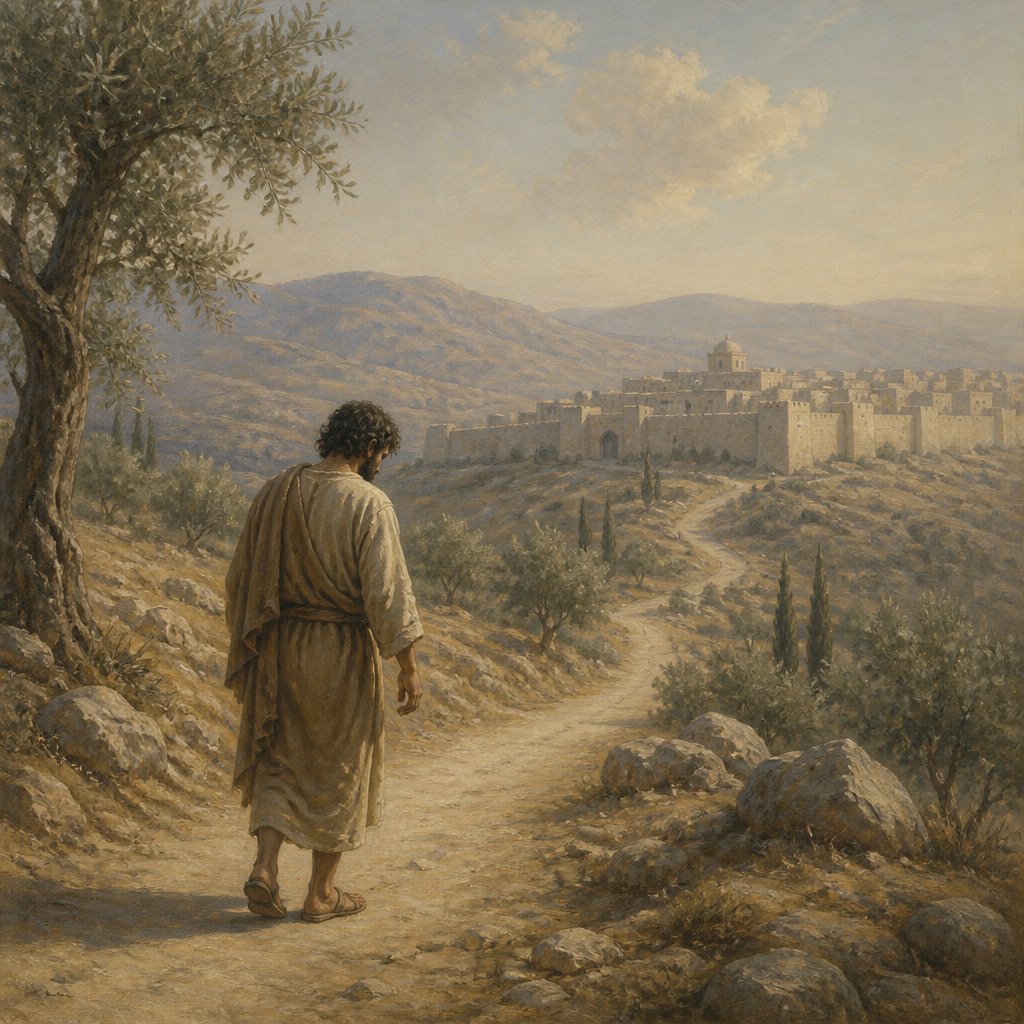
In the mosaic of Biblical teaching, few passages can envelop the reader in the depth of God’s justice and mercy quite like Deuteronomy 19:4, which states: "And this is the case of the slayer, which shall flee thither, that he may live: Whoso killeth his neighbour ignorantly, whom he hated not in time past." At first glance, it may appear to merely outline a legalistic scenario regarding accidental manslaughter, but within it, we find profound truths about the nature of God as both a righteous judge and a loving protector.
This verse suggests an important distinction: not all deaths are equal in the eyes of God. The very term "slayer" evokes images of violence and tragedy; yet, in this context, we see a more nuanced understanding where intent matters. God’s law encapsulated the essence of justice by allowing for cities of refuge, where an individual who had unintentionally taken another’s life could seek asylum from the avenger of blood. The system was set in place not only to uphold justice but also to protect those who acted without malice.
To fully appreciate the implications of this verse, we must delve into the emotional and spiritual dimensions surrounding the act of killing. It’s easy and, often, justified, to label a perpetrator as irredeemable if they take another life. However, Deuteronomy 19:4 reminds us that God looks upon the heart and the context of our actions. The slayer who has acted without hatred is afforded grace and a chance at redemption—this unveils a crucial component of divine mercy.
Consider the weight of the phrase "whom he hated not in time past." This indicates a prior relationship, an acknowledgment of humanity beyond the tragic incident. The underlying message is that relationships matter; they define our interactions and shape our responses. The heart of the issue is one of intent, rooted in the deeper moral fibers of love and community. God does not overlook the sanctity of life, but He also recognizes that we live within a world marked by faults and failures.
As believers, how do we handle situations where mistakes lead to catastrophic consequences? How often do we find ourselves attending to the wounds of relationships strained by misunderstandings or unintentional wrongdoings? Like the slayer who flees to the city of refuge, we too have a refuge in Christ. His arms are open to those who repent, who seek forgiveness, and who long to mend what’s broken. Just as the cities of refuge were established to protect and restore, so Jesus provides the ultimate sanctuary for our shattered lives.
In our pursuit of justice and righteousness, we can sometimes forget to extend mercy. Galatians 6:1 reminds us to restore those caught in sin gently. We see this in Jesus’s interactions with those society considered scandalous. His mission filled the gap where human judgments faltered. How do we reflect that attitude in our own lives? Are we quick to condemn, or do we extend compassion? Deuteronomy 19:4 provokes essential questions about our responses to those who falter—especially when their failings stem from ignorance or unintentional acts.
In closing, let us realize the import of this verse in shaping our understanding of justice and mercy. It challenges us to embrace a heart that seeks restoration over retribution. May we remember that the God of the Old Testament is as much a God of grace as He is of law. He provides a path for the weary and wounded to find safety and recuperation in His loving embrace. Let this profound truth mold our interactions—leading us to love, forgive, and extend refuge to those in need, mirroring the divine grace we have so freely received.
As we meditate on Deuteronomy 19:4, let us commit to being agents of hope in a world yearning for redemptive love.
Get our apps


Artwork for Deuteronomy 19:4

Deuteronomy 19:4 - "¶ And this is the case of the slayer, which shall flee thither, that he may live: Whoso killeth his neighbour ignorantly, whom he hated not in time past;"
"¶ And this is the case of the slayer, which shall flee thither, that he may live: Whoso killeth his neighbour ignorantly, whom he hated not in time past;" - Deuteronomy 19:4

Deuteronomy 30:19:

Deuteronomy 5:19 - "Neither shalt thou steal."

Deuteronomy 4:19 - "And lest thou lift up thine eyes unto heaven, and when thou seest the sun, and the moon, and the stars, even all the host of heaven, shouldest be driven to worship them, and serve them, which the LORD thy God hath divided unto all nations under the whole heaven."

Deuteronomy 10:19 - "Love ye therefore the stranger: for ye were strangers in the land of Egypt."

Deuteronomy 14:19 - "And every creeping thing that flieth is unclean unto you: they shall not be eaten."

Deuteronomy 26:4-10

"Neither shalt thou steal." - Deuteronomy 5:19

Deuteronomy 26:4-10

Deuteronomy 19:7 - "Wherefore I command thee, saying, Thou shalt separate three cities for thee."

Deuteronomy 6:19 - "To cast out all thine enemies from before thee, as the LORD hath spoken."

Deuteronomy 4:4 - "But ye that did cleave unto the LORD your God are alive every one of you this day."

Deuteronomy 19:19 - "Then shall ye do unto him, as he had thought to have done unto his brother: so shalt thou put the evil away from among you."

Deuteronomy 27:19 - "Cursed be he that perverteth the judgment of the stranger, fatherless, and widow. And all the people shall say, Amen."

Deuteronomy 19:16 - "¶ If a false witness rise up against any man to testify against him that which is wrong;"

Deuteronomy 12:19 - "Take heed to thyself that thou forsake not the Levite as long as thou livest upon the earth."

Deuteronomy 28:19 - "Cursed shalt thou be when thou comest in, and cursed shalt thou be when thou goest out."

Deuteronomy 32:19 - "And when the LORD saw it, he abhorred them, because of the provoking of his sons, and of his daughters."

Deuteronomy 34:1-4 – Moses views the Promised Land from Mount Nebo.

Deuteronomy 34:1-4 – Moses views the Promised Land from Mount Nebo.

Deuteronomy 34:1-4 – Moses views the Promised Land from Mount Nebo.

Deuteronomy 4:44 - "¶ And this is the law which Moses set before the children of Israel:"

Deuteronomy 19:18 - "And the judges shall make diligent inquisition: and, behold, if the witness be a false witness, and hath testified falsely against his brother;"

Deuteronomy 19:20 - "And those which remain shall hear, and fear, and shall henceforth commit no more any such evil among you."

Deuteronomy 12:4 - "Ye shall not do so unto the LORD your God."

Deuteronomy 33:4 - "Moses commanded us a law, even the inheritance of the congregation of Jacob."

Deuteronomy 34:1-4 – Moses views the Promised Land from Mount Nebo.

Deuteronomy 34:1-4 – Moses views the Promised Land from Mount Nebo.

Deuteronomy 6:4 - "Hear, O Israel: The LORD our God is one LORD:"