The Weight of Sin: Understanding Divine Justice and Community Accountability
“And all the men of his city shall stone him with stones, that he die: so shalt thou put evil away from among you; and all Israel shall hear, and fear.” — Deuteronomy 21:21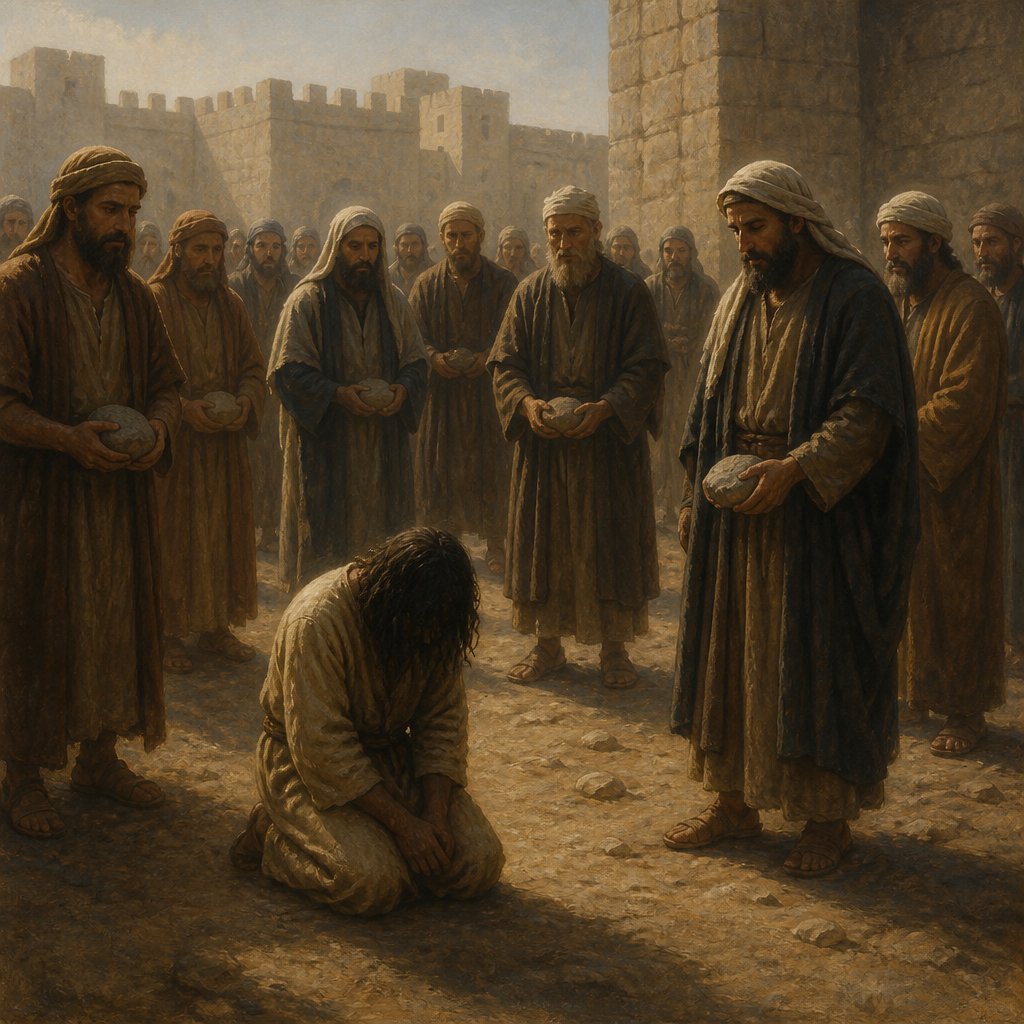
Deuteronomy 21:21 in the King James Version states, "And all the men of his city shall stone him with stones, that he die: so shalt thou put evil away from among you; and all Israel shall hear, and fear." This verse examines an aspect of the Law given to the Israelites—an instruction concerning the severe punishment for a rebellious son. At first glance, it may seem harsh, even incomprehensible, but there are deeper principles at play that speak to the nature of sin, community responsibility, and the holiness of God.
To better understand this scripture, we must consider the context in which it was given. The ancient Israelites lived in a theocratic society where they were bound by God’s laws. Within this framework, sin was not only an individual failing; it had communal implications. The sin of one could impact the entire community, and God set forth laws to protect the holiness of His people. The severe consequences outlined in Deuteronomy were designed to instill a profound sense of fear and reverence for sin.
When speaking of 'rebellious sons,' we are not just discussing youthful disobedience but a deliberate choice to reject the authority established by God. This reflects a societal structure ordained by God, where honor and obedience to parents and elders were paramount. To willfully rebel against such authority was ultimately a rebellion against God Himself. In the same way that a small blemish can grow into a more significant infection, sin, if left unchecked within a community, could fester and spread, leading to moral decay.
This stoning ritual highlights a community's collective responsibility and accountability. The men of the city were to actively participate in the enforcement of justice, symbolizing that holding one another accountable is essential in maintaining communal purity and obedience to God’s laws. This act was a sobering reminder that all Israel was to be vigilant against evil influences that could threaten their covenant relationship with God.
Interestingly, the verse concludes with a call for all of Israel to hear and fear. The fear mentioned here is not one of terror, but rather a deep reverence and respect for God’s holiness and the seriousness of sin. This kind of fear serves as an alert to the people of Israel to consider the weight of their actions and decisions. How easy it is in today’s society to downplay sin and promote a culture of permissiveness! Just as Israel needed to hear and fear, we, too, must acknowledge the gravity of sin and its implications within our own communities.
Moreover, this scripture invites us to reflect on Christ's teachings. Jesus, throughout His ministry, often pointed to the heart of the law rather than merely the letter. The spirit of justice, mercy, and grace became evident in His actions. When faced with a woman caught in adultery, He said to her, "Neither do I condemn thee: go, and sin no more" (John 8:11). Here we see that while sin must be dealt with, there is also an inextricable link to redemption and grace. Jesus exemplifies how we may approach issues of accountability with love, urging us to restore rather than destroy.
Today, as we contemplate the weight of sin and the call to accountability, let us also ask ourselves how we encourage righteousness within our communities. Are we vigilant about the influences that could lead others astray? Are we prepared to hold one another accountable in love and truth? Ultimately, this verse from Deuteronomy challenges us to examine not just our actions, but our heart's posture—inviting us into a deeper commitment to live righteously and foster a community that honors God.
May we remember that through the grace of our Lord, we are called to reflect His holiness, demonstrating love and accountability that points others towards redemption and away from sin.
Get our apps


Artwork for Deuteronomy 21:21

Deuteronomy 21:21 - "And all the men of his city shall stone him with stones, that he die: so shalt thou put evil away from among you; and all Israel shall hear, and fear."
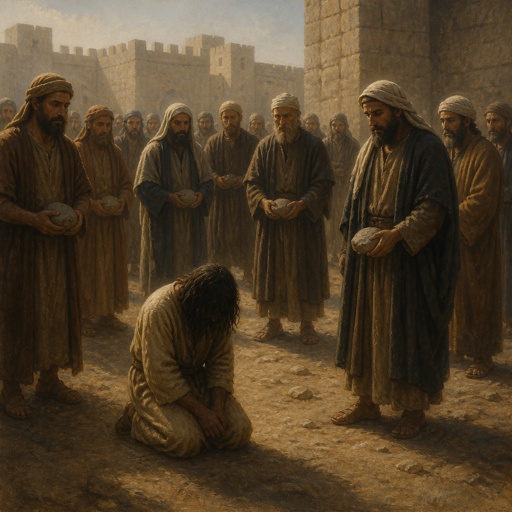
"And all the men of his city shall stone him with stones, that he die: so shalt thou put evil away from among you; and all Israel shall hear, and fear." - Deuteronomy 21:21

Deuteronomy 1.1-21

Deuteronomy 27:21 - "Cursed be he that lieth with any manner of beast. And all the people shall say, Amen."

Deuteronomy 7:21 - "Thou shalt not be affrighted at them: for the LORD thy God is among you, a mighty God and terrible."

Mark 2:1

Revelation 2:1

Deuteronomy 18:21 - "And if thou say in thine heart, How shall we know the word which the LORD hath not spoken?"

Deuteronomy 21:7 - "And they shall answer and say, Our hands have not shed this blood, neither have our eyes seen it."

Lamentations 2:1

Mark 2:1

Lamentations 2:1

Lamentations 2:1

Genesis 2:1

Deuteronomy 21:22 - "¶ And if a man have committed a sin worthy of death, and he be to be put to death, and thou hang him on a tree:"

Deuteronomy 2:21 - "A people great, and many, and tall, as the Anakims; but the LORD destroyed them before them; and they succeeded them, and dwelt in their stead:"

Deuteronomy 21:6 - "And all the elders of that city, that are next unto the slain man, shall wash their hands over the heifer that is beheaded in the valley:"

Matthew 2:1-12

Mark 2:1-12

Matthew 2:1-2

Matthew 2:1-12

Matthew 2:1-12

Deuteronomy 24:21 - "When thou gatherest the grapes of thy vineyard, thou shalt not glean it afterward: it shall be for the stranger, for the fatherless, and for the widow."

Deuteronomy 21:12 - "Then thou shalt bring her home to thine house; and she shall shave her head, and pare her nails;"

Genesis 2:1-2

Matthew 2:1-12

mark 2:1-12

Luke 2:1-20

Habakkuk 2:1-3

Genesis 2:1-2