The Covenant of Kindness: Embracing the Heart of Lending
“Thou shalt stand abroad, and the man to whom thou dost lend shall bring out the pledge abroad unto thee.” — Deuteronomy 24:11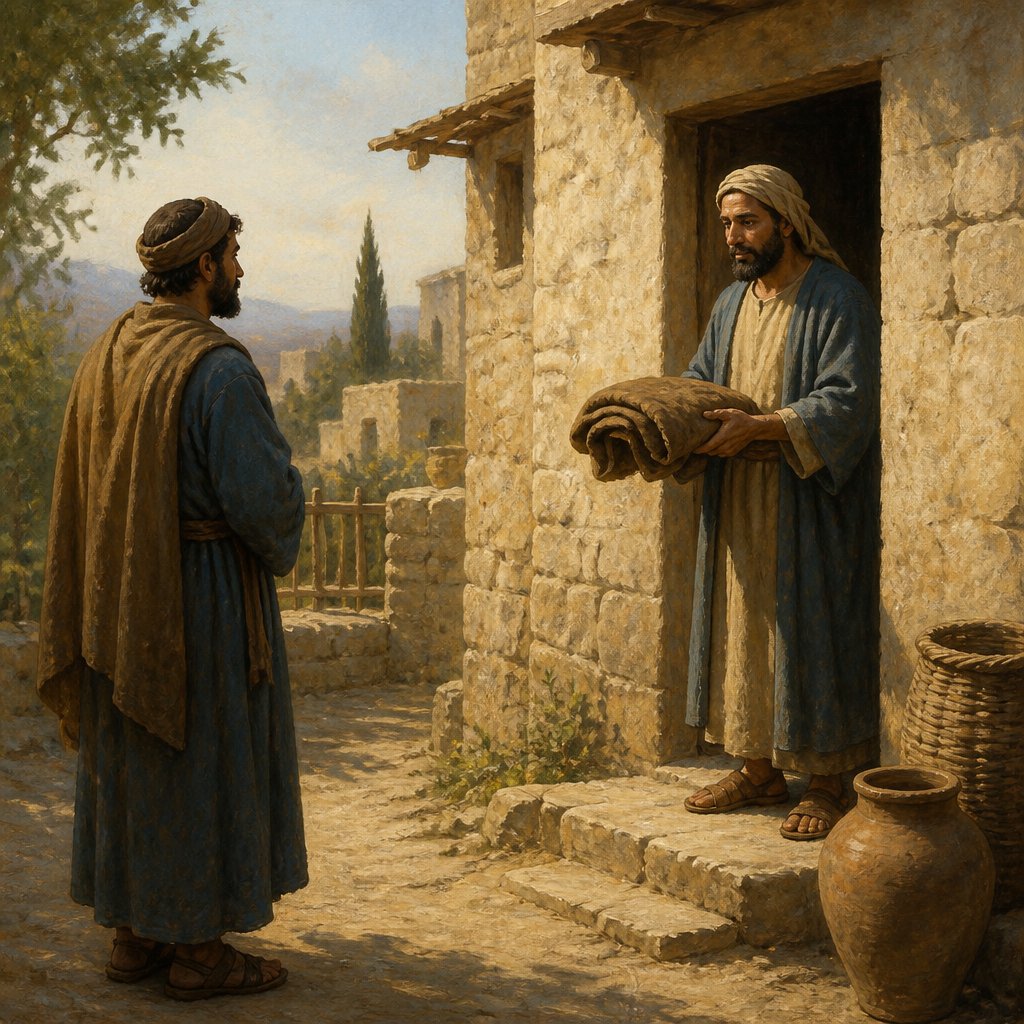
In Deuteronomy 24:11, we find a profound yet often overlooked principle of compassion and integrity: "Thou shalt stand abroad, and the man to whom thou dost lend shall bring out the pledge abroad unto thee." In this verse, the scenario unfolds in the context of lending, where one's integrity and the treatment of others must be held at the forefront of our actions, even during transactions and exchanges. This scripture invites us to explore themes of generosity, legal obligation, humility, and the sacredness of our interpersonal dealings.
To place this verse in its proper context, we consider the broader chapter of Deuteronomy 24, which lays out various laws and ethical guidelines intended to create a society rooted in justice and love. The Israelites were to be distinguished not only by their covenant with God but also by their conduct toward each other. Here, God communicates through Moses the importance of how one treats their neighbor, particularly in financial matters. The pledge mentioned in this verse often referred to a form of collateral—something tangible that could be given in trust until the debt was settled. The act of standing abroad, in this case, implies that the lender must present themselves with dignity, observing the process with a spirit of fairness and sincerity.
To truly grasp the weight of this instruction, we can think about what it means to lend. Lending is often perceived merely as a transaction of money or goods; however, within God’s design, it is transmuted into an opportunity for relationship-building. When a person borrows, they expose their need, and when a person lends, they exercise faith in the other’s capacity to fulfill the promise. As such, the act of lending should be more than just a business agreement but a form of mutual respect, extending care and understanding toward those who may be struggling or in a vulnerable state.
Moreover, the act of requiring a pledge should be viewed through the lens of kindness rather than mere obligation. It does not license us to become tyrants or exploit the needy; instead, it calls us to lend with a heart of compassion. Jesus highlighted this principle throughout His ministry, urging us to "give, and it shall be given unto you" (Luke 6:38). As believers, we are called not only to exemplify fairness in our dealings but to grant grace and patience, especially when it involves handling what may not belong entirely to us—the very essence of generosity.
The imagery of standing abroad signifies visibility and openness. It prompts us to consider our witness to the world when we engage in lending. People are always watching; our actions reflect our faith. Therefore, let us endeavor to lend in such a way that honors God and exemplifies His goodness. Let our transactions be marked by transparency and integrity. For after all, our call as Christians is to continually mirror the generosity that our Savior bestowed upon us when He willingly gave His life as a ransom for many.
As we meditate on this verse, let us also ask ourselves: How am I approaching my interactions with others? Do I carry the spirit of grace into my lending, viewing it as an extension of God’s generosity rather than a mere economic exchange? Perhaps God is asking us to reassess how we display kindness through our resources. Are we willing to lend with an open hand and a willing heart, understanding that every act of generosity is a reflection of the great love we have received through Christ?
In conclusion, the next time we encounter a lending situation, let us recall Deuteronomy 24:11. We are not merely stewards of our possessions but agents of God’s grace. He invites us to manage our resources wisely, extending trust, compassion, and integrity to those who seek help, showcasing what it means to live out the heart of God's covenant with us.
Get our apps


Artwork for Deuteronomy 24:11

Deuteronomy 24:11 - "Thou shalt stand abroad, and the man to whom thou dost lend shall bring out the pledge abroad unto thee."
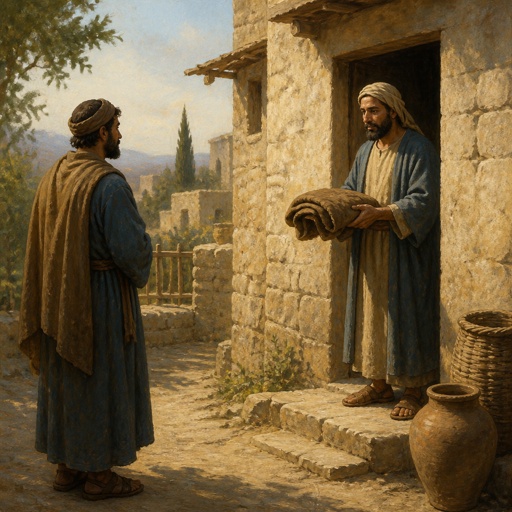
"Thou shalt stand abroad, and the man to whom thou dost lend shall bring out the pledge abroad unto thee." - Deuteronomy 24:11

Deuteronomy 11:24 - "Every place whereon the soles of your feet shall tread shall be your's: from the wilderness and Lebanon, from the river, the river Euphrates, even unto the uttermost sea shall your coast be."

"Every place whereon the soles of your feet shall tread shall be yours: from the wilderness and Lebanon, from the river, the river Euphrates, even unto the uttermost sea shall your coast be." - Deuteronomy 11:24

"Every place whereon the soles of your feet shall tread shall be yours: from the wilderness and Lebanon, from the river, the river Euphrates, even unto the uttermost sea shall your coast be." - Deuteronomy 11:24

Deuteronomy 24:12 - "And if the man be poor, thou shalt not sleep with his pledge:"

Deuteronomy 11:23

James 1:2-4

Mark 2:4

Deuteronomy 4:24 - "For the LORD thy God is a consuming fire, even a jealous God."

Romans 2:4

Deuteronomy 12:24 - "Thou shalt not eat it; thou shalt pour it upon the earth as water."

James 1: 2-4

Deuteronomy 1:24 - "And they turned and went up into the mountain, and came unto the valley of Eshcol, and searched it out."

Deuteronomy 11:11 - "But the land, whither ye go to possess it, is a land of hills and valleys, and drinketh water of the rain of heaven:"

Deuteronomy 9:24 - "Ye have been rebellious against the LORD from the day that I knew you."

Deuteronomy 27:24 - "Cursed be he that smiteth his neighbour secretly. And all the people shall say, Amen."

Create a picture of Deuteronomy 11:20
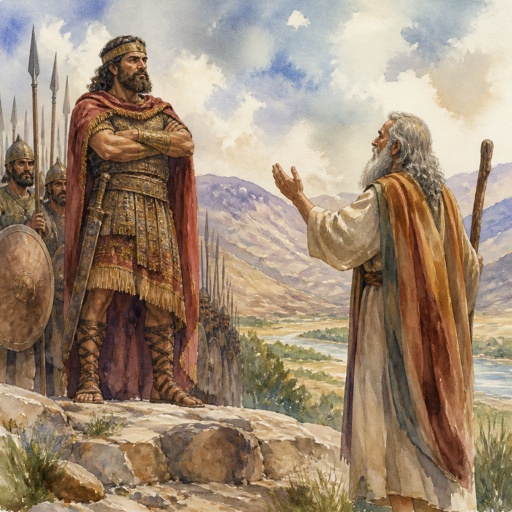
Sihon king of heshbon and Moses in Deuteronomy 2:24-37

Genesis 24-11

James 2:2-4

Deuteronomy 24:17 - "¶ Thou shalt not pervert the judgment of the stranger, nor of the fatherless; nor take a widow's raiment to pledge:"

Deuteronomy 24:6 - "¶ No man shall take the nether or the upper millstone to pledge: for he taketh a man's life to pledge."

Deuteronomy 24:2 - "And when she is departed out of his house, she may go and be another man's wife."

Deuteronomy 14:11 - "¶ Of all clean birds ye shall eat."

Deuteronomy 18:11 - "Or a charmer, or a consulter with familiar spirits, or a wizard, or a necromancer."

Deuteronomy 27:11 - "¶ And Moses charged the people the same day, saying,"
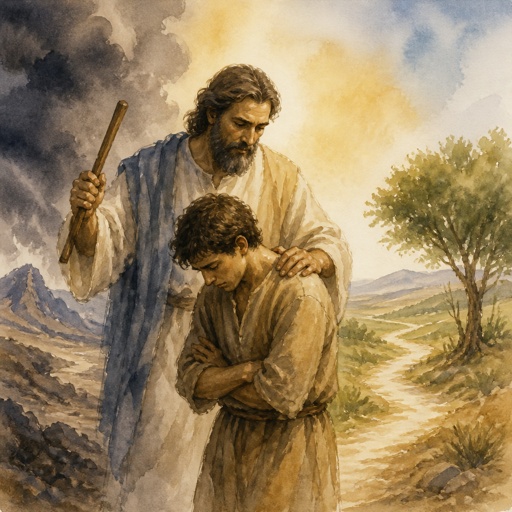
Create a graphic for Deuteronomy 11. God disciplines.
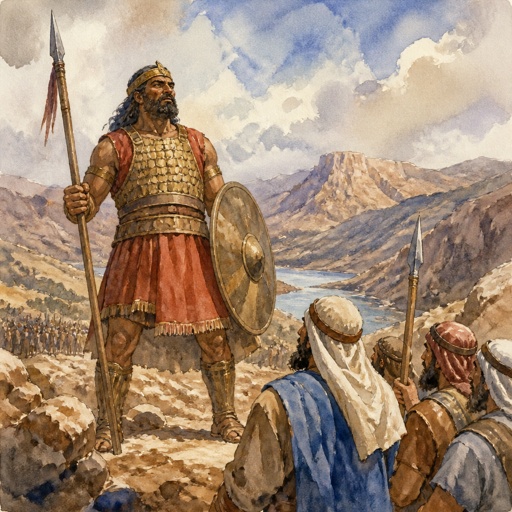
King Og Deuteronomy 3:1-11

Exodus 24:9-11