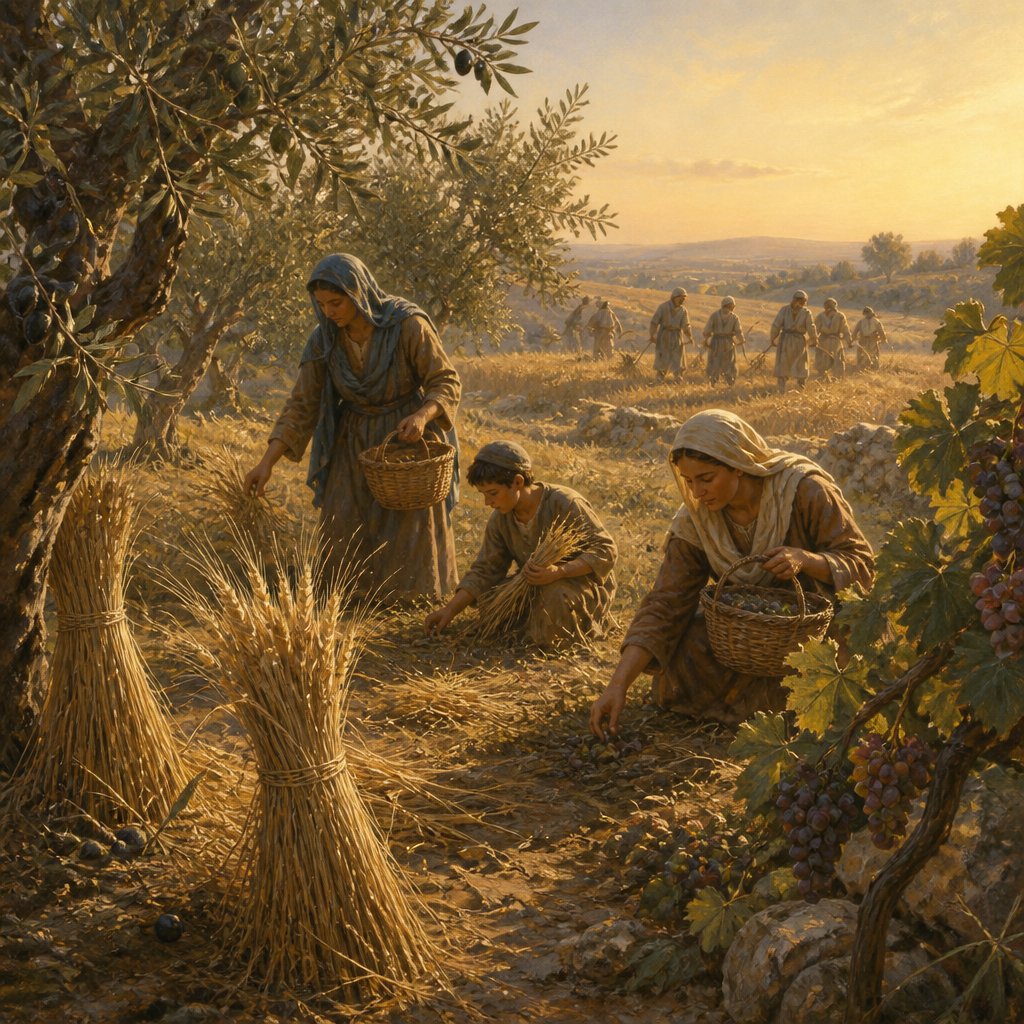
In Deuteronomy 24:19-22, we encounter a divine directive that speaks to the very heart of generosity and compassion. The verses read:
"When thou cuttest down thine harvest in thy field, and hast forgot a sheaf in the field, thou shalt not go again to fetch it: it shall be for the stranger, for the fatherless, and for the widow: that the Lord thy God may bless thee in all the work of thine hands. When thou beatest thine olive tree, thou shalt not go over the boughs again: it shall be for the stranger, for the fatherless, and for the widow. When thou gatherest the grapes of thy vineyard, thou shalt not glean it afterward: it shall be for the stranger, for the fatherless, and for the widow. And thou shalt remember that thou wast a bondman in the land of Egypt: therefore I command thee to do this thing."
This passage invites us to reflect deeply on our relationship with our resources and our responsibilities toward others. At its core, it urges us not only to be mindful of our abundance but also to consider those who are in need. God, in His wisdom, orchestrated a system where the harvest—our diligent labor—would also serve those who were vulnerable in society.
The act of forgetting a sheaf or a cluster of grapes is commonplace; it is an oversight many of us experience in the hustle of life. Yet, in our forgetfulness, God sees an opportunity—not just for the forgotten item to benefit someone else but for our hearts to grow in grace and compassion. How many times do we overlook the needs of those around us when we are busy harvesting our own blessings? Are we collecting and hoarding our resources, or are we willing to leave something for others who must rely on the kindness of strangers?
By commanding His people to leave gleanings for the outsider, the orphan, and the widow, God is instilling in us the understanding that our success does not diminish when we help others. In fact, it amplifies our blessings. "That the Lord thy God may bless thee in all the work of thine hands" is not merely a condition for receiving God’s blessings; it is a reflection of the heart He desires for us—a heart that mirrors His own.
The instruction also comes with an acute memory of the past—"And thou shalt remember that thou wast a bondman in the land of Egypt." This connection to their history is crucial. The Israelites are reminded of their own vulnerability, their own past suffering, when they were in bondage. This recollection is meant to cultivate empathy. When we consider how God has redeemed us, delivered us, and provided for us, we ought to desire the same for others.
In our lives, it can be easy to forget the poor and marginalized when we become consumed with our own triumphs or until we find ourselves in a position of affluence. Yet, God calls us to remember our roots and the grace that has brought us thus far. There is powerful accountability in remembering where we came from—it cultivates humility and gratitude that translates into action.
In practical terms, how can we apply this passage today? Are there areas in our lives where we can 'leave some gleanings'? This could be financial contributions to charity, sharing time with those who are less fortunate, mentorship, or even simply an act of kindness. This call to generosity goes beyond mere obligation; it is an invitation to join in God’s restorative work in the lives of others.
As we meditate on Deuteronomy 24:19-22, let us open our hearts to those around us. Let’s examine our lives for opportunities to bless, to uplift, and to remember. May we always live with an awareness that our harvests are not solely for our gain but ultimately an opportunity to reflect God’s abundant grace to a world in need.
Get our apps


Artwork for Deuteronomy 24:19-22
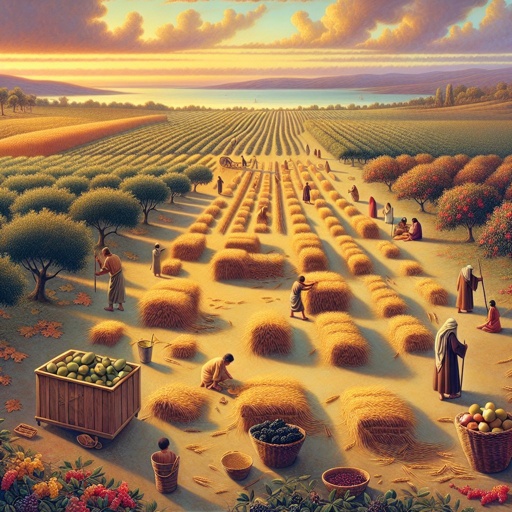
Deuteronomy 24:19-22 - "When you are harvesting in your field and you overlook a sheaf, do not go back to get it. Leave it for the foreigner, the fatherless and the widow, so that the Lord your God may bless you in all the work of your hands. When you beat the olives from your trees, do not go over the branches a second time. Leave what remains for the foreigner, the fatherless and the widow. When you harvest the grapes in your vineyard, do not go over the vines again. Leave what remains for the foreigner, the fatherless and the widow. Remember that you were slaves in Egypt. That is why I command you to do this."
"When you are harvesting in your field and you overlook a sheaf, do not go back to get it. Leave it for the foreigner, the fatherless and the widow, so that the Lord your God may bless you in all the work of your hands. When you beat the olives from your trees, do not go over the branches a second time. Leave what remains for the foreigner, the fatherless and the widow. When you harvest the grapes in your vineyard, do not go over the vines again. Leave what remains for the foreigner, the fatherless and the widow. Remember that you were slaves in Egypt. That is why I command you to do this." - Deuteronomy 24:19-22

Deuteronomy 24:22 - "And thou shalt remember that thou wast a bondman in the land of Egypt: therefore I command thee to do this thing."

James 2:2-4
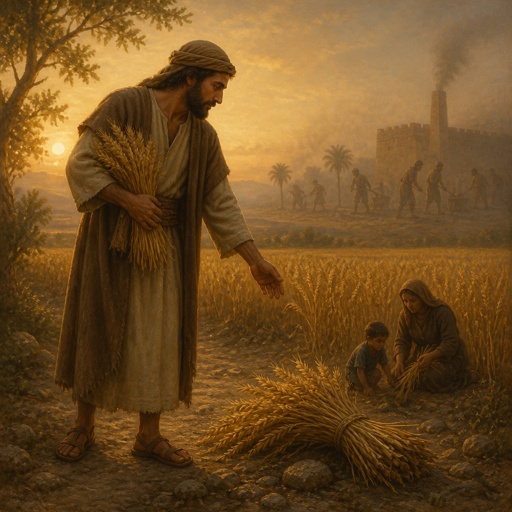
"And thou shalt remember that thou wast a bondman in the land of Egypt: therefore I command thee to do this thing." - Deuteronomy 24:22
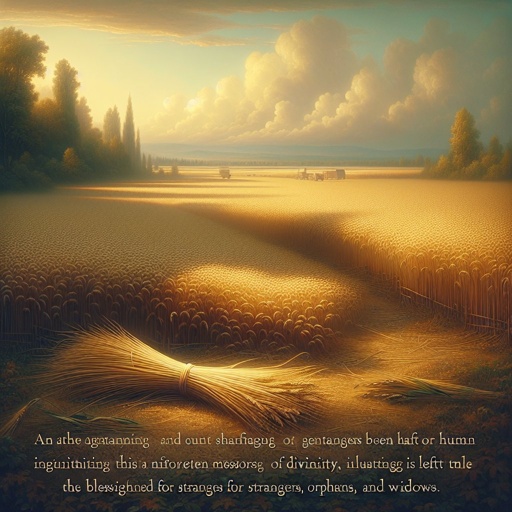
Deuteronomy 24:19 - "¶ When thou cuttest down thine harvest in thy field, and hast forgot a sheaf in the field, thou shalt not go again to fetch it: it shall be for the stranger, for the fatherless, and for the widow: that the LORD thy God may bless thee in all the work of thine hands."

Deuteronomy 22:19 - "And they shall amerce him in an hundred shekels of silver, and give them unto the father of the damsel, because he hath brought up an evil name upon a virgin of Israel: and she shall be his wife; he may not put her away all his days."

Deuteronomy 30:19:
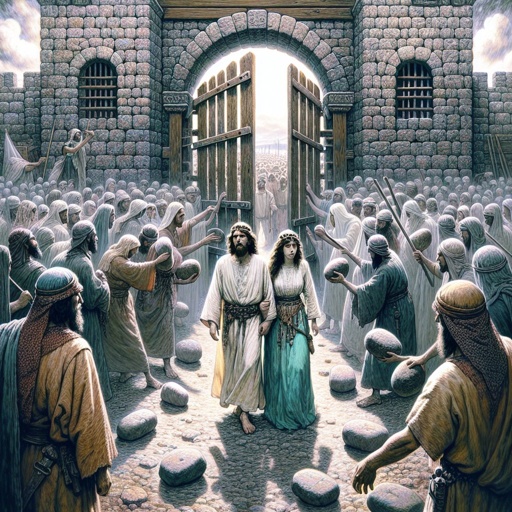
Deuteronomy 22:24 - "Then ye shall bring them both out unto the gate of that city, and ye shall stone them with stones that they die; the damsel, because she cried not, being in the city; and the man, because he hath humbled his neighbour's wife: so thou shalt put away evil from among you."

Deuteronomy 5:19 - "Neither shalt thou steal."

Genesis 24-22

Genesis 22-24

Deuteronomy 24:12 - "And if the man be poor, thou shalt not sleep with his pledge:"

Genesis 24-19

Genesis 19-24

Genesis 19:24

Deuteronomy 22:20 - "But if this thing be true, and the tokens of virginity be not found for the damsel:"

Deuteronomy 22:10 - "¶ Thou shalt not plow with an ox and an ass together."

Deuteronomy 4:24 - "For the LORD thy God is a consuming fire, even a jealous God."

Deuteronomy 12:24 - "Thou shalt not eat it; thou shalt pour it upon the earth as water."

Deuteronomy 22:18 - "And the elders of that city shall take that man and chastise him;"

Deuteronomy 23:22 - "But if thou shalt forbear to vow, it shall be no sin in thee."

Genesis 22:19

Jude 9:22-24

2 Samuel 24:22

2 Samuel 24:22

2 Samuel 24:22

Genesis 3:22-24

Genesis 19-22

Deuteronomy 9:22 - "And at Taberah, and at Massah, and at Kibroth-hattaavah, ye provoked the LORD to wrath."