The Grace of New Beginnings: A Reflection on Deuteronomy 24:2
“And when she is departed out of his house, she may go and be another man’s wife.” — Deuteronomy 24:2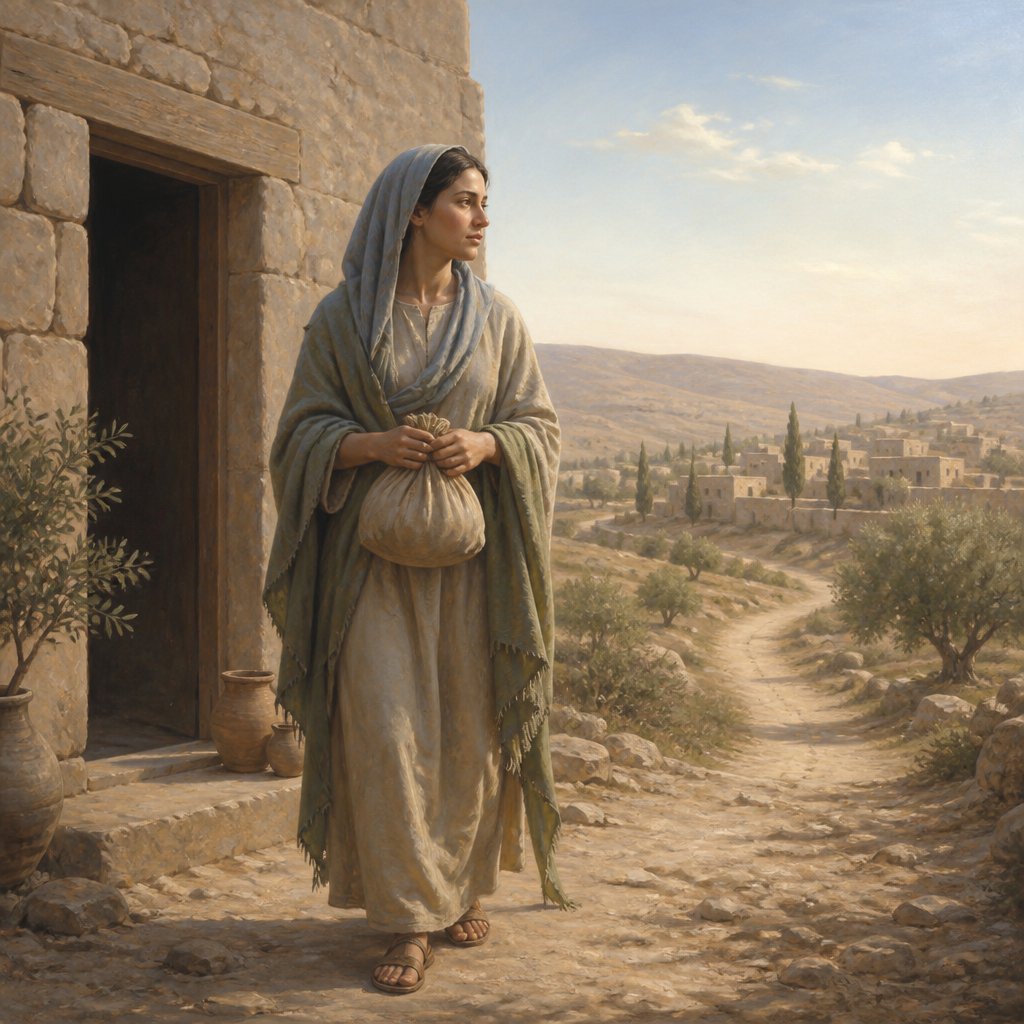
As we journey through life, we encounter moments of separation, disappointment, and loss. Deuteronomy 24:2 states, "And when she is departed out of his house, she may go and be another man's wife." On the surface, this verse appears to speak to the issues of marriage, divorce, and the rights of women in a patriarchal society, but as we delve deeper, we can extract profound truths about grace, renewal, and the biblical perspective of love.
In the historical context of Israel, this verse illustrates the regulations surrounding divorce. In a society where a woman’s worth was often tied to her marital status, the ability to remarry represented a significant act of mercy and restoration. A woman who had been cast out was not condemned to a life of loneliness or shame; instead, she was permitted to step forward into a new chapter of life. Her departure from one house did not mark the end of her story but rather opened the door to new beginnings.
In our lives, we too can find ourselves in seasons of departure. Whether from a broken relationship, a lost job, a spiritual drought, or even a previous version of ourselves, there are times when circumstances compel us to leave behind what is familiar. The beauty of this verse conveys a critical message: second chances are woven into the fabric of God’s grace. Just as the woman was free to remarry, we are reminded that God allows us to redefine our lives beyond our past decisions.
From a theological perspective, this text becomes even richer when viewed through the lens of God’s redeeming love. Life is not a stagnant line but a series of journeys, each with the potential for transformation. The departure signifies not just an end but an opportunity for renewed hope. Isaiah 43:19 reinforces this truth, as God declares, "Behold, I will do a new thing; now it shall spring forth; shall ye not know it?" God delights in offering us new beginnings, even when we think our past mistakes limit our futures.
In our walk with Christ, we often encounter feelings of unworthiness after we have sinned. Just as the woman after her departure was given permission to build a new future, we too are invited to step forth in faith. The Gospel shows us that through Christ, our past does not define us. Romans 8:1 states, "There is therefore now no condemnation to them which are in Christ Jesus." This truth grants us the liberty to shed our past and embrace the future God has for us, complete with hopes and promises anew.
Moreover, we reflect on the character of God. Just as this Old Testament law showcases a level of mercy and compassion, the entire Bible tells a beautiful narrative of God’s desire for restoration. From the prodigal son to the woman at the well, we see examples of individuals who are afforded grace to move on from their pasts, illustrating that God’s love is often more profound than our failures.
In practical terms, how can we apply the essence of this verse to our lives? First, we must acknowledge our feelings of separation—whether they come from a failed relationship, failure to meet own goals, or any other loss. We then need to embrace the idea that it's not the end of our story. Like the woman in Deuteronomy, we have the permission to step away from what no longer serves us, whether that is a mindset, behavior, or an unhealthy relationship.
Finally, we are called to trust in God's plan for our lives. Each departure is an opportunity to lean deeper into faith, allowing God to take our brokenness and weave it into a tapestry of grace. Let us learn to approach new beginnings with expectation, believing that God is able to turn our ashes into beauty.
So, as we reflect on Deuteronomy 24:2, let us rejoice in the God of second chances—a God who invites us to leave behind our brokenness and step boldly into the beauty of new beginnings.
Get our apps


Artwork for Deuteronomy 24:2

Deuteronomy 24:2 - "And when she is departed out of his house, she may go and be another man's wife."
"And when she is departed out of his house, she may go and be another man's wife." - Deuteronomy 24:2
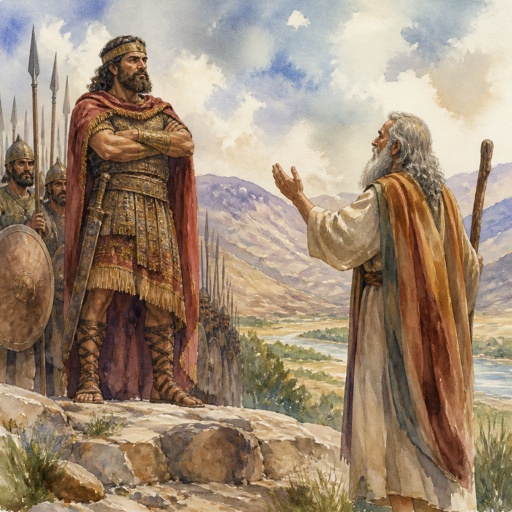
Sihon king of heshbon and Moses in Deuteronomy 2:24-37

Deuteronomy 2:24 - "¶ Rise ye up, take your journey, and pass over the river Arnon: behold, I have given into thine hand Sihon the Amorite, king of Heshbon, and his land: begin to possess it, and contend with him in battle."

Deuteronomy 24:12 - "And if the man be poor, thou shalt not sleep with his pledge:"

Deuteronomy 4:24 - "For the LORD thy God is a consuming fire, even a jealous God."

Deuteronomy 12:24 - "Thou shalt not eat it; thou shalt pour it upon the earth as water."

Deuteronomy 1:24 - "And they turned and went up into the mountain, and came unto the valley of Eshcol, and searched it out."

Deuteronomy 9:24 - "Ye have been rebellious against the LORD from the day that I knew you."

Deuteronomy 27:24 - "Cursed be he that smiteth his neighbour secretly. And all the people shall say, Amen."

Deuteronomy 24:17 - "¶ Thou shalt not pervert the judgment of the stranger, nor of the fatherless; nor take a widow's raiment to pledge:"

Deuteronomy 24:6 - "¶ No man shall take the nether or the upper millstone to pledge: for he taketh a man's life to pledge."

Deuteronomy 24:21 - "When thou gatherest the grapes of thy vineyard, thou shalt not glean it afterward: it shall be for the stranger, for the fatherless, and for the widow."

Deuteronomy 24:22 - "And thou shalt remember that thou wast a bondman in the land of Egypt: therefore I command thee to do this thing."

Deuteronomy 31:24 - "¶ And it came to pass, when Moses had made an end of writing the words of this law in a book, until they were finished,"

Deuteronomy 24:9 - "Remember what the LORD thy God did unto Miriam by the way, after that ye were come forth out of Egypt."

Deuteronomy 24:11 - "Thou shalt stand abroad, and the man to whom thou dost lend shall bring out the pledge abroad unto thee."

Deuteronomy 24:10 - "¶ When thou dost lend thy brother any thing, thou shalt not go into his house to fetch his pledge."

Deuteronomy 24:20 - "When thou beatest thine olive tree, thou shalt not go over the boughs again: it shall be for the stranger, for the fatherless, and for the widow."

"And if the man be poor, thou shalt not sleep with his pledge:" - Deuteronomy 24:12

Deuteronomy 2:2 - "And the LORD spake unto me, saying,"

Deuteronomy 29:24 - "Even all nations shall say, Wherefore hath the LORD done thus unto this land? what meaneth the heat of this great anger?"

Deuteronomy 33:24 - "¶ And of Asher he said, Let Asher be blessed with children; let him be acceptable to his brethren, and let him dip his foot in oil."

Deuteronomy 24:14 - "¶ Thou shalt not oppress an hired servant that is poor and needy, whether he be of thy brethren, or of thy strangers that are in thy land within thy gates:"

Deuteronomy 28:24 - "The LORD shall make the rain of thy land powder and dust: from heaven shall it come down upon thee, until thou be destroyed."

"For the LORD thy God is a consuming fire, even a jealous God." - Deuteronomy 4:24

Deuteronomy 6:24 - "And the LORD commanded us to do all these statutes, to fear the LORD our God, for our good always, that he might preserve us alive, as it is at this day."

Deuteronomy 24:16 - "The fathers shall not be put to death for the children, neither shall the children be put to death for the fathers: every man shall be put to death for his own sin."

Deuteronomy 24:18 - "But thou shalt remember that thou wast a bondman in Egypt, and the LORD thy God redeemed thee thence: therefore I command thee to do this thing."

"Thou shalt not eat it; thou shalt pour it upon the earth as water." - Deuteronomy 12:24