The Sacredness of Life: Understanding Deuteronomy 24:6
“No man shall take the nether or the upper millstone to pledge: for he taketh a man’s life to pledge.” — Deuteronomy 24:6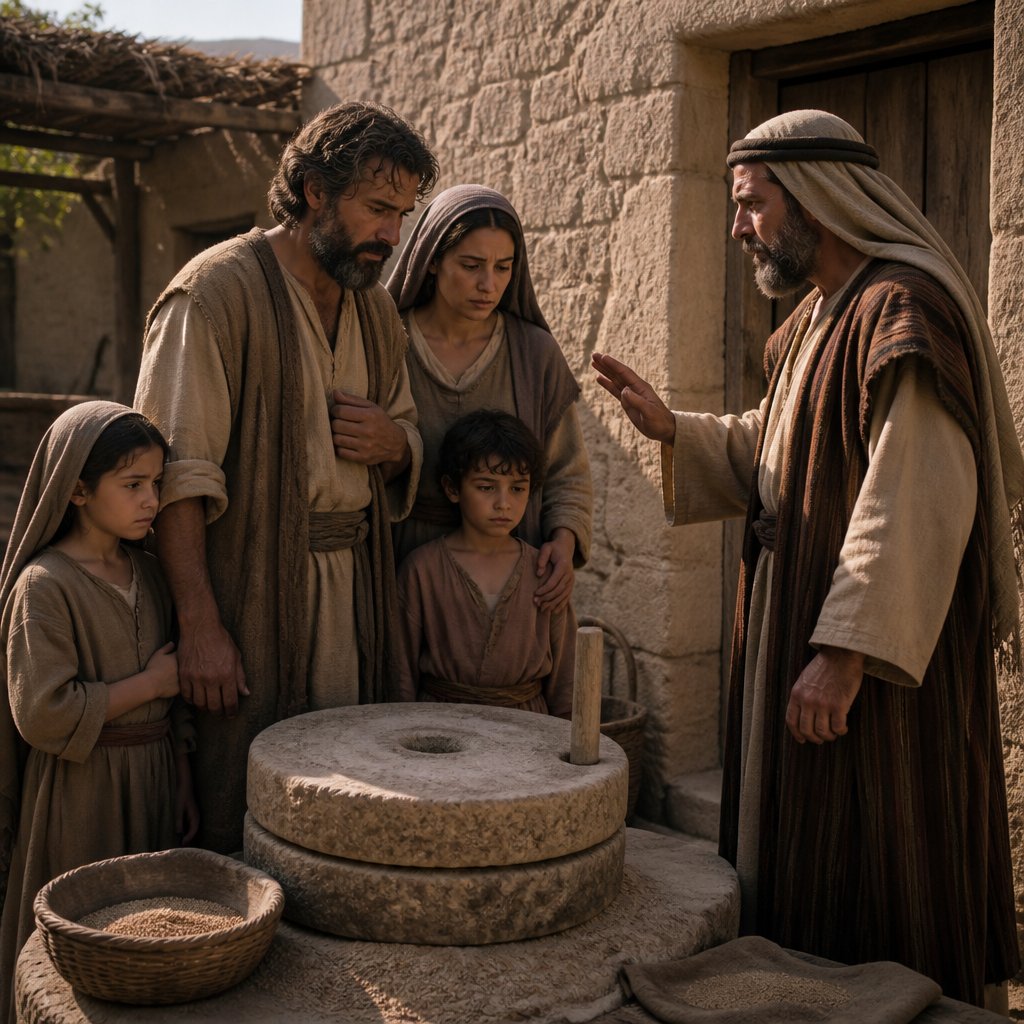
Deuteronomy 24:6 states, "No man shall take the nether or the upper millstone to pledge: for he taketh a man's life to pledge." At first glance, this commandment may seem like a mere legalistic detail regarding collateral; however, when examined in depth, it offers profound insights into the sacredness of life and the importance of justice, mercy, and integrity within our society.
In ancient Israel, the millstone was an essential tool used to grind grain into flour, a staple for survival and sustenance. The upper and lower millstone worked in tandem to produce what the people needed for their daily bread. Thus, when God instructs that these tools should not be used as a pledge, He highlights the importance of every individual’s ability to provide for themselves and their family. To take a millstone in pledge would not only hinder a man's ability to earn a living but would also strip him of his dignity and hope. It’s as if God is saying, "Do not take away that which sustains life."
This teaching resonates deeply with the overarching biblical theme that life is sacred. It echoes through the scriptures, reminding us that our actions towards others should reflect respect for their lives and well-being. In a world where societal and economic pressures often push individuals to the brink, we must heed this command not just from a historical perspective but as a contemporary challenge to practice integrity and compassion.
To take a millstone as a pledge is fundamentally to disregard the humanity in the other person, prioritizing our transactions over their very existence. It compels us to reflect on how we conduct our lives today. Are we ever guilty of reducing people to mere figures in a ledger? Are we fully aware of how our decisions can impact the lives of those around us?
Consider the implications of this verse in the context of relationships and our obligations to each other. In the New Testament, we see a deepening of this principle through the teachings of Jesus, who reminds us that the greatest commandment is to love our neighbors as ourselves. This love should manifest itself in how we treat one another, ensuring that our actions uphold the dignity and value of every individual.
Moreover, God’s prohibition against taking a millstone as a pledge leads us also to think about mercy. In the context of the ancient world, economic hardship could easily lead to the loss of personal freedom and dignity; lending practices could leave a person destitute. By prohibiting the pledge of a millstone, God provides a safeguard against exploitation. It encourages a form of community ethics where the welfare of the individual is held above mere transactional benefits. We are called not only to act justly but to exhibit mercy and love in tangible ways that foster community resilience.
In our daily lives today, how do we live out this divine principle? It may look like providing for those in need without expecting repayment or investing our resources to uplift those who are marginalized. It requires us to look beyond our immediate interests and find ways to ensure that the foundational needs of others are met.
In conclusion, Deuteronomy 24:6 serves as a weighty reminder of our responsibility towards one another—a reminder that each person embodies life, and that life, in God’s eyes, is invaluable. It is an exhortation to elevate our dispute resolution practices, our lending behaviors, and our engagement with the vulnerable. As believers, we must strive to act justly, love mercy, and walk humbly with our God, recognizing that in every interaction, we have the opportunity to uplift the lives entrusted to us. Let us reflect on how we, too, can avoid taking the ‘millstones’ of others and instead support their journeys with compassion and encouragement.
Get our apps


Artwork for Deuteronomy 24:6

Deuteronomy 24:6 - "¶ No man shall take the nether or the upper millstone to pledge: for he taketh a man's life to pledge."
"¶ No man shall take the nether or the upper millstone to pledge: for he taketh a man's life to pledge." - Deuteronomy 24:6

Deuteronomy 6:24 - "And the LORD commanded us to do all these statutes, to fear the LORD our God, for our good always, that he might preserve us alive, as it is at this day."

Deuteronomy 24:12 - "And if the man be poor, thou shalt not sleep with his pledge:"

Deuteronomy 4:24 - "For the LORD thy God is a consuming fire, even a jealous God."

Deuteronomy 12:24 - "Thou shalt not eat it; thou shalt pour it upon the earth as water."

Deuteronomy 6:6 - "And these words, which I command thee this day, shall be in thine heart:"

Deuteronomy 1:24 - "And they turned and went up into the mountain, and came unto the valley of Eshcol, and searched it out."

Deuteronomy 9:24 - "Ye have been rebellious against the LORD from the day that I knew you."

Deuteronomy 27:24 - "Cursed be he that smiteth his neighbour secretly. And all the people shall say, Amen."

Deuteronomy 34:5-6
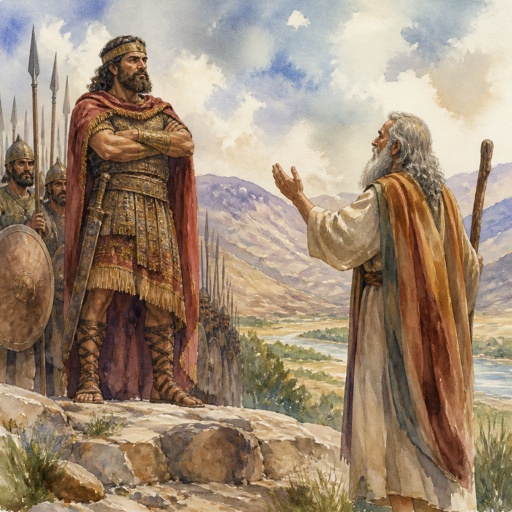
Sihon king of heshbon and Moses in Deuteronomy 2:24-37

Deuteronomy 24:17 - "¶ Thou shalt not pervert the judgment of the stranger, nor of the fatherless; nor take a widow's raiment to pledge:"

Deuteronomy 24:2 - "And when she is departed out of his house, she may go and be another man's wife."
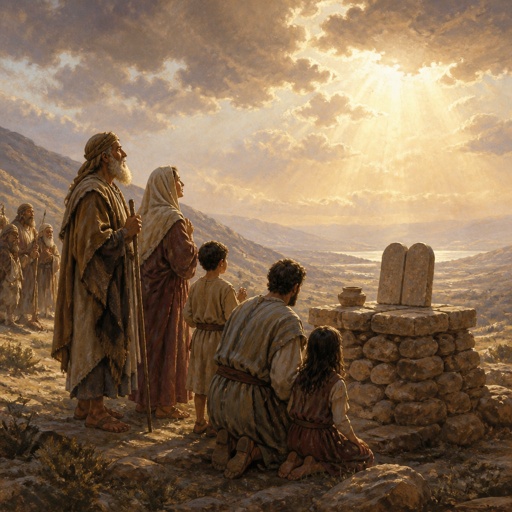
"And the LORD commanded us to do all these statutes, to fear the LORD our God, for our good always, that he might preserve us alive, as it is at this day." - Deuteronomy 6:24

Matthew 6:24

Matthew 6:24

Matthew 6:24

Matthew 6:24

Genesis 24-6

Deuteronomy 24:21 - "When thou gatherest the grapes of thy vineyard, thou shalt not glean it afterward: it shall be for the stranger, for the fatherless, and for the widow."

Deuteronomy 24:22 - "And thou shalt remember that thou wast a bondman in the land of Egypt: therefore I command thee to do this thing."

Deuteronomy 31:24 - "¶ And it came to pass, when Moses had made an end of writing the words of this law in a book, until they were finished,"

Deuteronomy 6:4 - "Hear, O Israel: The LORD our God is one LORD:"

2 kings 6:24

Deuteronomy 24:9 - "Remember what the LORD thy God did unto Miriam by the way, after that ye were come forth out of Egypt."

Deuteronomy 24:11 - "Thou shalt stand abroad, and the man to whom thou dost lend shall bring out the pledge abroad unto thee."

Deuteronomy 24:10 - "¶ When thou dost lend thy brother any thing, thou shalt not go into his house to fetch his pledge."

Deuteronomy 24:20 - "When thou beatest thine olive tree, thou shalt not go over the boughs again: it shall be for the stranger, for the fatherless, and for the widow."

Deuteronomy 33:6 - "¶ Let Reuben live, and not die; and let not his men be few."