Judgment, Justice, and Our Higher Calling
“If there be a controversy between men, and they come unto judgment, that the judges may judge them; then they shall justify the righteous, and condemn the wicked.” — Deuteronomy 25:1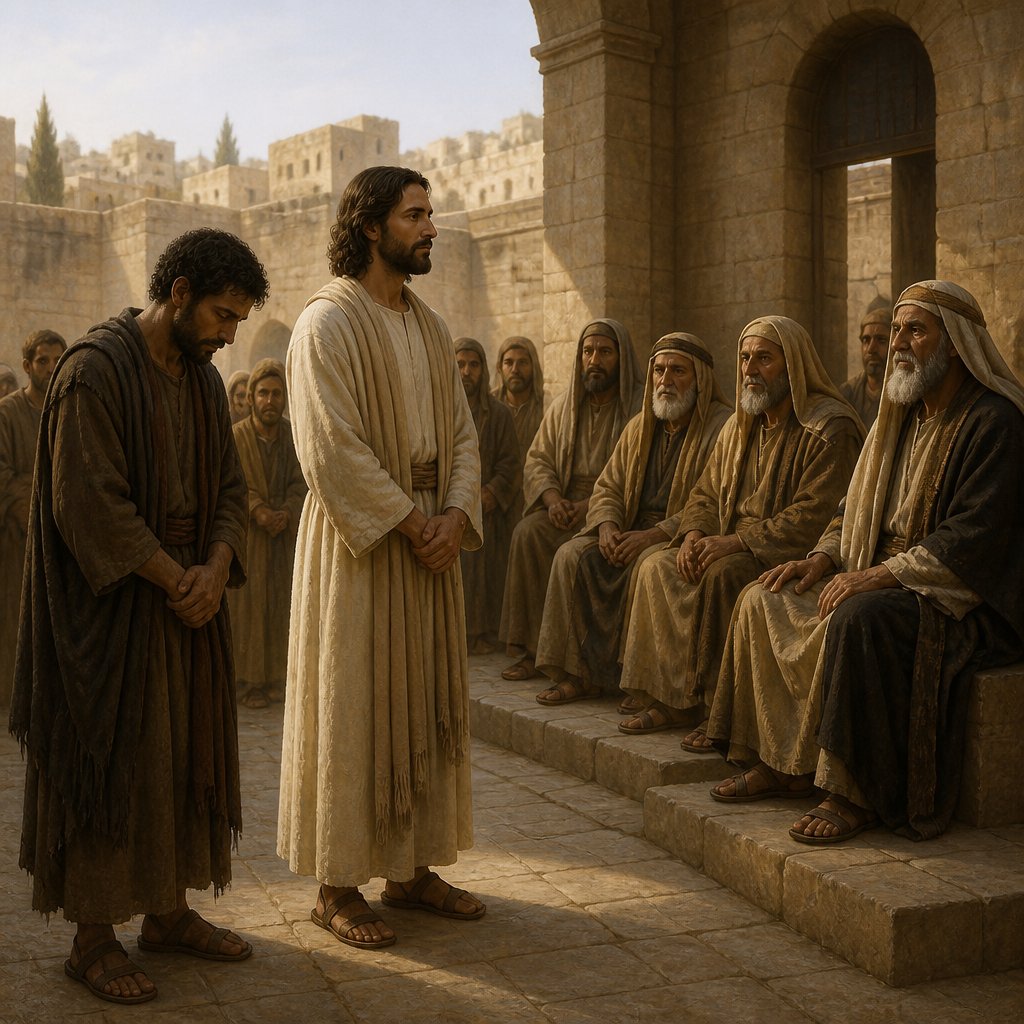
Deuteronomy 25:1 states, "If there be a controversy between men, and they come unto judgment, that the judges may judge them; then they shall justify the righteous, and condemn the wicked." This verse, nestled within the Mosaic laws, encapsulates profound truths about justice, morality, and the human condition. In a world so often fraught with disputes and disagreements, we find in this scripture a timeless reminder of the importance of righteousness and the role of judgment.
At first glance, the verse may seem simple, yet it unveils a complex framework of societal ethics and divine righteousness. The call to "justify the righteous and condemn the wicked" is not merely a directive for judges in ancient times; it is an exhortation for all of us to strive toward justice in our interactions and decisions. True justice, as outlined in this scripture, is rooted in a clear discernment of right and wrong—a discernment that is often obscured by bias, preconceived notions, and the human tendency to favor what serves our own interests.
What does it mean to be righteous and to justify the righteous? Righteousness cannot solely be understood as adherence to rules or laws, but rather as a deep alignment with God's will. The Hebrew concept of righteousness (tzedeq) speaks not only to personal morality but also to social justice and fairness. When we pursue righteousness, we are essentially seeking to understand God's heart—the heart that desires mercy, kindness, and justice not just for ourselves but for all humanity.
In contrast, to "condemn the wicked" involves more than merely pronouncing judgment; it requires us to articulate and embody the principles of justice and morality that reflect God’s character. Wickedness, in this light, is not limited to criminal acts or societal vices; it is a state of the heart that prioritizes selfishness over the well-being of others. Therefore, condemnation is not just a punitive measure but a redirection—encouraging change that can lead the wicked toward repentance and restoration.
This theme of divine justice flows throughout the Old Testament, echoed in the Psalms and the prophetic writings. God’s consistent call for justice is evidenced in verses such as Psalm 82:3-4, which states, "Defend the poor and fatherless: do justice to the afflicted and needy. Deliver the poor and needy: rid them out of the hand of the wicked." Here we see that justice is actively engaged; it is not passive, but dynamic, calling us to involve ourselves in the cause of those who are mistreated and oppressed.
In our contemporary context, where divisions and controversies are often magnified, we are urged to reflect on how we engage in judgment. It is tempting to rally behind an opinion, to stand on one side of conflict without considering the full picture. However, Deuteronomy 25:1 urges us to step into the role of advocates for justice with humility and compassion, seeking not only to justify our own views but to champion the cause of those who suffer injustice.
Moreover, this verse invites introspection. Before we rush to judge others, we must first examine our own hearts. The call to righteousness begins with personal accountability. In Matthew 7:5, Jesus challenges us, saying, "Thou hypocrite, first cast out the beam out of thine own eye; and then shalt thou see clearly to cast out the mote out of thy brother's eye." We must be diligent to align our hearts with God’s will, ensuring that we are not blinded by our biases.
As we meditate on this scripture, let us commit ourselves to be agents of justice in our communities. Let it prompt us to seek righteousness in our decisions, and to nurture lives that reflect God's character. Every interaction is an opportunity for us to embody His truth, reject wickedness, and pursue justice in a manner that honors Him. May we allow God to guide us, that we may further His kingdom values in all aspects of our lives.
Get our apps


Artwork for Deuteronomy 25:1

Deuteronomy 25:1 - "If there be a controversy between men, and they come unto judgment, that the judges may judge them; then they shall justify the righteous, and condemn the wicked."
"If there be a controversy between men, and they come unto judgment, that the judges may judge them; then they shall justify the righteous, and condemn the wicked." - Deuteronomy 25:1

Deuteronomy 1:25 - "And they took of the fruit of the land in their hands, and brought it down unto us, and brought us word again, and said, It is a good land which the LORD our God doth give us."

Deuteronomy 25:13 - "¶ Thou shalt not have in thy bag divers weights, a great and a small."

Deuteronomy 25:4 - "¶ Thou shalt not muzzle the ox when he treadeth out the corn."

Deuteronomy 31:25 - "That Moses commanded the Levites, which bare the ark of the covenant of the LORD, saying,"

Deuteronomy 25:14 - "Thou shalt not have in thine house divers measures, a great and a small."

Deuteronomy 33:25 - "Thy shoes shall be iron and brass; and as thy days, so shall thy strength be."

Deuteronomy 25:10 - "And his name shall be called in Israel, The house of him that hath his shoe loosed."

Deuteronomy 25:16 - "For all that do such things, and all that do unrighteously, are an abomination unto the LORD thy God."

Deuteronomy 27:25 - "Cursed be he that taketh reward to slay an innocent person. And all the people shall say, Amen."

Deuteronomy 25:17 - "¶ Remember what Amalek did unto thee by the way, when ye were come forth out of Egypt;"

Deuteronomy 3:25 - "I pray thee, let me go over, and see the good land that is beyond Jordan, that goodly mountain, and Lebanon."

Deuteronomy 32:25 - "The sword without, and terror within, shall destroy both the young man and the virgin, the suckling also with the man of gray hairs."

Deuteronomy 25:8 - "Then the elders of his city shall call him, and speak unto him: and if he stand to it, and say, I like not to take her;"

Deuteronomy 22:25 - "¶ But if a man find a betrothed damsel in the field, and the man force her, and lie with her: then the man only that lay with her shall die:"

Deuteronomy 6:25 - "And it shall be our righteousness, if we observe to do all these commandments before the LORD our God, as he hath commanded us."

Deuteronomy 25:6 - "And it shall be, that the firstborn which she beareth shall succeed in the name of his brother which is dead, that his name be not put out of Israel."

Deuteronomy 12:25 - "Thou shalt not eat it; that it may go well with thee, and with thy children after thee, when thou shalt do that which is right in the sight of the LORD."

Deuteronomy 14:25 - "Then shalt thou turn it into money, and bind up the money in thine hand, and shalt go unto the place which the LORD thy God shall choose:"
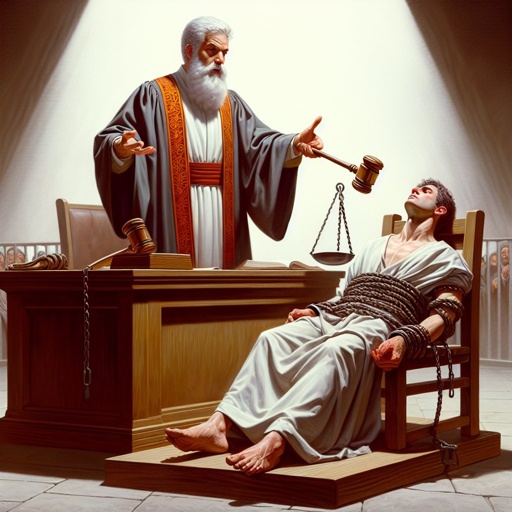
Deuteronomy 25:2 - "And it shall be, if the wicked man be worthy to be beaten, that the judge shall cause him to lie down, and to be beaten before his face, according to his fault, by a certain number."
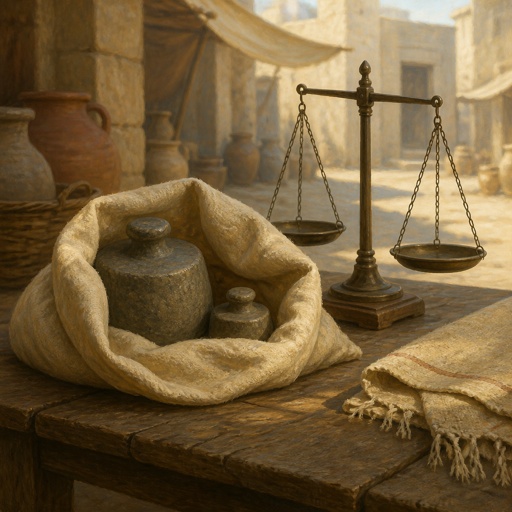
"¶ Thou shalt not have in thy bag divers weights, a great and a small." - Deuteronomy 25:13

Genesis 1:1-25

Genesis 1:1-25

Genesis 1:1-25

"¶ Thou shalt not muzzle the ox when he treadeth out the corn." - Deuteronomy 25:4

"That Moses commanded the Levites, which bare the ark of the covenant of the LORD, saying," - Deuteronomy 31:25
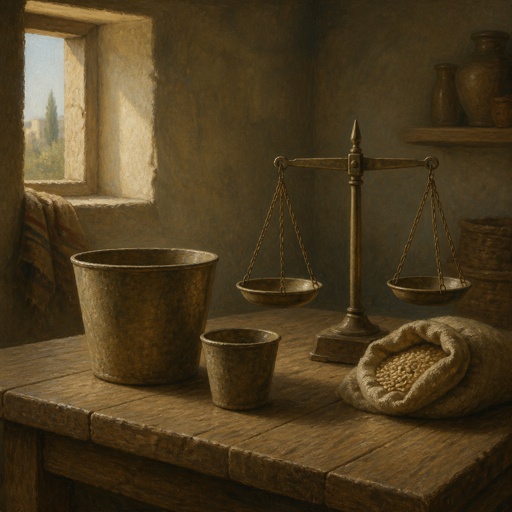
"Thou shalt not have in thine house divers measures, a great and a small." - Deuteronomy 25:14

Deuteronomy 5:25 - "Now therefore why should we die? for this great fire will consume us: if we hear the voice of the LORD our God any more, then we shall die."

Deuteronomy 25:18 - "How he met thee by the way, and smote the hindmost of thee, even all that were feeble behind thee, when thou wast faint and weary; and he feared not God."