The Call to Remember: Lessons from Amalek
"¶ Remember what Amalek did unto thee by the way, when ye were come forth out of Egypt;" - Deuteronomy 25:17
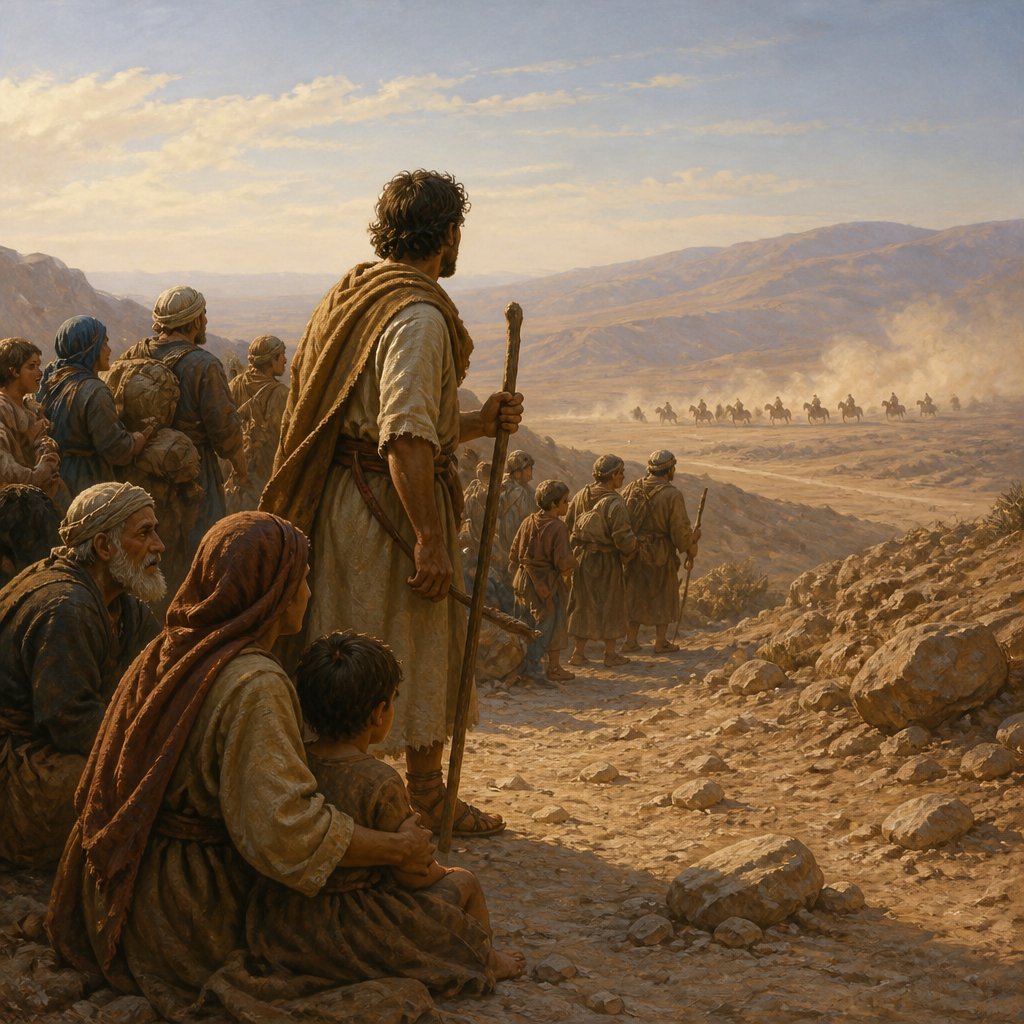
In the book of Deuteronomy, chapter 25, verse 17, we are reminded with a sense of urgency and solemnity: "Remember what Amalek did unto thee by the way, when ye were come forth out of Egypt." This verse echoes through the ages, calling us to the profound significance of remembering not just historical events, but the lessons they teach us.
To understand the weight of this command, we must look back to the circumstances surrounding the Israelites as they left the oppression of Egypt. They were fleeing towards freedom, guided by the hand of God, yet even in their vulnerability, they faced an ambush from Amalek. The Amalekites attacked the stragglers, the weak, and the weary, illustrating a profound malice that sought to exploit the Israelites at their most vulnerable moment.
In many ways, this historical account resonates deeply with the human condition. Just as the Israelites experienced hardship and persecution, we too face trials in our walk with God. There are times when we feel most exposed, spiraling with doubts and fears. It is during these moments, as we emerge from our past 'Egypts'—be it in sin, trauma, or bondage—that we may encounter the 'Amaleks' in our lives, seeking to undermine our progress and faith.
God’s instruction to remember the actions of Amalek is a pivotal lesson on several fronts. First, it teaches us the importance of vigilance. The Amalekites represent not only a historical enemy but also symbolize sin, temptation, and opposition we face as believers. The enemy is relentless, always looking for an opportunity to attack when we are least prepared. Therefore, we must remember these encounters to remain alert and fortified in our faith. What might seem like a momentary lapse can indeed become a springboard for deeper spiritual reflection and fortitude.
Furthermore, the directive to remember acts as a call to justice. God’s admonition is not merely about recalling events; it is a passionate plea to uphold righteousness. In the verses that follow, God commands the Israelites to utterly blot out the memory of Amalek from under heaven. This is a stark reminder that there are consequences for wickedness and that God is a God of justice who will not let evil go unpunished. As believers, we are called not only to defend ourselves but to stand for justice on behalf of the oppressed. This requires that we do not turn a blind eye to the actions of 'Amaleks' in our society today, whether systemic injustices or individual acts of malice.
Moreover, this verse calls us into a deeper relationship with God—a relationship rooted in remembrance. To remember is to reflect and to understand how God has been faithful in the past. The act of remembering awakens our hearts to gratitude and faithfulness, leading us to acknowledge how God delivered the Israelites from bondage and how He continues to deliver us from our struggles. In times of trial, the memories of God’s past provisions and protections serve as our anchor.
In our modern context, the act of remembering can also translate into stories passed down through generations—the testimonies that proclaim God’s faithfulness. Sharing these stories not only encourages us in our individual journeys but builds a trophie of faith within our communities. Just as the Israelites were reminded of their collective history, we too must make it a practice to recount and celebrate how God has worked in our lives and in the church.
In conclusion, Deuteronomy 25:17 calls us to remember the actions of Amalek not as an act of bitterness or revenge but as a vital part of our identity as God’s people. It is a call to vigilance, justice, and remembrance—an invitation to continually acknowledge the faithfulness of our God who leads us through our own deserts and brings us into His promised land. Let us memorize, reflect, and bear witness to His goodness, ever grateful for the journey and for the lessons learned along the way.
Want to reflect more on Deuteronomy 25:17?
Continue your spiritual journey with Bible Chat — an AI-powered tool for exploring God's Word through conversation. Ask questions, discover connections, and deepen your understanding.
Get Our Apps


Deuteronomy 25:17 Artwork

Deuteronomy 25:17 - "¶ Remember what Amalek did unto thee by the way, when ye were come forth out of Egypt;"
"¶ Remember what Amalek did unto thee by the way, when ye were come forth out of Egypt;" - Deuteronomy 25:17

Deuteronomy 5:17 - "Thou shalt not kill."

Deuteronomy 14:17 - "And the pelican, and the gier eagle, and the cormorant,"

Genesis 25-17

Genesis 17-25

Deuteronomy 25:13 - "¶ Thou shalt not have in thy bag divers weights, a great and a small."

Deuteronomy 25:4 - "¶ Thou shalt not muzzle the ox when he treadeth out the corn."

Deuteronomy 2:17 - "That the LORD spake unto me, saying,"

Deuteronomy 31:25 - "That Moses commanded the Levites, which bare the ark of the covenant of the LORD, saying,"

Deuteronomy 25:14 - "Thou shalt not have in thine house divers measures, a great and a small."

Deuteronomy 28:17 - "Cursed shall be thy basket and thy store."

Joshua 6:17-25

Numbers 25:17 - "Vex the Midianites, and smite them:"

Deuteronomy 33:25 - "Thy shoes shall be iron and brass; and as thy days, so shall thy strength be."

Deuteronomy 25:10 - "And his name shall be called in Israel, The house of him that hath his shoe loosed."

Deuteronomy 25:16 - "For all that do such things, and all that do unrighteously, are an abomination unto the LORD thy God."

"Thou shalt not kill." - Deuteronomy 5:17

Deuteronomy 23:17 - "¶ There shall be no whore of the daughters of Israel, nor a sodomite of the sons of Israel."

Deuteronomy 17:13 - "And all the people shall hear, and fear, and do no more presumptuously."

Deuteronomy 27:25 - "Cursed be he that taketh reward to slay an innocent person. And all the people shall say, Amen."

Deuteronomy 17:17 - "Neither shall he multiply wives to himself, that his heart turn not away: neither shall he greatly multiply to himself silver and gold."

Deuteronomy 4:17 - "The likeness of any beast that is on the earth, the likeness of any winged fowl that flieth in the air,"

"And the pelican, and the gier eagle, and the cormorant," - Deuteronomy 14:17

Deuteronomy 18:17 - "And the LORD said unto me, They have well spoken that which they have spoken."

Deuteronomy 3:25 - "I pray thee, let me go over, and see the good land that is beyond Jordan, that goodly mountain, and Lebanon."

Deuteronomy 25:1 - "If there be a controversy between men, and they come unto judgment, that the judges may judge them; then they shall justify the righteous, and condemn the wicked."

Deuteronomy 32:25 - "The sword without, and terror within, shall destroy both the young man and the virgin, the suckling also with the man of gray hairs."

Deuteronomy 27:17 - "Cursed be he that removeth his neighbour's landmark. And all the people shall say, Amen."

Luke 17:25 - "But first must he suffer many things, and be rejected of this generation."