The Pillars of Generosity: Tithing and Caring for Others
“When thou hast made an end of tithing all the tithes of thine increase the third year, which is the year of tithing, and hast given it unto the Levite, the stranger, the fatherless, and the widow, that they may eat within thy gates, and be filled;” — Deuteronomy 26:12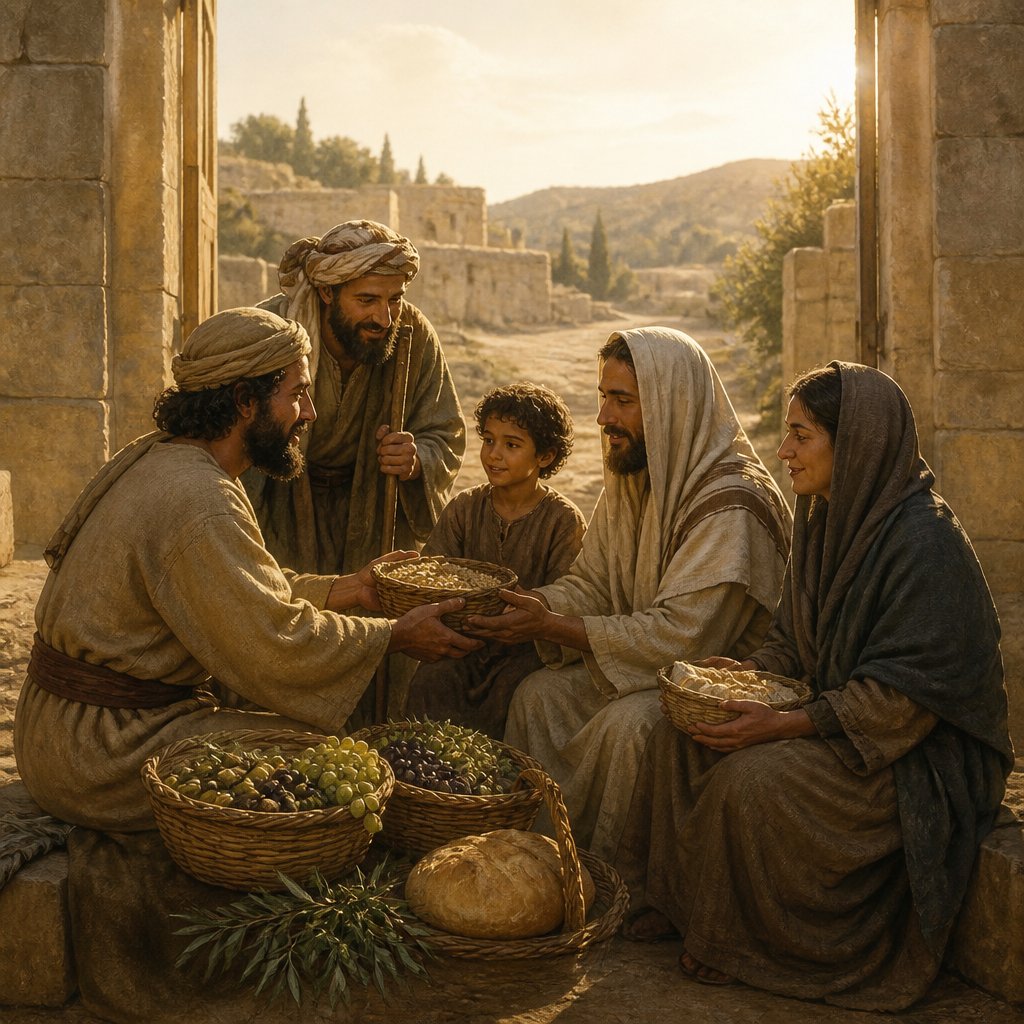
As we delve into the profound wisdom of Deuteronomy 26:12, we find a divine injunction that echoes God's heart for justice, generosity, and community care. The verse states: "When thou hast made an end of tithing all the tithes of thine increase the third year, which is the year of tithing, and hast given it unto the Levite, the stranger, the fatherless, and the widow, that they may eat within thy gates, and be filled" (KJV).
In this scripture, we encounter the concept of tithing, which is often reduced to merely a financial transaction. However, tithing holds much greater significance. In Israelite tradition, the tithe was not just an offering; it was a sacred act of acknowledging God’s sovereignty over our lives and recognizing His provision. When God's people harvested the fruits of their labor, they were commanded to set aside a portion—the tithe—in grateful response to God’s abundant blessings.
The third year, specifically referred to in this verse, was designated as the year of tithing, wherein the tithe was not only to be collected but also to be distributed among the Levites, the outsiders (strangers), and the marginalized (the fatherless and the widow). This practice underscores a critical aspect of God’s economy: that those who have should be channels of blessing to those in need. It was a radical call to ensure that everyone within the community would have enough to eat and live dignified lives. God’s design for communal welfare emphasizes the importance of supporting those who might otherwise go hungry or be overlooked.
Tithing, as outlined in Deuteronomy, illuminates the character of God. The Lord desires His people not just to maintain an attitude of stewardship over their possessions but to extend that stewardship into active compassion and generosity. The directive to provide for the Levite, the stranger, the fatherless, and the widow reminds us that God has a heart for the vulnerable. Throughout Scripture, the categories of people highlighted are those who often had limited means of support: the Levites relied on the offerings of the people since they had no inheritance of land, while strangers, orphans, and widows were often left to fend for themselves in a patriarchal society.
The instruction to ‘give’ demonstrates that our tithes fulfill a dual purpose—they honor God and serve humanity. Consider how this transcends mere obligation; it is a call to action grounded in love. We are invited to reflect on our own practices of giving. Are we merely giving lip service to the idea of tithing, or are we genuinely engaged in supporting those in our communities who are in need? This scripture beckons us to reevaluate our relationship with our resources and acknowledge that they are gifts from God meant to be shared.
In practical terms, each believer today must ask themselves: how can I ensure that my "tithes"—both monetary and non-monetary—serve as a means to lift others up? Perhaps it means consciously setting aside not only 10 percent of our income but also dedicating time, listening ears, and hands ready to help.
Finally, the conclusion of the verse provides a beautiful image: that "they may eat within thy gates and be filled." This poignant statement compels us to think about the kind of community we are building. Our spiritual walk should be defined not just by personal piety but by our ability to invite those in need into our lives. Are we creating spaces where people feel welcome, nourished, and unconditionally accepted?
In a world where disparity often prevails, let us strive to become generous, compassionate stewards of God’s grace. May our commitment to tithing and action towards caring for others inspire those around us and reflect God’s loving provision. Ultimately, as we practice true generosity rooted in obedience to His word, we will become conduits of His fullness, satisfying the needs of those around us while delighting in the abundance of His grace.
Get our apps


Artwork for Deuteronomy 26:12

Deuteronomy 26:12 - "¶ When thou hast made an end of tithing all the tithes of thine increase the third year, which is the year of tithing, and hast given it unto the Levite, the stranger, the fatherless, and the widow, that they may eat within thy gates, and be filled;"
"¶ When thou hast made an end of tithing all the tithes of thine increase the third year, which is the year of tithing, and hast given it unto the Levite, the stranger, the fatherless, and the widow, that they may eat within thy gates, and be filled;" - Deuteronomy 26:12

Deuteronomy 12:26 - "Only thy holy things which thou hast, and thy vows, thou shalt take, and go unto the place which the LORD shall choose:"

Deuteronomy 26:4-10

Deuteronomy 26:4-10

Deuteronomy 11:26 - "¶ Behold, I set before you this day a blessing and a curse;"

Deuteronomy 26:6 - "And the Egyptians evil entreated us, and afflicted us, and laid upon us hard bondage:"

Genisis 26:12

Deuteronomy 1:26 - "Notwithstanding ye would not go up, but rebelled against the commandment of the LORD your God:"
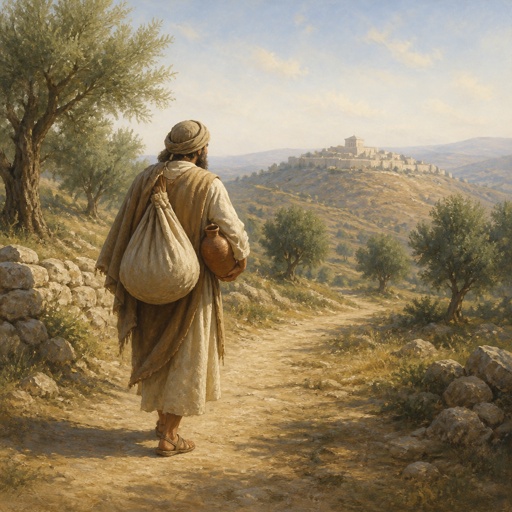
"Only thy holy things which thou hast, and thy vows, thou shalt take, and go unto the place which the LORD shall choose:" - Deuteronomy 12:26

Deuteronomy 27:26 - "Cursed be he that confirmeth not all the words of this law to do them. And all the people shall say, Amen."

Deuteronomy 2:26 - "¶ And I sent messengers out of the wilderness of Kedemoth unto Sihon king of Heshbon with words of peace, saying,"

Luke 12:25-26

Luke 12:25-26

Luke 12:25-26

Luke 12:25-26

Luke 12:25-26
Luke 12:25-26

Luke 12:25-26

Deuteronomy 26:9 - "And he hath brought us into this place, and hath given us this land, even a land that floweth with milk and honey."

Deuteronomy 26:8 - "And the LORD brought us forth out of Egypt with a mighty hand, and with an outstretched arm, and with great terribleness, and with signs, and with wonders:"

Deuteronomy 26:4 - "And the priest shall take the basket out of thine hand, and set it down before the altar of the LORD thy God."

Deuteronomy 31:26 - "Take this book of the law, and put it in the side of the ark of the covenant of the LORD your God, that it may be there for a witness against thee."

Deuteronomy 33:26 - "¶ There is none like unto the God of Jeshurun, who rideth upon the heaven in thy help, and in his excellency on the sky."

Deuteronomy 14:12 - "But these are they of which ye shall not eat: the eagle, and the ossifrage, and the ospray,"

Deuteronomy 24:12 - "And if the man be poor, thou shalt not sleep with his pledge:"

Deuteronomy 5:26 - "For who is there of all flesh, that hath heard the voice of the living God speaking out of the midst of the fire, as we have, and lived?"

Deuteronomy 29:26 - "For they went and served other gods, and worshipped them, gods whom they knew not, and whom he had not given unto them:"

Deuteronomy 12:4 - "Ye shall not do so unto the LORD your God."

Deuteronomy 28:26 - "And thy carcase shall be meat unto all fowls of the air, and unto the beasts of the earth, and no man shall fray them away."