Building Altars of Whole Stones: A Sacrifice of Integrity
"Thou shalt build the altar of the LORD thy God of whole stones: and thou shalt offer burnt offerings thereon unto the LORD thy God:" - Deuteronomy 27:6
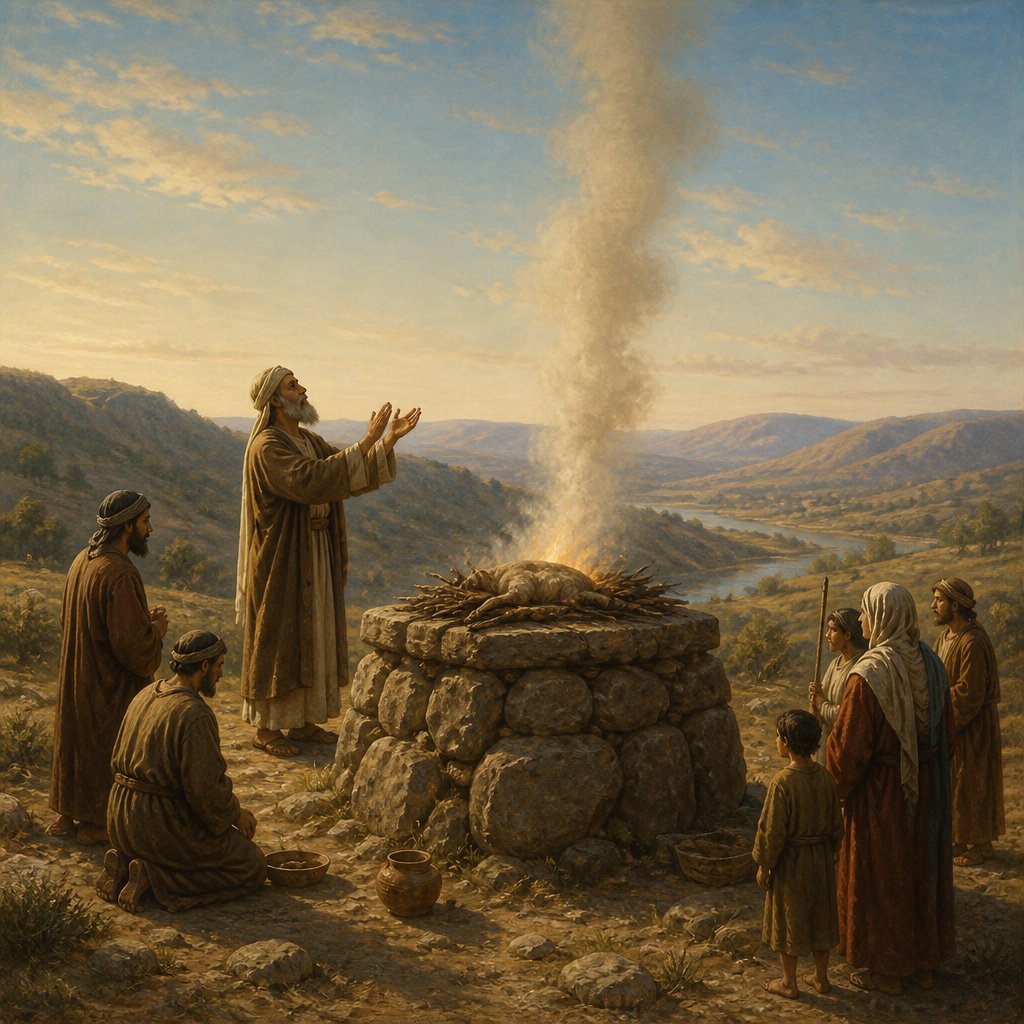
In Deuteronomy 27:6, we read the command, "Thou shalt build the altar of the LORD thy God of whole stones: and thou shalt offer burnt offerings thereon unto the LORD thy God." This intriguing directive symbolizes much more than a physical structure; it highlights the essence of worship, integrity, and the nature of our offerings to God.
The context of this passage finds the Israelites on the brink of entering the Promised Land. After wandering in the wilderness for 40 years, they are poised to step into the abundance that God has prepared for them. Yet, before entering this new chapter of their collective history, God instructs them on the importance of establishing an altar. This altar is not just a place for sacrifice; it is a sign of their covenant relationship with Him and a means to offer their lives back to the Creator.
The command to use 'whole stones' serves as a profound metaphor. Whole stones are uncut and unblemished; they stand in stark contrast to the practices of the surrounding nations who often crafted their idols from hewn stones, which represented manipulation and alteration. God specifically calls His people to construct an altar with natural stones, untouched and complete, reflecting His desire for authenticity in our relationship with Him.
When we consider the significance of building an altar of whole stones, we must ask ourselves about the altars we have erected in our own lives. Are they made of whole stones, symbolic of our true selves? Or do we find that we too are in the habit of shaping our offerings and worship to fit what we believe is expected? Are we cutting away parts of ourselves to present a polished facade to God and those around us?
In the Old Testament, altars were places of sacrifice. They were places where the people came to acknowledge their sinfulness and dependency on God's grace through burnt offerings—an acknowledgment that only through the shedding of blood could they be reconciled to God. Today, we are called to offer our lives as living sacrifices, as stated in Romans 12:1, which prompts us to present our bodies as "a living sacrifice, holy, acceptable unto God." How often do we truly reflect on the nature of our sacrifices? Are they whole, genuine, and purely presented?
Offering burnt offerings on this altar suggests not only surrender but also a deep commitment to God’s authority in our lives. Each time we approach the altar of our heart, seeking forgiveness or genuine communion with God, we are reminded of the sacrificial love displayed on the cross—where Christ became the ultimate offering for our sins. By understanding the weight of this sacrifice, we are called to respond not with mere ritual, but with transformed lives that reflect His love and truth.
As we navigate the intricacies of our faith journey, we may find ourselves faced with temptation to build altars of convenience, constructing our faith on half-truths or popular sentiments instead of the enduring and whole truth of God’s Word. Our altars need to be built from a position of integrity and sincerity. The "whole stones" symbolize integrity in our relationships with God; they suggest that our worship should mirror the wholeness of our commitment to Him.
In our worship, as we offer our lives, we must do so with a deep awareness of our need for God’s grace. Let us bring our raw, unrefined selves to Him, unhindered by past hurts and failures, recognizing that He desires our honesty and heart more than mere sacrifice.
In conclusion, building an altar of whole stones is an act of faith requiring us to resist the temptation to polish our image, but instead present the whole of who we are to God. Let us strive to be unshakably genuine in our relationship with Him, understanding that a life offered to God is one that is rooted in truth, integrity, and heartfelt devotion. May our offerings be pleasing in His sight as we commit to building our lives, altars, and worship on the unyielding foundation of His love and truth.
Want to reflect more on Deuteronomy 27:6?
Continue your spiritual journey with Bible Chat — an AI-powered tool for exploring God's Word through conversation. Ask questions, discover connections, and deepen your understanding.
Get Our Apps


Deuteronomy 27:6 Artwork
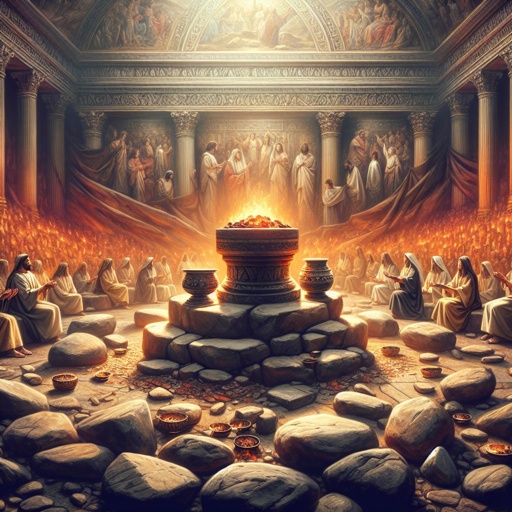
Deuteronomy 27:6 - "Thou shalt build the altar of the LORD thy God of whole stones: and thou shalt offer burnt offerings thereon unto the LORD thy God:"
"Thou shalt build the altar of the LORD thy God of whole stones: and thou shalt offer burnt offerings thereon unto the LORD thy God:" - Deuteronomy 27:6

Deuteronomy 27:11 - "¶ And Moses charged the people the same day, saying,"

Deuteronomy 27:14 - "¶ And the Levites shall speak, and say unto all the men of Israel with a loud voice,"

Deuteronomy 27:8 - "And thou shalt write upon the stones all the words of this law very plainly."

Deuteronomy 22:27 - "For he found her in the field, and the betrothed damsel cried, and there was none to save her."

Deuteronomy 29:27 - "And the anger of the LORD was kindled against this land, to bring upon it all the curses that are written in this book:"

Deuteronomy 27:21 - "Cursed be he that lieth with any manner of beast. And all the people shall say, Amen."

Deuteronomy 27:17 - "Cursed be he that removeth his neighbour's landmark. And all the people shall say, Amen."

Deuteronomy 27:23 - "Cursed be he that lieth with his mother in law. And all the people shall say, Amen."

Deuteronomy 27:24 - "Cursed be he that smiteth his neighbour secretly. And all the people shall say, Amen."

Deuteronomy 6:6 - "And these words, which I command thee this day, shall be in thine heart:"

Deuteronomy 28:27 - "The LORD will smite thee with the botch of Egypt, and with the emerods, and with the scab, and with the itch, whereof thou canst not be healed."

Deuteronomy 27:19 - "Cursed be he that perverteth the judgment of the stranger, fatherless, and widow. And all the people shall say, Amen."

Deuteronomy 11:27 - "A blessing, if ye obey the commandments of the LORD your God, which I command you this day:"

Deuteronomy 27:18 - "Cursed be he that maketh the blind to wander out of the way. And all the people shall say, Amen."

Deuteronomy 27:26 - "Cursed be he that confirmeth not all the words of this law to do them. And all the people shall say, Amen."

Deuteronomy 27:16 - "Cursed be he that setteth light by his father or his mother. And all the people shall say, Amen."

Deuteronomy 27:7 - "And thou shalt offer peace offerings, and shalt eat there, and rejoice before the LORD thy God."

Deuteronomy 27:25 - "Cursed be he that taketh reward to slay an innocent person. And all the people shall say, Amen."

Deuteronomy 27:13 - "And these shall stand upon mount Ebal to curse; Reuben, Gad, and Asher, and Zebulun, Dan, and Naphtali."

Job 27:6

luke 6: 27

Deuteronomy 27:1 - "And Moses with the elders of Israel commanded the people, saying, Keep all the commandments which I command you this day."

"¶ And Moses charged the people the same day, saying," - Deuteronomy 27:11

Deuteronomy 34:5-6

Deuteronomy 9:27 - "Remember thy servants, Abraham, Isaac, and Jacob; look not unto the stubbornness of this people, nor to their wickedness, nor to their sin:"
Deuteronomy 14:27 - "And the Levite that is within thy gates; thou shalt not forsake him; for he hath no part nor inheritance with thee."

Luke 6: 27-38

Luke 6:27-38