Avoiding the Allure of Idolatry: A Reflection on Deuteronomy 4:17
“The likeness of any beast that is on the earth, the likeness of any winged fowl that flieth in the air,” — Deuteronomy 4:17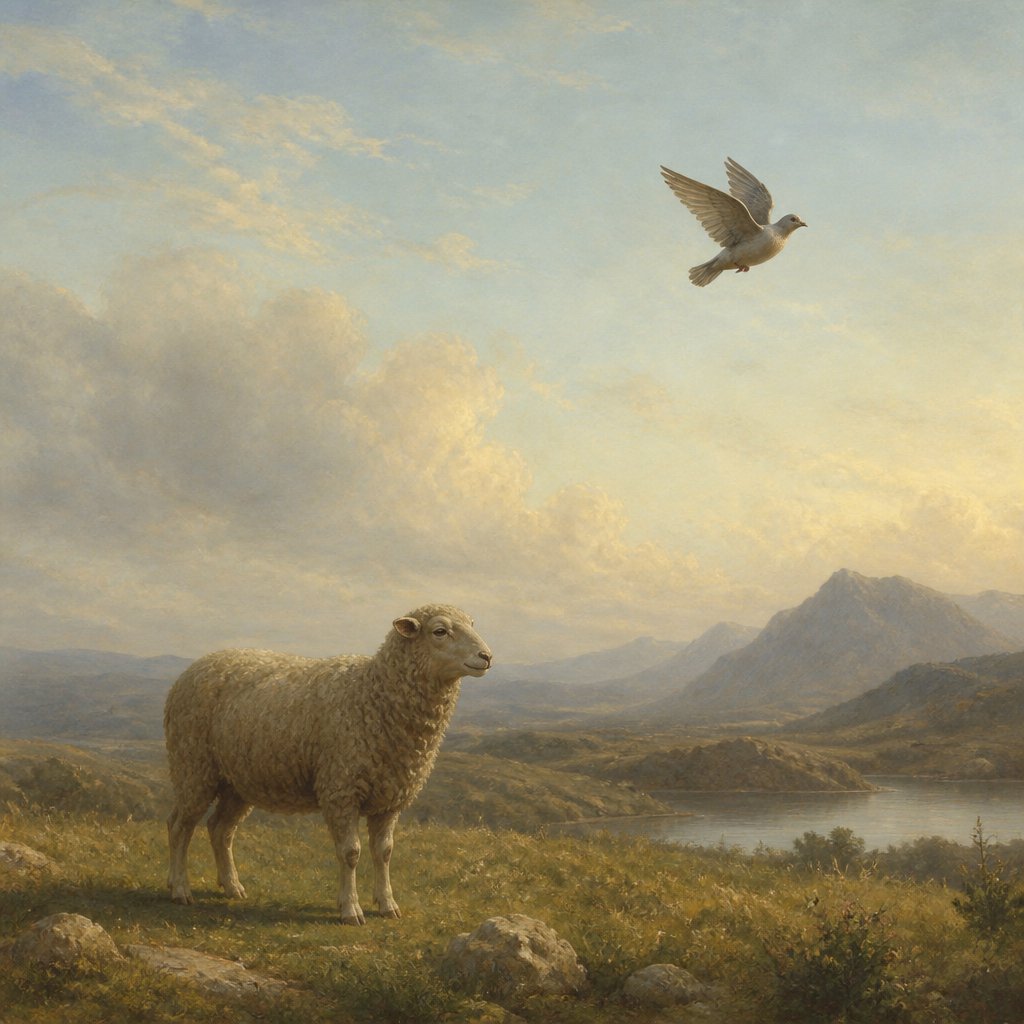
Deuteronomy 4:17 tells us, "The likeness of any beast that is on the earth, the likeness of any winged fowl that flieth in the air." This verse comes from a significant section of Scripture where Moses is reminding the Israelites of the importance of fidelity to Yahweh and the dangers of idolatry. The context in which this command is given is one of profound reverence and a call to maintain a true relationship with God, untainted by the influences of the surrounding nations.
In the ancient world, as it is today, idolatry often takes the form of worshipping created things rather than the Creator. The nations surrounding Israel worshipped a plethora of animal and nature deities, often represented by carvings or statues of beasts and birds. This command prohibits the Israelites from making images of living beings for worship. It serves as a reminder of God's integrity and uniqueness.
Why is this prohibition so crucial? At its core, idolatry distorts our understanding of God. When we attempt to portray God through physical representations, we limit Him to a shape or form that cannot possibly encompass His divine nature. God, in His essence, is spirit, boundless and omnipresent. Yet, when we fashion something tangible in the likeness of created beings, we reduce Him to the level of creation, and in doing so, we set ourselves on a path towards spiritual blindness.
As believers in the modern age, we may not be tempted to carve idols out of wood or stone, but the spirit of idolatry is still rampant. We may create false images of God in our minds—misconceptions formed by our experiences, surroundings, or cultural narratives. This can manifest as the idol of personal comfort, where we expect God to fulfill our desires rather than align with His will. Or it may arise as the idol of security, where we mistakenly believe that our wealth or status can provide true peace and safety instead of resting in God’s providential care.
Moses warns the Israelites with a stern admonition: to keep their hearts and minds focused on God alone. If they allow the likeness of any beast or winged fowl to capture their devotion, they risk losing sight of the Almighty God who redeemed them from slavery in Egypt and led them through the wilderness. Their calling is to be a holy nation, set apart for His purposes, and idolatry would only lead them astray.
In our quiet moments of reflection, we are invited to search our hearts for any modern “idols” we may be clinging to—those things we turn to in times of need instead of God. Are there priorities in our lives that overshadow our relationship with Him? Are there activities, possessions, or even personal aspirations that take precedence over our walk with the Lord?
Ultimately, to embrace God with all our heart means relinquishing whatever holds a competing claim on our devotion. We are encouraged to cultivate a deep and abiding relationship with God through prayer, reading Scripture, and engaging in fellowship. The more intimately we know Him, the less tempted we will be to fall into the traps of idolatry.
Let us heed the powerful message contained in Deuteronomy 4:17. In the beauty of creation—the beasts of the earth and the fowl of the air—may we see the majesty of the Creator and refuse to let ourselves be distracted by lesser things. Instead, let us live vibrant lives that reflect our commitment to God alone, guarding our hearts and ensuring that idols have no place in our spiritual journey.
Get our apps


Artwork for Deuteronomy 4:17

Deuteronomy 4:17 - "The likeness of any beast that is on the earth, the likeness of any winged fowl that flieth in the air,"
"The likeness of any beast that is on the earth, the likeness of any winged fowl that flieth in the air," - Deuteronomy 4:17

Deuteronomy 17:4 - "And it be told thee, and thou hast heard of it, and enquired diligently, and, behold, it be true, and the thing certain, that such abomination is wrought in Israel:"

Deuteronomy 5:17 - "Thou shalt not kill."

Deuteronomy 14:17 - "And the pelican, and the gier eagle, and the cormorant,"
"And it be told thee, and thou hast heard of it, and enquired diligently, and, behold, it be true, and the thing certain, that such abomination is wrought in Israel:" - Deuteronomy 17:4

Deuteronomy 2:17 - "That the LORD spake unto me, saying,"

Deuteronomy 28:17 - "Cursed shall be thy basket and thy store."

"Thou shalt not kill." - Deuteronomy 5:17

Deuteronomy 23:17 - "¶ There shall be no whore of the daughters of Israel, nor a sodomite of the sons of Israel."

Deuteronomy 17:13 - "And all the people shall hear, and fear, and do no more presumptuously."

Deuteronomy 17:17 - "Neither shall he multiply wives to himself, that his heart turn not away: neither shall he greatly multiply to himself silver and gold."

Deuteronomy 26:4-10

"And the pelican, and the gier eagle, and the cormorant," - Deuteronomy 14:17

Deuteronomy 18:17 - "And the LORD said unto me, They have well spoken that which they have spoken."

Deuteronomy 26:4-10

Deuteronomy 4:4 - "But ye that did cleave unto the LORD your God are alive every one of you this day."

Deuteronomy 27:17 - "Cursed be he that removeth his neighbour's landmark. And all the people shall say, Amen."

Deuteronomy 24:17 - "¶ Thou shalt not pervert the judgment of the stranger, nor of the fatherless; nor take a widow's raiment to pledge:"

"That the LORD spake unto me, saying," - Deuteronomy 2:17

Deuteronomy 8:17 - "And thou say in thine heart, My power and the might of mine hand hath gotten me this wealth."

Deuteronomy 29:17 - "And ye have seen their abominations, and their idols, wood and stone, silver and gold, which were among them:)"

Deuteronomy 34:1-4 – Moses views the Promised Land from Mount Nebo.

Deuteronomy 34:1-4 – Moses views the Promised Land from Mount Nebo.

Deuteronomy 34:1-4 – Moses views the Promised Land from Mount Nebo.

Deuteronomy 25:17 - "¶ Remember what Amalek did unto thee by the way, when ye were come forth out of Egypt;"

Deuteronomy 4:44 - "¶ And this is the law which Moses set before the children of Israel:"

Deuteronomy 7:17 - "If thou shalt say in thine heart, These nations are more than I; how can I dispossess them?"

"Cursed shall be thy basket and thy store." - Deuteronomy 28:17

Deuteronomy 12:4 - "Ye shall not do so unto the LORD your God."