The Goodness of God in Our Obedience
“And the LORD commanded us to do all these statutes, to fear the LORD our God, for our good always, that he might preserve us alive, as it is at this day.” — Deuteronomy 6:24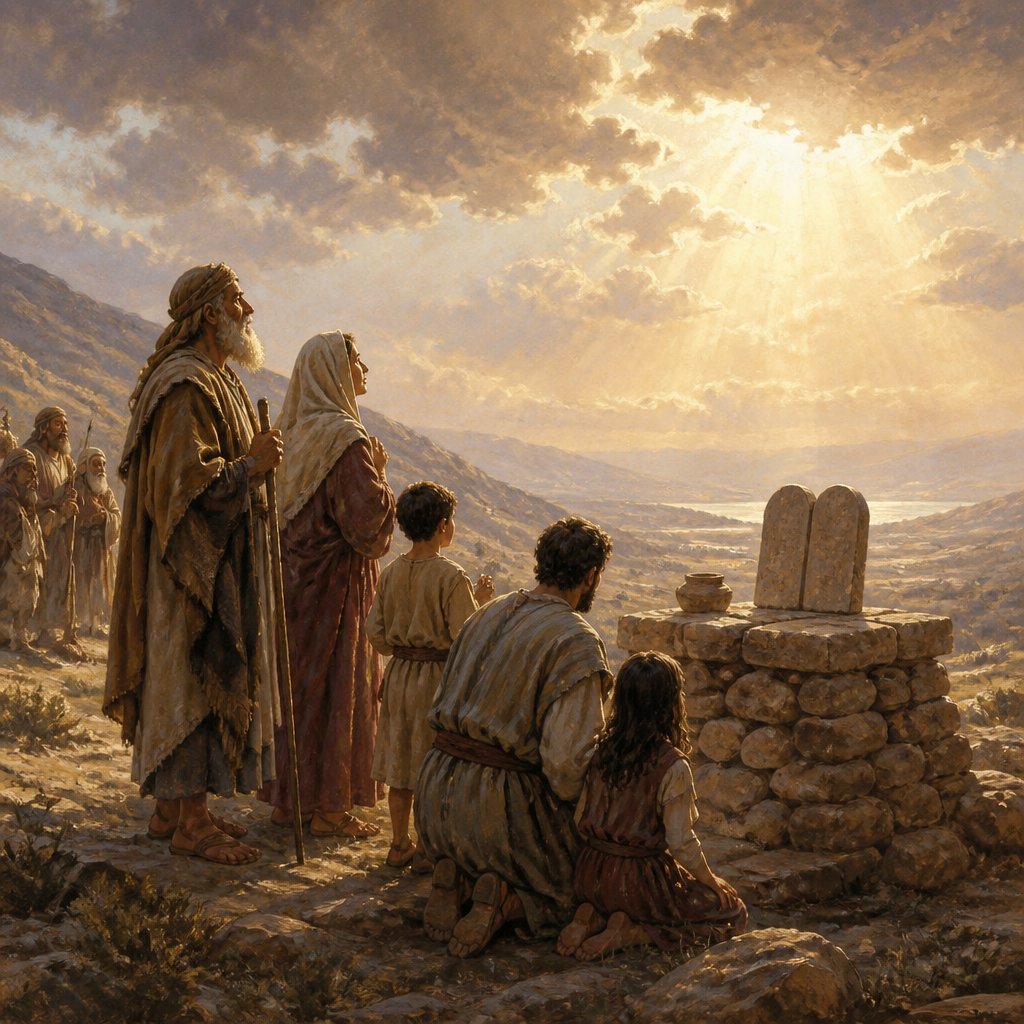
In Deuteronomy 6:24, we read, "And the LORD commanded us to do all these statutes, to fear the LORD our God, for our good always, that he might preserve us alive, as it is at this day." This verse encapsulates a profound truth about the relationship between God’s commandments and His desire for our thriving and preservation. Here, Moses reminds the Israelites of the significance of obedience to God’s laws, framing it as not merely a duty, but as an indication of His goodness and care for His people.
The term "commanded" underscores the authority and seriousness of God’s expectations. When we think of commands, we often view them through the lens of restriction or control, yet here we see that they are framed within the context of a divine relationship that desires our well-being. God’s laws are not arbitrary; they are rooted in His love and intention for us to lead fruitful lives. They guide us away from the pitfalls that can lead to destruction and toward a path of life, hope, and fulfillment.
Fear of the Lord is a phrase that evokes a range of feelings and interpretations. In biblical terms, fear encompasses reverence, awe, and an understanding of God’s majesty and holiness. To fear the Lord is to acknowledge Him as the ultimate authority; it is recognizing our place in relation to His greatness. This is not a fear that brings torment or anxiety, but a profound respect that breeds a desire to align ourselves with His will. Just as a child, in reverence and respect toward a wise parent, seeks to follow their guidance, we too should approach God with a spirit of humility and obedience. This reverence is vital; it cultivates a heart that desires to live according to His statutes.
The phrase "for our good always" amplifies the motivations behind God’s commands. It speaks directly to the heart of God’s intentions. He is not a distant ruler issuing edicts for His enjoyment; rather, He is a loving Father, directing us toward a more abundant life. The concept of ‘good’ here transcends mere material wealth or surface-level happiness. The goodness of God is holistic, encompassing emotional, spiritual, and physical well-being. He desires for us to flourish in relationships, find purpose in our work, and experience the peace that surpasses all understanding.
Moreover, the second part of the verse, "that he might preserve us alive, as it is at this day," reminds us of the immediate and ongoing benefit of obedience. God’s commandments are protective; they shield us from harm, both seen and unseen. In our modern world, the busyness and distractions of life can lead us astray. We may forget that our adherence to God’s ways is not just beneficial for our spiritual walk but also essential for our survival in a tumultuous world. God’s laws help us navigate the treacherous waters of temptation and sin, ensuring that we remain steadfast and alive in a life that can often feel overwhelming.
As we digest the implications of this verse, we are prompted to examine our own lives. How do we respond to God’s commands? Do we see obedience as a burden, or do we view it through the lens of His goodness toward us? Allow this verse to challenge your perspective on obedience. When we follow God’s commands, we are not restricting ourselves; we are opening the door to His blessings.
As we conclude this devotional, let us remember that God is always working for our good. His commandments are a testimony to His desire for our vibrant lives. May we respond with hearts willing to obey, reverence that acknowledges His authority, and gratitude for His boundless love. In living out these statutes, we experience the fullness of life that God has promised us, preserved alive not just in body, but in spirit and purpose.
Let us pray: Lord, help us to embrace Your commands as guides to a blessed life. Teach us to fear You in a way that leads to reverent obedience. May we always recognize the goodness You have for us in Your statutes, trusting in Your preservation as our days continue. Amen.
Get our apps


Artwork for Deuteronomy 6:24

Deuteronomy 6:24 - "And the LORD commanded us to do all these statutes, to fear the LORD our God, for our good always, that he might preserve us alive, as it is at this day."
"And the LORD commanded us to do all these statutes, to fear the LORD our God, for our good always, that he might preserve us alive, as it is at this day." - Deuteronomy 6:24

Deuteronomy 24:6 - "¶ No man shall take the nether or the upper millstone to pledge: for he taketh a man's life to pledge."
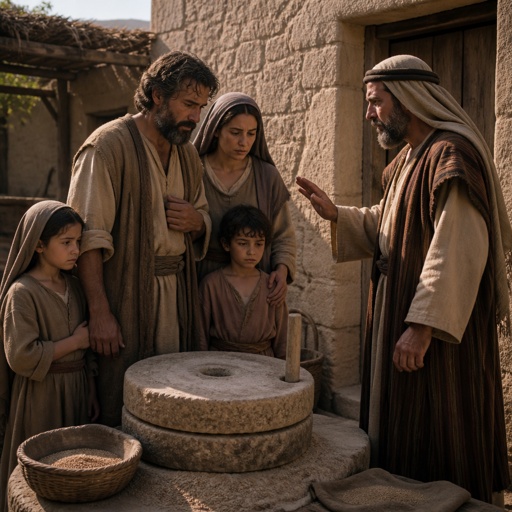
"¶ No man shall take the nether or the upper millstone to pledge: for he taketh a man's life to pledge." - Deuteronomy 24:6

Deuteronomy 24:12 - "And if the man be poor, thou shalt not sleep with his pledge:"

Deuteronomy 4:24 - "For the LORD thy God is a consuming fire, even a jealous God."

Deuteronomy 12:24 - "Thou shalt not eat it; thou shalt pour it upon the earth as water."

Deuteronomy 6:6 - "And these words, which I command thee this day, shall be in thine heart:"

Deuteronomy 1:24 - "And they turned and went up into the mountain, and came unto the valley of Eshcol, and searched it out."

Deuteronomy 9:24 - "Ye have been rebellious against the LORD from the day that I knew you."

Deuteronomy 27:24 - "Cursed be he that smiteth his neighbour secretly. And all the people shall say, Amen."

Deuteronomy 34:5-6
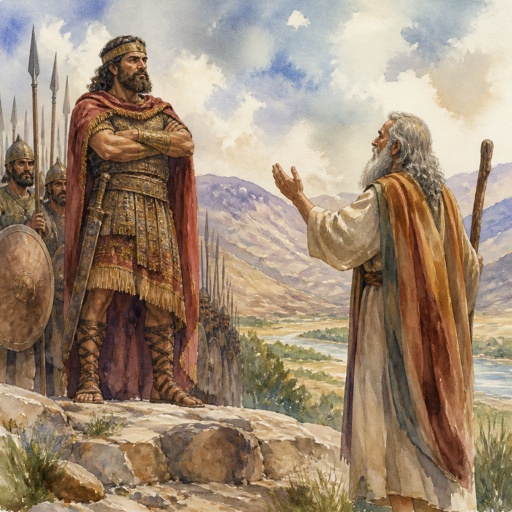
Sihon king of heshbon and Moses in Deuteronomy 2:24-37

Deuteronomy 24:17 - "¶ Thou shalt not pervert the judgment of the stranger, nor of the fatherless; nor take a widow's raiment to pledge:"

Deuteronomy 24:2 - "And when she is departed out of his house, she may go and be another man's wife."

Matthew 6:24

Matthew 6:24

Matthew 6:24

Matthew 6:24

Genesis 24-6

Deuteronomy 24:21 - "When thou gatherest the grapes of thy vineyard, thou shalt not glean it afterward: it shall be for the stranger, for the fatherless, and for the widow."

Deuteronomy 24:22 - "And thou shalt remember that thou wast a bondman in the land of Egypt: therefore I command thee to do this thing."

Deuteronomy 31:24 - "¶ And it came to pass, when Moses had made an end of writing the words of this law in a book, until they were finished,"

Deuteronomy 6:4 - "Hear, O Israel: The LORD our God is one LORD:"

2 kings 6:24

Deuteronomy 24:9 - "Remember what the LORD thy God did unto Miriam by the way, after that ye were come forth out of Egypt."

Deuteronomy 24:10 - "¶ When thou dost lend thy brother any thing, thou shalt not go into his house to fetch his pledge."

Deuteronomy 24:20 - "When thou beatest thine olive tree, thou shalt not go over the boughs again: it shall be for the stranger, for the fatherless, and for the widow."

Deuteronomy 24:11 - "Thou shalt stand abroad, and the man to whom thou dost lend shall bring out the pledge abroad unto thee."

Deuteronomy 33:6 - "¶ Let Reuben live, and not die; and let not his men be few."