The Vanity of Labor: A Reflection on Ecclesiastes 2:21
"For there is a man whose labour is in wisdom, and in knowledge, and in equity; yet to a man that hath not laboured therein shall he leave it for his portion. This also is vanity and a great evil." - Ecclesiastes 2:21
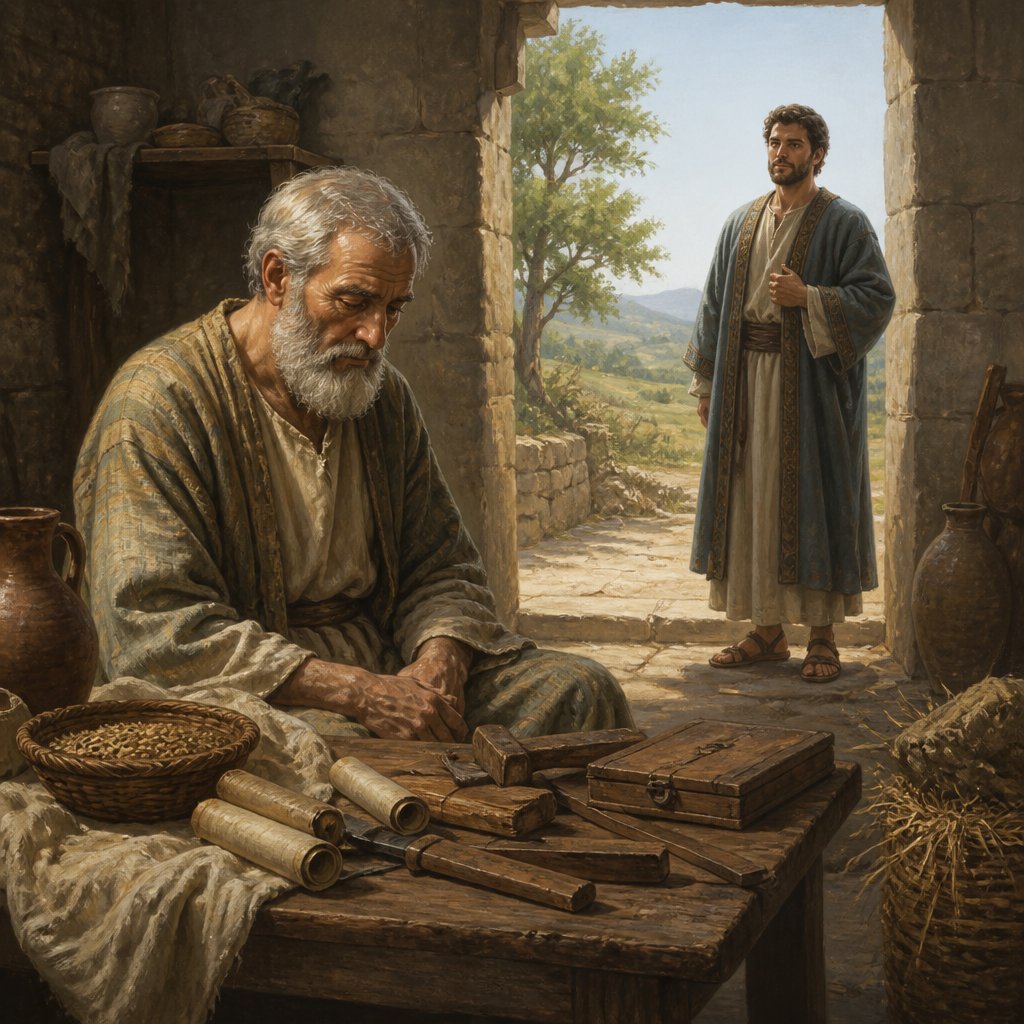
In our fast-paced world, the pursuit of success and the accumulation of wealth can often consume our intellect and energy. Solomon, the author of Ecclesiastes, was keenly aware of the complexities of life, especially the futility that can accompany diligent labor. The verse that demands our attention today is Ecclesiastes 2:21: "For there is a man whose labour is in wisdom, and in knowledge, and in equity; yet to a man that hath not laboured therein shall he leave it for his portion. This also is vanity and a great evil."
This scripture confronts a harsh reality: despite our toil and the wisdom we acquire in our endeavors, there is a pointed uncertainty about the outcomes of our labor. Solomon describes an individual who invests significant effort into understanding and cultivating wisdom, knowledge, and fairness. In these pursuits, he seeks to establish a life rich in experiences and moral rectitude. However, the bitter twist is that he may end up bequeathing his hard-earned gains to someone who did not exert the same level of diligence.
This scenario is not foreign to us. Often, we witness the affluent enjoying the fruits of a wise investment made by someone else. Children inherit wealth they did not work for, and organizations sometimes falter in the hands of a successor who lacks the vision and commitment of the founder. The rich paradox of human experience reveals itself: the toil of one may significantly benefit another who has not labored. How profound is this introspection as we assess the noble pursuits that drive our daily lifetime!
What drives this relentless pursuit of achievement if in the end, we are subject to leaving it all behind? Solomon does not just lament the potential of leaving our efforts to those who have not earned them; he names it vanity and a great evil. The Hebrew word for ‘vanity’ here conveys the meaning of emptiness or fleetingness. Thus, it begs the question: what is the ultimate purpose of our labor? Is it merely an exercise in futility?
To understand this more deeply, we must evaluate our motives. Are we working towards the Kingdom of God? Are our labors focused on eternal values or temporary gains? In Matthew 6:19-20, Jesus urges us, "Lay not up for yourselves treasures upon earth, where moth and rust doth corrupt, and where thieves break through and steal: But lay up for yourselves treasures in heaven…" This is an important reflection juxtaposed against Solomon's observation.
When we labor in knowledge and equity, we intend that our contributions will be permanent legacies, instilling values and principles in the next generation that will outlast our earthly life. Wisdom gained is not solely for profitable investments or hoarding wealth but creating a life that influences those around us positively. The paradox of inheritance, however, teaches us to align our labor as a source of resilience against the folly of leaving behind material possessions without a moral compass.
Therefore, we are not admonished to cease our labor but to reframe our understanding of it. Let us strive for a labor that embodies wisdom not just for our profit but also enriches those around us with values we hold dear. Every moment, every effort spent in gaining wisdom should manifest in building relationships of integrity, nurturing our spiritual growth, and contributing to our communities grounded in equity.
As we reflect on Ecclesiastes 2:21, let us surrender our vanities to the Lord, embracing the wisdom that God’s ways are greater than our understanding. Our labor is meaningful not just for what we achieve, but in who we become through our efforts. By focusing on eternal value rather than temporal gains, we can indeed find fulfillment that transcends the mortal feudalism of laboring and leaving behind.
Want to reflect more on Ecclesiastes 2:21?
Continue your spiritual journey with Bible Chat — an AI-powered tool for exploring God's Word through conversation. Ask questions, discover connections, and deepen your understanding.
Get Our Apps


Ecclesiastes 2:21 Artwork

Ecclesiastes 2:21 - "For there is a man whose labour is in wisdom, and in knowledge, and in equity; yet to a man that hath not laboured therein shall he leave it for his portion. This also is vanity and a great evil."
"For there is a man whose labour is in wisdom, and in knowledge, and in equity; yet to a man that hath not laboured therein shall he leave it for his portion. This also is vanity and a great evil." - Ecclesiastes 2:21

Ecclesiastes 2:1 - "I said in mine heart, Go to now, I will prove thee with mirth, therefore enjoy pleasure: and, behold, this also is vanity."

Ecclesiastes 3:21 - "Who knoweth the spirit of man that goeth upward, and the spirit of the beast that goeth downward to the earth?"

Ecclesiastes 7:21 - "Also take no heed unto all words that are spoken; lest thou hear thy servant curse thee:"

Ecclesiastes 2:2 - "I said of laughter, It is mad: and of mirth, What doeth it?"

ecclesiastes 12:2-6

"I said in mine heart, Go to now, I will prove thee with mirth, therefore enjoy pleasure: and, behold, this also is vanity." - Ecclesiastes 2:1

Ecclesiastes 1:2 - "Vanity of vanities, saith the Preacher, vanity of vanities; all is vanity."

Ecclesiastes 2:13 - "Then I saw that wisdom excelleth folly, as far as light excelleth darkness."

Ecclesiastes 8:2 - "I counsel thee to keep the king's commandment, and that in regard of the oath of God."

Ecclesiastes 3:2 - "A time to be born, and a time to die; a time to plant, and a time to pluck up that which is planted;"

Ecclesiastes 2:25 - "For who can eat, or who else can hasten hereunto, more than I?"

Ecclesiastes 10:2 - "A wise man's heart is at his right hand; but a fool's heart at his left."

"I said of laughter, It is mad: and of mirth, What doeth it?" - Ecclesiastes 2:2
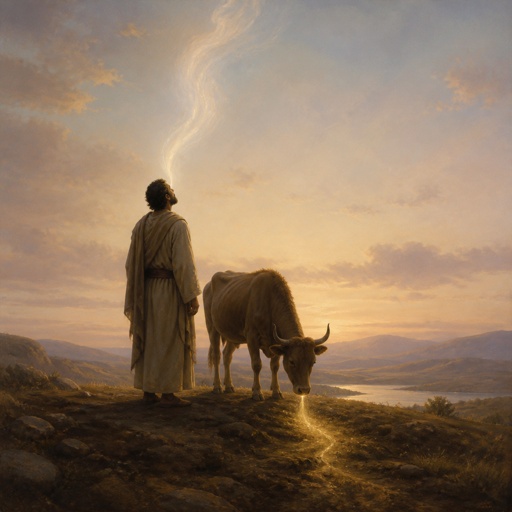
"Who knoweth the spirit of man that goeth upward, and the spirit of the beast that goeth downward to the earth?" - Ecclesiastes 3:21

Ecclesiastes 2:5 - "I made me gardens and orchards, and I planted trees in them of all kind of fruits:"

Ecclesiastes 2:6 - "I made me pools of water, to water therewith the wood that bringeth forth trees:"

"While the sun, or the light, or the moon, or the stars, be not darkened, nor the clouds return after the rain:" - Ecclesiastes 12:2

Ecclesiastes 12:2 - "While the sun, or the light, or the moon, or the stars, be not darkened, nor the clouds return after the rain:"

Ecclesiastes 2:4 - "I made me great works; I builded me houses; I planted me vineyards:"

Ecclesiastes 4:2 - "Wherefore I praised the dead which are already dead more than the living which are yet alive."

Ecclesiastes 11:2 - "Give a portion to seven, and also to eight; for thou knowest not what evil shall be upon the earth."

Ecclesiastes 2:22 - "For what hath man of all his labour, and of the vexation of his heart, wherein he hath laboured under the sun?"

Ecclesiastes 2:20 - "Therefore I went about to cause my heart to despair of all the labour which I took under the sun."

Ecclesiastes 7:2 - "¶ It is better to go to the house of mourning, than to go to the house of feasting: for that is the end of all men; and the living will lay it to his heart."

Ecclesiastes 2:23 - "For all his days are sorrows, and his travail grief; yea, his heart taketh not rest in the night. This is also vanity."

"Also take no heed unto all words that are spoken; lest thou hear thy servant curse thee:" - Ecclesiastes 7:21

Ecclesiastes 2:14 - "The wise man's eyes are in his head; but the fool walketh in darkness: and I myself perceived also that one event happeneth to them all."

Ecclesiastes 2:17 - "Therefore I hated life; because the work that is wrought under the sun is grievous unto me: for all is vanity and vexation of spirit."