Building a Life of Purpose: Reflecting on Ecclesiastes 2:4
"I made me great works; I builded me houses; I planted me vineyards:" - Ecclesiastes 2:4
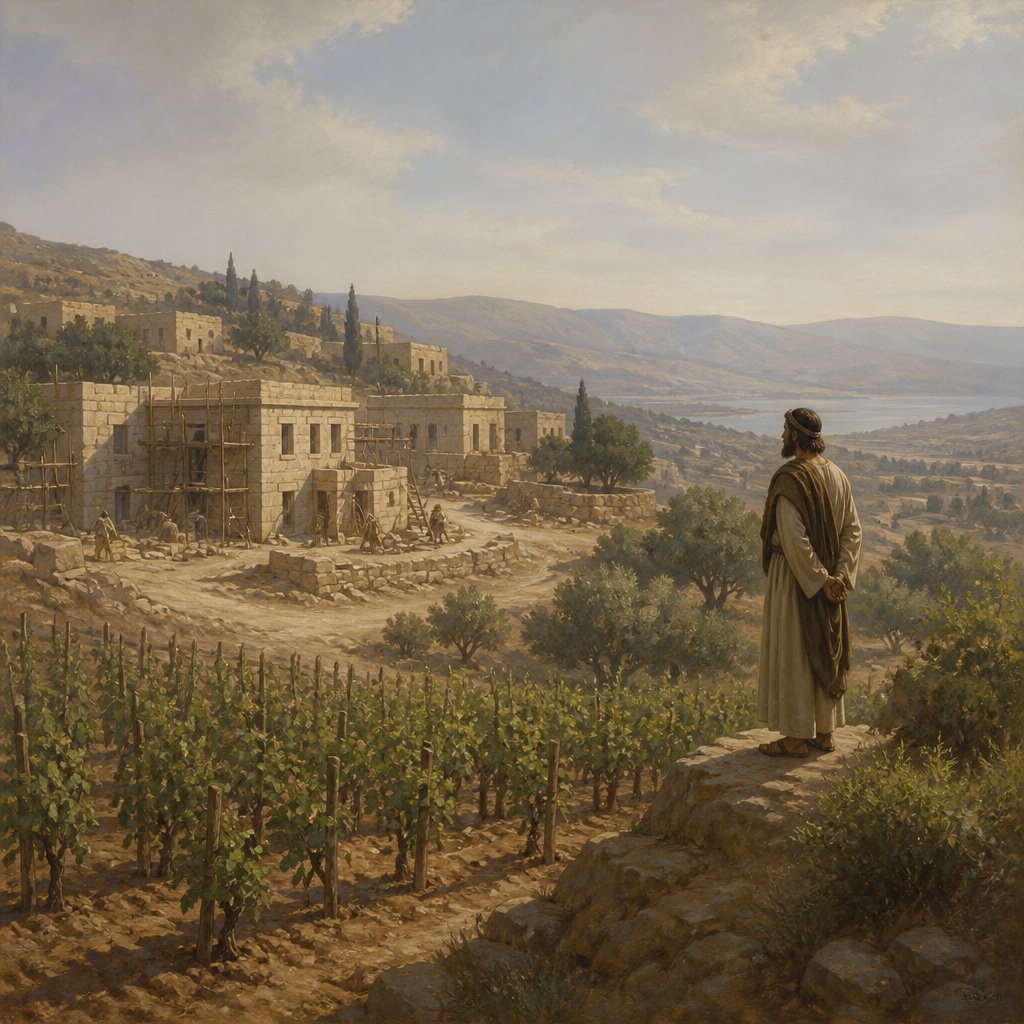
In Ecclesiastes 2:4, we find the profound declaration of King Solomon: "I made me great works; I builded me houses; I planted me vineyards." This verse encapsulates the essence of human ambition and our desire to create, cultivate, and leave a lasting legacy. In contemplating these words, we are invited to reflect on our own pursuits, aspirations, and the meaning of our labor.
Solomon, in all his wisdom, was a figure who engaged deeply with the questions of life’s purpose. He had the resources, the intellect, and the power to pursue every earthly endeavor imaginable. His life was marked by architectural grandeur—grand houses punctuating the land, opulent palaces, and flourishing vineyards bearing fruit for celebration. To what end, one might ask? What does it achieve to build, to plant, to accumulate? Solomon’s journey toward understanding fulfillment speaks directly to our human inclination to find significance in our endeavors.
In this verse, we witness three distinct actions: he made great works, built houses, and planted vineyards. Each of these tasks represents the universal human desire to establish a sense of security, identity, and purpose. We might view these through different lenses: as physical representations of achievement and success or as metaphoric illustrations of our spiritual and emotional investments.
1. **Building Great Works**: The term "great works" can imply various aspects of life—our careers, our families, our dreams. In today’s world, we strive to make our mark, to leave a legacy that will be remembered. Solomon’s experience serves as a reminder that while achievements are significant, they are not the sole measures of a life well-lived. Are our ambitions aligned with God’s purpose for us? Are we building works that honor Him? In our efforts, we are called to ask ourselves what foundation we are building upon. Will our great works stand the test of time?
2. **Building Houses**: Houses symbolize our need for shelter, security, and community. In constructing our lives, we must consider the relevance of the environments we build around us—our relationships, our families, our spaces of influence. They should act as reflections of love, respect, and unity. Jesus shared in Matthew 7:24-27 the importance of building our houses on the rock—the importance of a solid foundation in faith. In a world that can feel turbulent, what are we doing to ensure that our houses, both literal and metaphorical, are built on unwavering truths?
3. **Planting Vineyards**: Planting vineyards is a beautiful metaphor for sowing seeds—not only in terms of physical agriculture but also in spiritual and relational endeavors. Vineyards are places of growth, sustenance, and celebration. Solomon’s investment in vineyards speaks to the importance of nurturing the relationships in our lives, cultivating friendships, and fostering communities that nourish our souls and the souls of others. It invites us to partake in the fruits of labor, joy, and companionship. How often do we actively plant seeds of kindness, compassion, and love?
As we meditate on Ecclesiastes 2:4, let us not only consider what we achieve but also examine the motivations behind our works. Are we striving merely for success, or are we actively pursuing a legacy that glorifies God and serves humanity? Are we establishing roots in love and community or building fortresses for ourselves? In all our endeavors, may we remember that the ultimate joy and fulfillment come not from what we achieve in isolation, but from how we engage with God, others, and His creation.
In conclusion, as we pursue our great works, build our houses, and plant our vineyards, let us seek wisdom and reflection. Let our endeavors serve a purpose greater than ourselves, seeking to honor God in our work and relationships. In doing so, we may find the true satisfaction that our hearts long for. Amen.
Want to reflect more on Ecclesiastes 2:4?
Continue your spiritual journey with Bible Chat — an AI-powered tool for exploring God's Word through conversation. Ask questions, discover connections, and deepen your understanding.
Get Our Apps


Ecclesiastes 2:4 Artwork

Ecclesiastes 2:4 - "I made me great works; I builded me houses; I planted me vineyards:"
"I made me great works; I builded me houses; I planted me vineyards:" - Ecclesiastes 2:4

Ecclesiastes 4:2 - "Wherefore I praised the dead which are already dead more than the living which are yet alive."

Ecclesiastes 4:7 - "Then I returned, and I saw vanity under the sun."

Ecclesiastes 3:4 - "A time to weep, and a time to laugh; a time to mourn, and a time to dance;"

Ecclesiastes 4:4 - "¶ Again, I considered all travail, and every right work, that for this a man is envied of his neighbour. This is also vanity and vexation of spirit."

Ecclesiastes 7:4 - "The heart of the wise is in the house of mourning; but the heart of fools is in the house of mirth."

Ecclesiastes 4:5 - "The fool foldeth his hands together, and eateth his own flesh."

Ecclesiastes 2:2 - "I said of laughter, It is mad: and of mirth, What doeth it?"

Ecclesiastes 4:9 - "¶ Two are better than one; because they have a good reward for their labour."

Ecclesiastes 6:4 - "For he cometh in with vanity, and departeth in darkness, and his name shall be covered with darkness."

Ecclesiastes 1:4 - "One generation passeth away, and another generation cometh: but the earth abideth for ever."
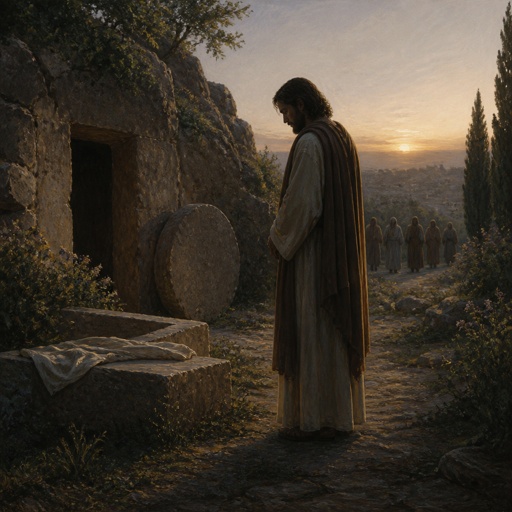
"Wherefore I praised the dead which are already dead more than the living which are yet alive." - Ecclesiastes 4:2

ecclesiastes 12:2-6

Ecclesiastes 4:6 - "Better is an handful with quietness, than both the hands full with travail and vexation of spirit."

Ecclesiastes 11:4 - "He that observeth the wind shall not sow; and he that regardeth the clouds shall not reap."

Ecclesiastes 9:4 - "¶ For to him that is joined to all the living there is hope: for a living dog is better than a dead lion."

Ecclesiastes 4:13 - "¶ Better is a poor and a wise child than an old and foolish king, who will no more be admonished."

Ecclesiastes 4:11 - "Again, if two lie together, then they have heat: but how can one be warm alone?"

Ecclesiastes 8:4 - "Where the word of a king is, there is power: and who may say unto him, What doest thou?"

Ecclesiastes 4:12 - "And if one prevail against him, two shall withstand him; and a threefold cord is not quickly broken."

Ecclesiastes 4:14 - "For out of prison he cometh to reign; whereas also he that is born in his kingdom becometh poor."

Ecclesiastes 10:4 - "If the spirit of the ruler rise up against thee, leave not thy place; for yielding pacifieth great offences."

Ecclesiastes 1:2 - "Vanity of vanities, saith the Preacher, vanity of vanities; all is vanity."

Ecclesiastes 4:15 - "I considered all the living which walk under the sun, with the second child that shall stand up in his stead."

Ecclesiastes 2:13 - "Then I saw that wisdom excelleth folly, as far as light excelleth darkness."

Ecclesiastes 8:2 - "I counsel thee to keep the king's commandment, and that in regard of the oath of God."

Ecclesiastes 4:3 - "Yea, better is he than both they, which hath not yet been, who hath not seen the evil work that is done under the sun."

"Then I returned, and I saw vanity under the sun." - Ecclesiastes 4:7

Ecclesiastes 3:2 - "A time to be born, and a time to die; a time to plant, and a time to pluck up that which is planted;"