The Illusion of Lasting Joy: A Reflection on Ecclesiastes 2:10
"And whatsoever mine eyes desired I kept not from them, I withheld not my heart from any joy; for my heart rejoiced in all my labour: and this was my portion of all my labour." - Ecclesiastes 2:10
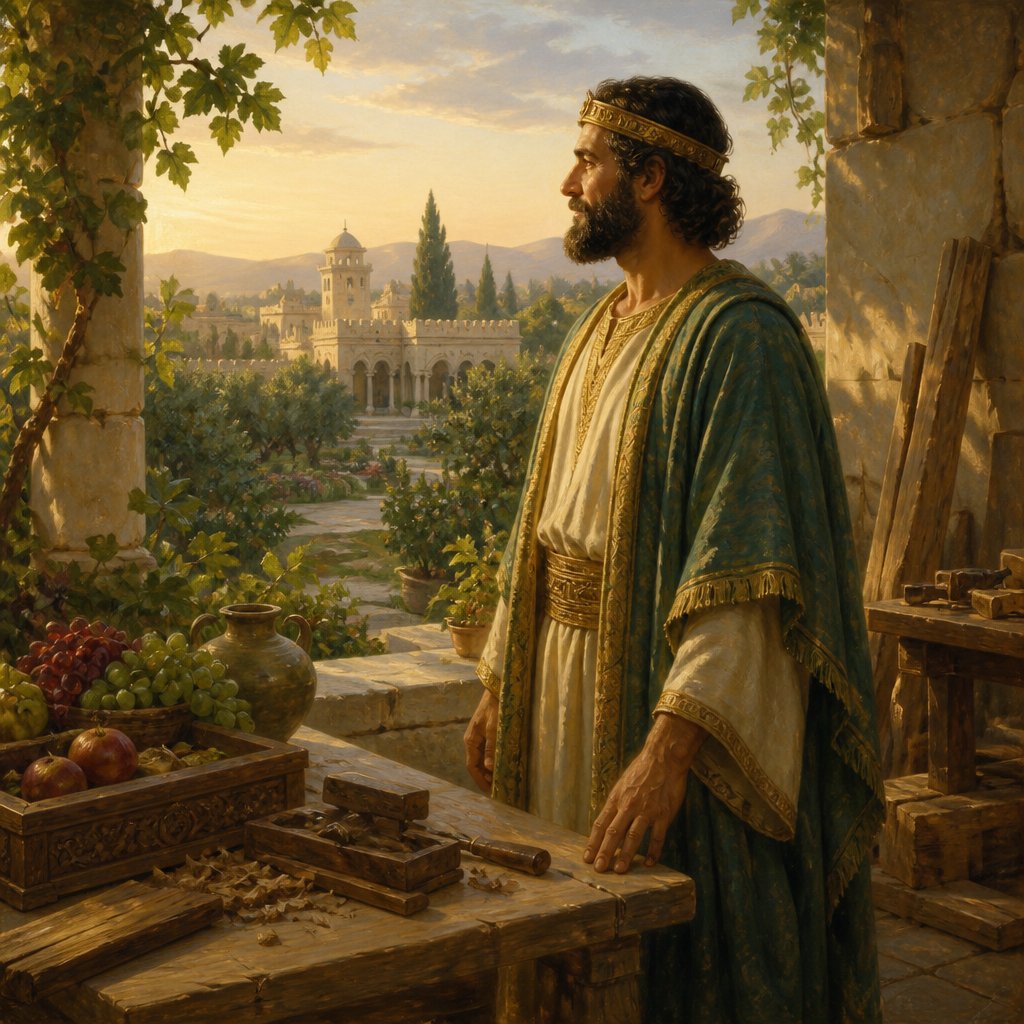
In the grand scheme of life, we often find ourselves chasing after joy, fulfillment, and meaning. Solomon, the wise king of Israel, encapsulates this human experience in Ecclesiastes 2:10, stating, "And whatsoever mine eyes desired I kept not from them, I withheld not my heart from any joy; for my heart rejoiced in all my labour: and this was my portion of all my labour." This verse showcases Solomon's exploration into the pursuits of pleasure, entertainment, and the fruit of hard work, revealing insights both profound and disheartening.
In Solomon’s journey, we see an honest account of seeking joy in material success and sensory experiences. The phrase "whatsoever mine eyes desired" indicates that Solomon allowed himself to embrace and indulge in every whim and desire. In doing so, he unlocked a universal part of the human condition—our tendency to chase after what we see and covet. This is a reflection of our innermost inclinations: whether it is wealth, prestige, relationships, or ventures that sparkle like gems in our eyes, we often seek to fulfill our desires, believing that each accomplishment or possession will lead us to lasting happiness.
Yet, what does it truly mean to allow oneself "not to withhold [one's] heart from any joy"? Here, we see not just indulgence but a longing for true joy. Solomon labored extensively, pouring his heart into various endeavors, and reveling in the fruits of his labor. This speaks to the intrinsic value of work and the joy it can bring. There is dignity and satisfaction in laboring for something and seeing the tangible results of one’s efforts. However, this joy, as Solomon soon discovers, is often fleeting.
As we digest this passage, we are drawn to the tension between fulfillment and emptiness. Solomon had experienced life's pleasures profoundly; he celebrated the accomplishments that came from his tireless work, leading him to think that joy was merely a labor away. However, when we read further into Ecclesiastes, we find that all is ultimately vain. The teacher reflects on the reality that despite all his labor and joy, there was an overarching realization of the transient nature of these pursuits. His overarching conclusion is that without purpose, without acknowledging the divine, even joy can become a chasing after wind.
It is essential for us to ask ourselves: where do we seek our joy? Are we caught in the cycle of desiring what the world offers? Are we so focused on garnering material success that we overlook the deeper, more significant pursuits that yield not only momentary happiness but lasting fulfillment? Solomon's exploration reminds us of the illusions that persist in our lives, drawing us into a perpetual chase for joy that ultimately leaves us empty.
The beauty of this reflection lies not only in the wisdom it imparts but also in the hopeful reality that true joy and meaning are found not in indulgence or endless labor, but in Christ. In the New Testament, we find Christ inviting us to a joy that is transcendent—“I came that they might have life, and that they might have it more abundantly” (John 10:10). God calls us away from the fleeting pleasures of this world and towards a relationship with Him that fills our heart and soul with genuine joy that lasts beyond our Earthly pursuits.
Today, as you meditate on Ecclesiastes 2:10, reflect on your own desires and pursuits. Are you withholding your heart from deeper joys? Are there pleasures you chase that leave you wanting? Allow Solomon’s journey to guide you towards revaluing what joy means in light of eternity, steering you towards the ultimate joy found in knowing and serving Christ. Recognize that your labor, when grounded in faith and purpose, can yield a deeper, more lasting reward that transcends momentary satisfaction and points you to a legacy of eternal significance.
Want to reflect more on Ecclesiastes 2:10?
Continue your spiritual journey with Bible Chat — an AI-powered tool for exploring God's Word through conversation. Ask questions, discover connections, and deepen your understanding.
Get Our Apps


Ecclesiastes 2:10 Artwork
Ecclesiastes 2:10 - "And whatsoever mine eyes desired I kept not from them, I withheld not my heart from any joy; for my heart rejoiced in all my labour: and this was my portion of all my labour."
Ecclesiastes 2:10-11 - "And whatsoever mine eyes desired I kept not from them, I withheld not my heart from any joy; for my heart rejoiced in all my labor: and this was my portion of all my labor. Then I looked on all the works that my hands had wrought, and on the labor that I had labored to do: and, behold, all was vanity and vexation of spirit, and there was no profit under the sun."
"And whatsoever mine eyes desired I kept not from them, I withheld not my heart from any joy; for my heart rejoiced in all my labour: and this was my portion of all my labour." - Ecclesiastes 2:10
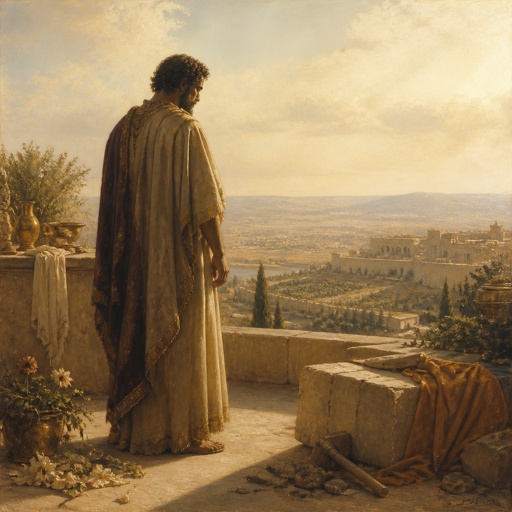
"And whatsoever mine eyes desired I kept not from them, I withheld not my heart from any joy; for my heart rejoiced in all my labor: and this was my portion of all my labor. Then I looked on all the works that my hands had wrought, and on the labor that I had labored to do: and, behold, all was vanity and vexation of spirit, and there was no profit under the sun." - Ecclesiastes 2:10-11
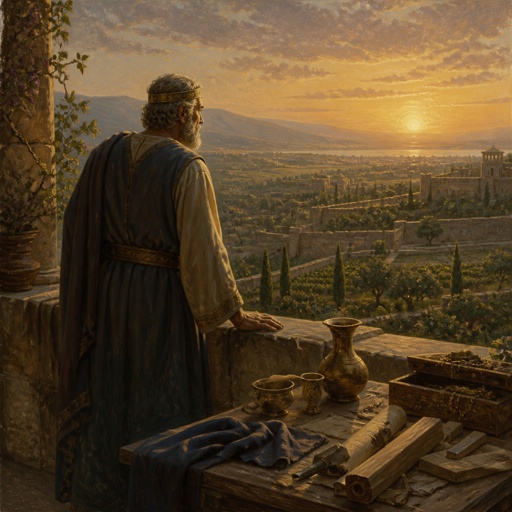
"And whatsoever mine eyes desired I kept not from them, I withheld not my heart from any joy; for my heart rejoiced in all my labor: and this was my portion of all my labor. Then I looked on all the works that my hands had wrought, and on the labor that I had labored to do: and, behold, all was vanity and vexation of spirit, and there was no profit under the sun." - Ecclesiastes 2:10-11
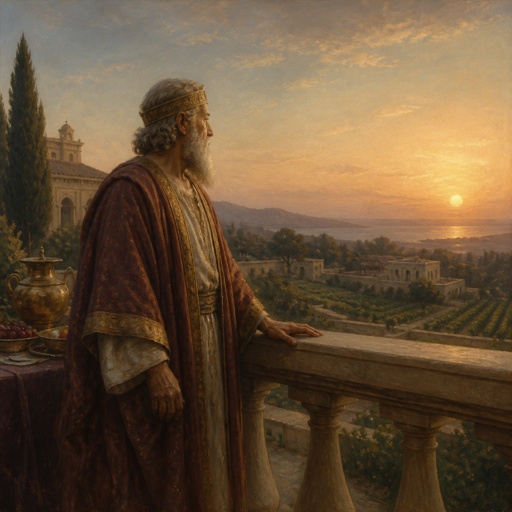
"And whatsoever mine eyes desired I kept not from them, I withheld not my heart from any joy; for my heart rejoiced in all my labor: and this was my portion of all my labor. Then I looked on all the works that my hands had wrought, and on the labor that I had labored to do: and, behold, all was vanity and vexation of spirit, and there was no profit under the sun." - Ecclesiastes 2:10-11

Ecclesiastes 10:2 - "A wise man's heart is at his right hand; but a fool's heart at his left."
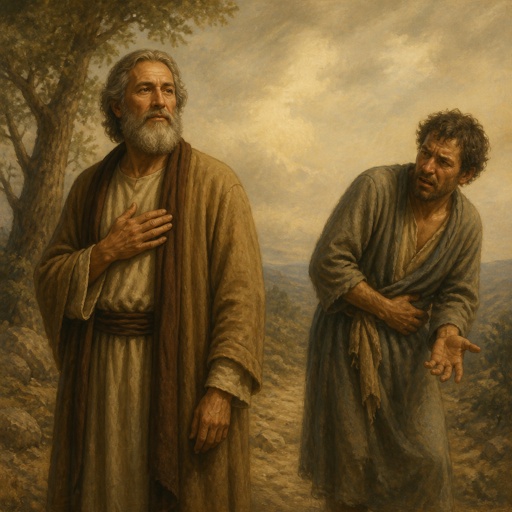
"A wise man's heart is at his right hand; but a fool's heart at his left." - Ecclesiastes 10:2

Ecclesiastes 10:10 - "If the iron be blunt, and he do not whet the edge, then must he put to more strength: but wisdom is profitable to direct."

Ecclesiastes 10:6 - "Folly is set in great dignity, and the rich sit in low place."

Ecclesiastes 10:11 - "Surely the serpent will bite without enchantment; and a babbler is no better."

Ecclesiastes 10:18 - "¶ By much slothfulness the building decayeth; and through idleness of the hands the house droppeth through."

Ecclesiastes 10:19 - "¶ A feast is made for laughter, and wine maketh merry: but money answereth all things."

Ecclesiastes 10:13 - "The beginning of the words of his mouth is foolishness: and the end of his talk is mischievous madness."

Ecclesiastes 10:12 - "The words of a wise man's mouth are gracious; but the lips of a fool will swallow up himself."

Ecclesiastes 2:2 - "I said of laughter, It is mad: and of mirth, What doeth it?"

Ecclesiastes 10:5 - "There is an evil which I have seen under the sun, as an error which proceedeth from the ruler:"

Ecclesiastes 12:10 - "The preacher sought to find out acceptable words: and that which was written was upright, even words of truth."

Ecclesiastes 10:15 - "The labour of the foolish wearieth every one of them, because he knoweth not how to go to the city."

Ecclesiastes 10:7 - "I have seen servants upon horses, and princes walking as servants upon the earth."

Ecclesiastes 3:10 - "I have seen the travail, which God hath given to the sons of men to be exercised in it."

ecclesiastes 12:2-6

Ecclesiastes 5:10 - "He that loveth silver shall not be satisfied with silver; nor he that loveth abundance with increase: this is also vanity."

Ecclesiastes 10:16 - "¶ Woe to thee, O land, when thy king is a child, and thy princes eat in the morning!"

Ecclesiastes 10:9 - "Whoso removeth stones shall be hurt therewith; and he that cleaveth wood shall be endangered thereby."

Ecclesiastes 10:8 - "He that diggeth a pit shall fall into it; and whoso breaketh an hedge, a serpent shall bite him."

Ecclesiastes 10:4 - "If the spirit of the ruler rise up against thee, leave not thy place; for yielding pacifieth great offences."

Ecclesiastes 1:10 - "Is there any thing whereof it may be said, See, this is new? it hath been already of old time, which was before us."

Ecclesiastes 7:10 - "Say not thou, What is the cause that the former days were better than these? for thou dost not enquire wisely concerning this."

"Surely the serpent will bite without enchantment; and a babbler is no better." - Ecclesiastes 10:11