The Ephemeral Legacy: Embracing Life's Fleeting Moments
“For there is no remembrance of the wise more than of the fool for ever; seeing that which now is in the days to come shall all be forgotten. And how dieth the wise man? as the fool.” — Ecclesiastes 2:16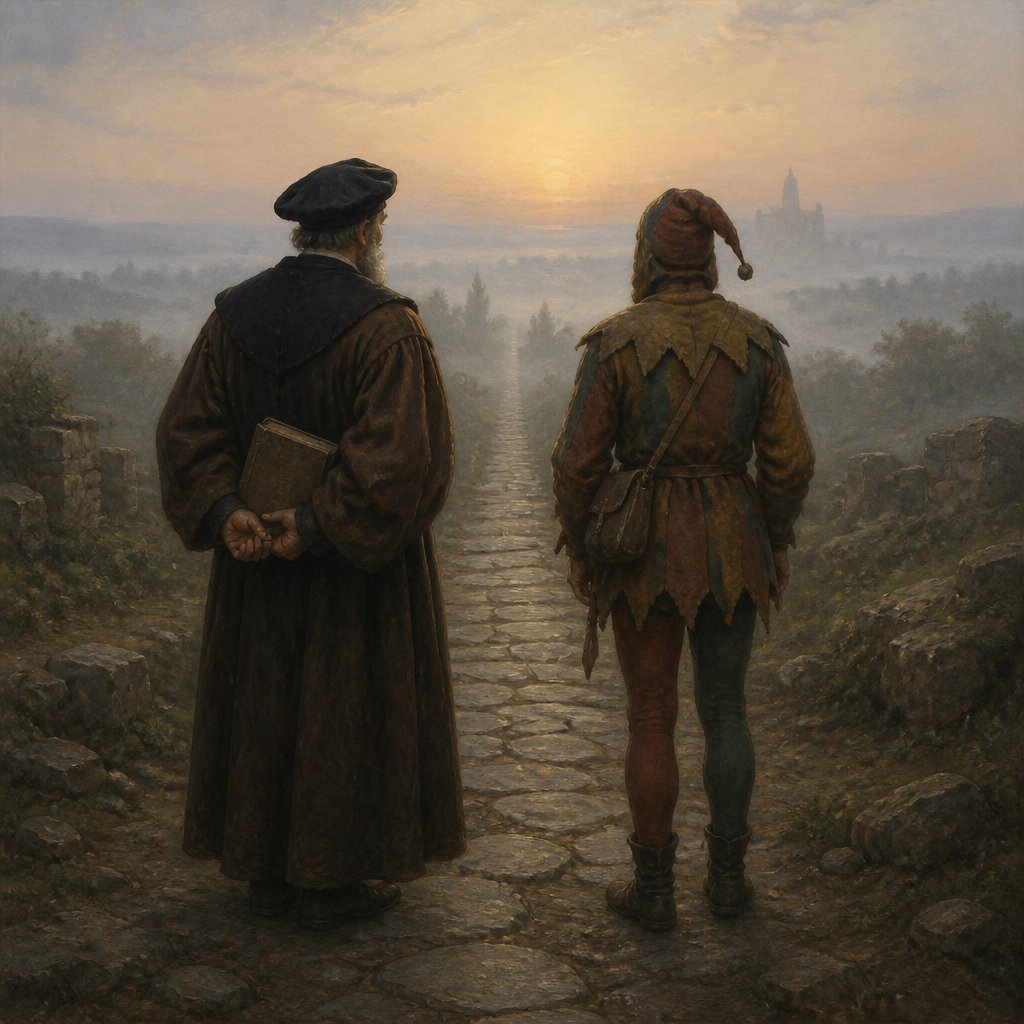
When we turn our thoughts to the wise words of King Solomon in Ecclesiastes 2:16, we encounter a profound truth about the human condition: "For there is no remembrance of the wise more than of the fool for ever; seeing that which now is in the days to come shall all be forgotten. And how dieth the wise man? as the fool." This pointed observation, steeped in the wisdom of a king who had experienced the heights of wealth, wisdom, and folly, invites us to reflect deeply on our lives, our pursuits, and ultimately, our mortality.
In this verse, Solomon confronts the shifting sands of legacy and memory. No matter how wise a person may be, their knowledge and achievements shall be as fleeting as those of a fool. Each of us, wise or foolish, shares the same fate; we will all one day face death, and with it, the inevitable fading of our earthly exploits. This realization can be disheartening, yet it serves as a powerful call to re-evaluate what we truly value in our lives.
In a world filled with ambition, competition, and the relentless search for success, it is easy to invest ourselves in endeavors that promise a lasting legacy. We labor for recognition, accolades, and esteem, hoping to etch our names into the annals of history. But Solomon’s wisdom speaks against such pursuits. What wisdom do we actually possess if it dissolves into obscurity? What dignity exists in our achievements if they ultimately fall into forgetfulness?
The reminder that both the wise and the fool meet their end can lead to a sense of existential dread, yet it can also liberate. If our earthly accomplishments are fleeting, what then should fill our days with purpose? The answer lies not in striving for lasting fame but in living meaningfully in the present moment.
Consider the nature of your relationships. Are you investing your time in those around you? Are you building connections that reflect God’s love? In the face of the inevitability of fading memories, let us embrace the time we have with our loved ones. Let us cherish laughter shared over meals, quiet moments spent in conversation, and the warmth of community. These are the treasures that define our humanity.
Moreover, the heart of Solomon’s message encourages us to look beyond our own experience and to engage in a life of service. True wisdom, as modeled by Christ, is found not in selfish ambition but in humble service to others. With every act of kindness, every moment we lend our time or resources to uplift those around us, we weave a fabric of impact that transcends our personal legacies. Consider the legacy of Christ, whose sacrificial love is remembered beyond the confines of time; His teachings continue to shape lives and histories.
The fleeting nature of remembrance also invites us into deeper faith. Solomon's reflections remind us that we are not the masters of our destinies; we are but stewards of the time we have been given. As we navigate the complexities of life, we are encouraged to place our trust in God, who knows our hearts and understands our struggles. In letting go of the need for recognition, we make space for God to work purposefully in and through us.
Ultimately, Ecclesiastes 2:16 challenges us to embrace our humanity—to know that life is more than the sum of our achievements. It beckons us to acknowledge the legacy that true wisdom brings, one filled with love, service, and faith that reverberates in the hearts of those we touch. So let us live each day with intention, remembering that while our names may not endure, the love and grace of God we exhibit can illuminate the lives of many, transcending time and memory, into eternity.
Get our apps


Artwork for Ecclesiastes 2:16

Ecclesiastes 2:16 - "For there is no remembrance of the wise more than of the fool for ever; seeing that which now is in the days to come shall all be forgotten. And how dieth the wise man? as the fool."
"For there is no remembrance of the wise more than of the fool for ever; seeing that which now is in the days to come shall all be forgotten. And how dieth the wise man? as the fool." - Ecclesiastes 2:16

Ecclesiastes 3:16 - "¶ And moreover I saw under the sun the place of judgment, that wickedness was there; and the place of righteousness, that iniquity was there."

Ecclesiastes 10:16 - "¶ Woe to thee, O land, when thy king is a child, and thy princes eat in the morning!"

Ecclesiastes 7:16 - "Be not righteous over much; neither make thyself over wise: why shouldest thou destroy thyself?"

Ecclesiastes 2:2 - "I said of laughter, It is mad: and of mirth, What doeth it?"

Ecclesiastes 9:16 - "Then said I, Wisdom is better than strength: nevertheless the poor man's wisdom is despised, and his words are not heard."

ecclesiastes 12:2-6

Ecclesiastes 5:16 - "And this also is a sore evil, that in all points as he came, so shall he go: and what profit hath he that hath laboured for the wind?"

Ecclesiastes 1:2 - "Vanity of vanities, saith the Preacher, vanity of vanities; all is vanity."

Ecclesiastes 2:13 - "Then I saw that wisdom excelleth folly, as far as light excelleth darkness."

Ecclesiastes 8:2 - "I counsel thee to keep the king's commandment, and that in regard of the oath of God."

Ecclesiastes 4:16 - "There is no end of all the people, even of all that have been before them: they also that come after shall not rejoice in him. Surely this also is vanity and vexation of spirit."
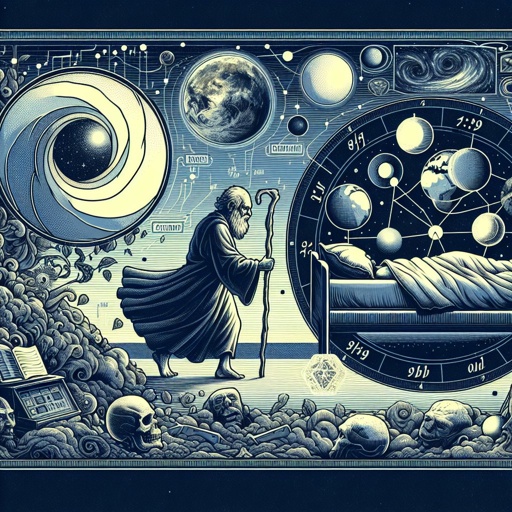
Ecclesiastes 8:16 - "¶ When I applied mine heart to know wisdom, and to see the business that is done upon the earth: (for also there is that neither day nor night seeth sleep with his eyes:)"

Ecclesiastes 3:2 - "A time to be born, and a time to die; a time to plant, and a time to pluck up that which is planted;"

Ecclesiastes 2:25 - "For who can eat, or who else can hasten hereunto, more than I?"

Ecclesiastes 10:2 - "A wise man's heart is at his right hand; but a fool's heart at his left."

"I said of laughter, It is mad: and of mirth, What doeth it?" - Ecclesiastes 2:2

Ecclesiastes 2:5 - "I made me gardens and orchards, and I planted trees in them of all kind of fruits:"

Ecclesiastes 2:6 - "I made me pools of water, to water therewith the wood that bringeth forth trees:"

"While the sun, or the light, or the moon, or the stars, be not darkened, nor the clouds return after the rain:" - Ecclesiastes 12:2

Ecclesiastes 12:2 - "While the sun, or the light, or the moon, or the stars, be not darkened, nor the clouds return after the rain:"

"¶ And moreover I saw under the sun the place of judgment, that wickedness was there; and the place of righteousness, that iniquity was there." - Ecclesiastes 3:16

Ecclesiastes 2:4 - "I made me great works; I builded me houses; I planted me vineyards:"

Ecclesiastes 4:2 - "Wherefore I praised the dead which are already dead more than the living which are yet alive."

Ecclesiastes 11:2 - "Give a portion to seven, and also to eight; for thou knowest not what evil shall be upon the earth."
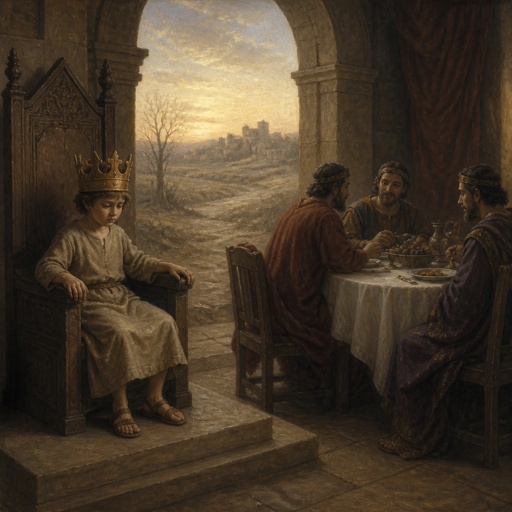
"¶ Woe to thee, O land, when thy king is a child, and thy princes eat in the morning!" - Ecclesiastes 10:16

Ecclesiastes 2:22 - "For what hath man of all his labour, and of the vexation of his heart, wherein he hath laboured under the sun?"

Ecclesiastes 2:20 - "Therefore I went about to cause my heart to despair of all the labour which I took under the sun."

Ecclesiastes 2:1 - "I said in mine heart, Go to now, I will prove thee with mirth, therefore enjoy pleasure: and, behold, this also is vanity."