The Vanity of Life: Reflections on Ecclesiastes 3:19
"For that which befalleth the sons of men befalleth beasts; even one thing befalleth them: as the one dieth, so dieth the other; yea, they have all one breath; so that a man hath no preeminence above a beast: for all is vanity." - Ecclesiastes 3:19
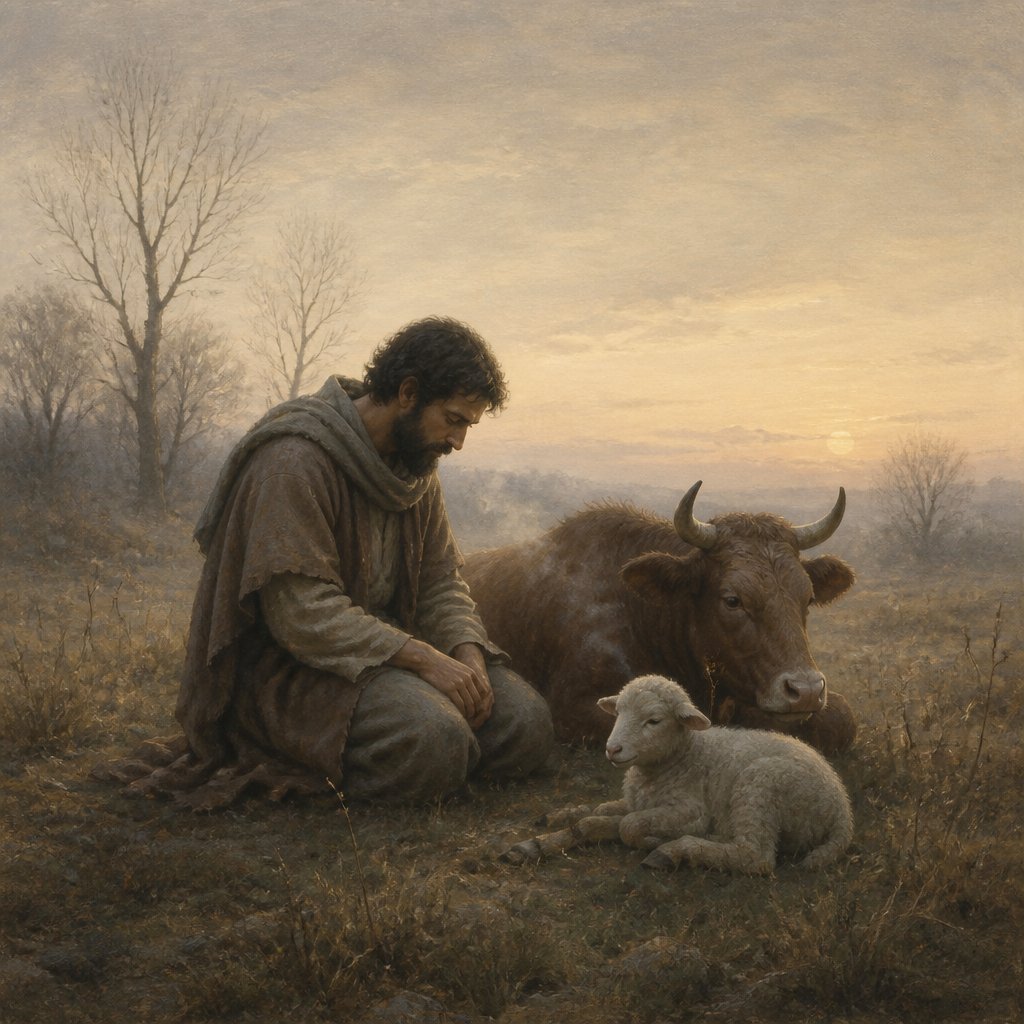
Ecclesiastes 3:19 beautifully encapsulates the futility and common fate shared by humanity and the animal kingdom. The verse states, "For that which befalleth the sons of men befalleth beasts; even one thing befalleth them: as the one dieth, so dieth the other; yea, they have all one breath; so that a man hath no preeminence above a beast: for all is vanity." This proclamation from the author of Ecclesiastes distracts us from our ambition and arrogance, illustrating a profound truth about existence.
### Considering Our Temporary State
The nature of life is strikingly temporary. Regardless of whether we are kings or commoners, our paths lead to the same destination: death. We labor tirelessly to carve out our legacies, accumulate wealth, and achieve greatness, but the reality is that we all share the elemental experience of mortality. In moments of quiet reflection, one might ask, "What is the purpose of our toil and struggles in a world where ultimately, we are no different from the creatures we tread upon?" Such questions can elicit feelings of discontent and despair, but they can also lead to a deeper understanding of our place in the cosmos.
### The Lessons of Nature
Nature itself serves as a poignant reminder of the briefness of life. In observing the cycles of life and death in the animal kingdom, one can draw inspiration. Animals live with an instinct and navigational order that is often missing in human pursuits. The danish poet Hans Christian Andersen noted, "Life itself is the most wonderful fairy tale." Yet, this fairy tale is not exempt from pain and suffering. The lion hunts, the rabbit escapes, and yet both will meet their end. In this great tapestry, woven by the Creator, we learn about our interconnectedness and shared fate.
### The Challenge of Vanity
The phrase "for all is vanity" is an injunction against pride and self-importance. In our attempts to ascend the social hierarchy or gain recognition, we may fall into the trap of thinking ourselves superior. Ecclesiastes challenges this view, indicating that worldly fame and status are fleeting illusions. Just as we witness the swift decline of once-majestic creatures and the rise of the forgotten, our own human achievements will also fade into the obscurity of dust.
### Embracing Our Shared Humanity
However, this truth does not belittle our humanity. Instead, it should liberate us from the burden of comparison and competition. On this level ground, every human is equal, and every life is precious. We bear the divine image, regardless of how we measure our success or failures. Embracing humility amidst the acknowledgment of our shared fate fosters a community founded on love and mercy rather than ambition and rivalry. We are called not to boast in our achievements but to celebrate the breath of life, shared by man and beast alike, as a precious gift from above.
### Finding Meaning in the Present
If all is vanity, the true challenge lies in how we respond. Ecclesiastes isn't merely stating a fact; it's inviting us to wrestle with how we derive meaning in our short lives. It beckons us to focus on relationships rather than achievements, on experiences rather than possessions, and on love rather than status. Each breath we take can be a reminder to cherish the moments spent with others, the beauty found in nature, and the endless grace extended by our Creator.
### Conclusion: A Call to Reflection
Let this verse from Ecclesiastes guide you in your daily life, encouraging you to pause and reflect on what truly matters. As we navigate the complexities of existence, may we do so with the wisdom of understanding our temporal state, finding joy in connection, and living out our days with purpose and gratitude. In recognizing that we are all made from the same breath, let us nurture compassion towards one another, ensuring that amidst life's vanities, we cultivate partnerships that uplift rather than compete. Our legacy may not lie in greatness, but in our love and impact on those who share this journey with us.
Want to reflect more on Ecclesiastes 3:19?
Continue your spiritual journey with Bible Chat — an AI-powered tool for exploring God's Word through conversation. Ask questions, discover connections, and deepen your understanding.
Get Our Apps


Ecclesiastes 3:19 Artwork

Ecclesiastes 3:19 - "For that which befalleth the sons of men befalleth beasts; even one thing befalleth them: as the one dieth, so dieth the other; yea, they have all one breath; so that a man hath no preeminence above a beast: for all is vanity."
"For that which befalleth the sons of men befalleth beasts; even one thing befalleth them: as the one dieth, so dieth the other; yea, they have all one breath; so that a man hath no preeminence above a beast: for all is vanity." - Ecclesiastes 3:19

Ecclesiastes 3:1

Ecclesiastes 3:7-8

Ecclesiastes 3:3 - "A time to kill, and a time to heal; a time to break down, and a time to build up;"

Ecclesiastes 7:19 - "Wisdom strengtheneth the wise more than ten mighty men which are in the city."

Ecclesiastes 10:19 - "¶ A feast is made for laughter, and wine maketh merry: but money answereth all things."

Ecclesiastes 3:1 – "There is a time for everything, and a season for every activity under the heavens."

Ecclesiastes 3:9 - "What profit hath he that worketh in that wherein he laboureth?"

Ecclesiastes 3:1 - "To every thing there is a season, and a time to every purpose under the heaven:"

Ecclesiastes 3:4 - "A time to weep, and a time to laugh; a time to mourn, and a time to dance;"

Ecclesiastes 3:8 - "A time to love, and a time to hate; a time of war, and a time of peace."

Ecclesiastes 3:6 - "A time to get, and a time to lose; a time to keep, and a time to cast away;"

Ecclesiastes 7:3 - "Sorrow is better than laughter: for by the sadness of the countenance the heart is made better."

Ecclesiastes 3:7 - "A time to rend, and a time to sew; a time to keep silence, and a time to speak;"

Ecclesiastes 3:21 - "Who knoweth the spirit of man that goeth upward, and the spirit of the beast that goeth downward to the earth?"

Ecclesiastes 3:2 - "A time to be born, and a time to die; a time to plant, and a time to pluck up that which is planted;"

Ecclesiastes 3:16 - "¶ And moreover I saw under the sun the place of judgment, that wickedness was there; and the place of righteousness, that iniquity was there."

Ecclesiastes 3:20 - "All go unto one place; all are of the dust, and all turn to dust again."

Ecclesiastes 3:12 - "I know that there is no good in them, but for a man to rejoice, and to do good in his life."

Ecclesiastes 5:3 - "For a dream cometh through the multitude of business; and a fool's voice is known by multitude of words."

Ecclesiastes 1:3 - "What profit hath a man of all his labour which he taketh under the sun?"

Ecclesiastes 3:15 - "That which hath been is now; and that which is to be hath already been; and God requireth that which is past."

Ecclesiastes 3:10 - "I have seen the travail, which God hath given to the sons of men to be exercised in it."

Ecclesiastes 3:13 - "And also that every man should eat and drink, and enjoy the good of all his labour, it is the gift of God."

Ecclesiastes 3:1 – "There is a time for everything, and a season for every activity under the heavens." r

Ecclesiastes 3:17 - "I said in mine heart, God shall judge the righteous and the wicked: for there is a time there for every purpose and for every work."

Ecclesiastes 3:5 - "A time to cast away stones, and a time to gather stones together; a time to embrace, and a time to refrain from embracing;"

Ecclesiastes 8:3 - "Be not hasty to go out of his sight: stand not in an evil thing; for he doeth whatsoever pleaseth him."
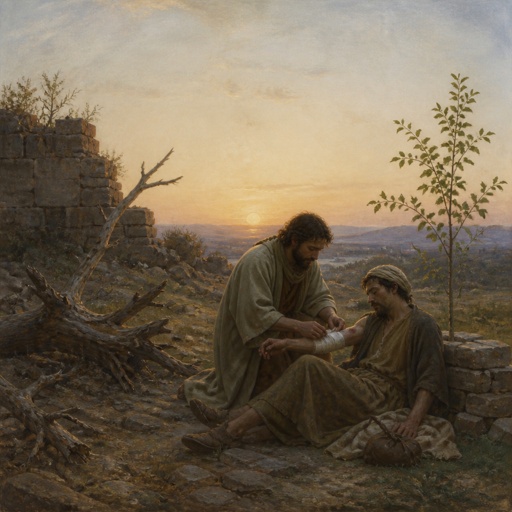
"A time to kill, and a time to heal; a time to break down, and a time to build up;" - Ecclesiastes 3:3