The Silent Wisdom of the Dead: A Reflection on Life and Legacy
"Wherefore I praised the dead which are already dead more than the living which are yet alive." - Ecclesiastes 4:2
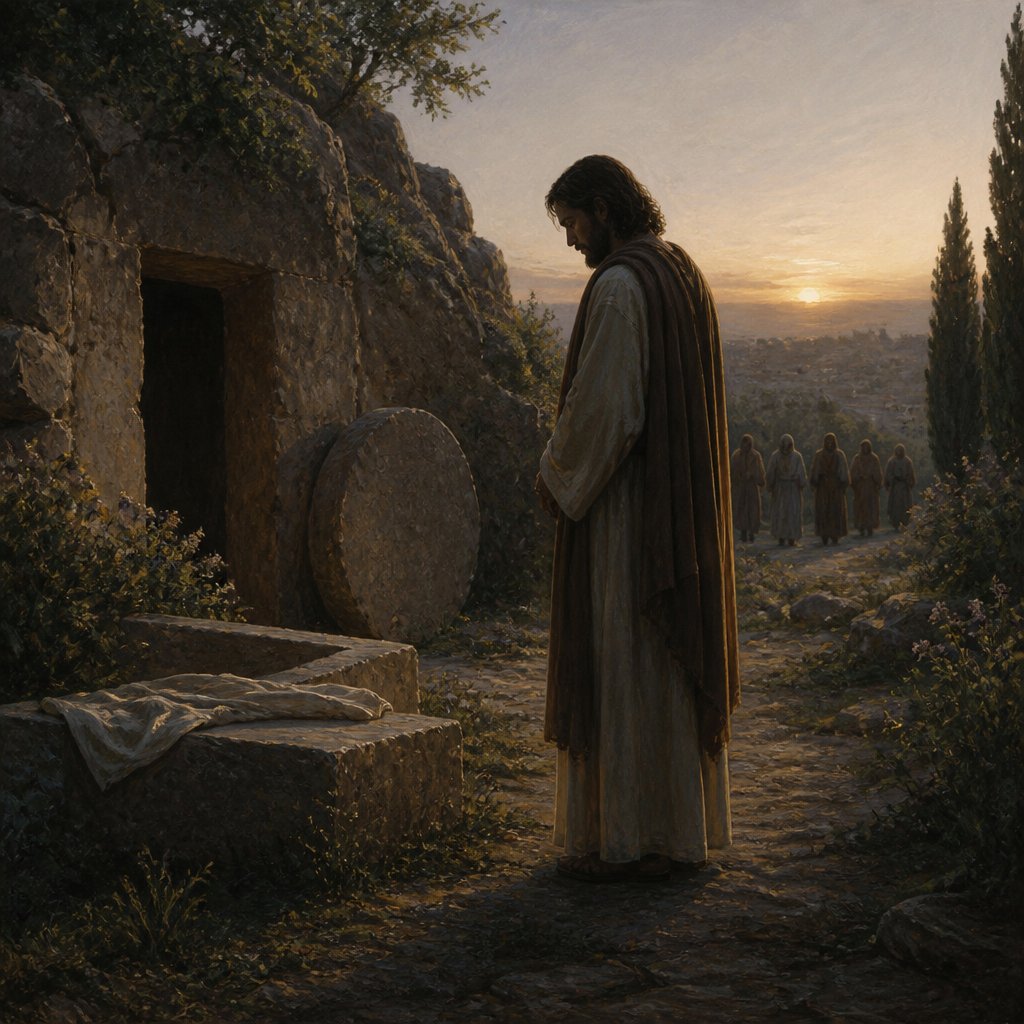
As we traverse the complexities of life, we often find ourselves pondering the transient nature of existence. The poignant truth of these reflections is captured in the book of Ecclesiastes, particularly in Ecclesiastes 4:2: "Wherefore I praised the dead which are already dead more than the living which are yet alive." This verse invites us to delve into the profound thoughts on mortality, purpose, and the legacy we leave behind, urging us to reassess the values by which we live.
The author of Ecclesiastes, traditionally attributed to King Solomon, has often been labeled as a "seeker of truth." He offers a candid commentary on life's meaning, emphasizing the pervasive nature of futility in earthly pursuits. In Ecclesiastes 4:2, we find a stark claim: he praises the dead who have already completed their earthly journey over those still enmeshed in the struggles of life. At first glance, this sentiment may seem morose or despairing, yet it unveils an invitation to consider the depths of human experience and the often unappreciated wisdom that comes from contemplating mortality.
The verse evokes a deep admiration for those who have passed away, not merely because they are free from life's pains and burdens, but because they have settled into eternity. The dead have transcended the struggles that occupy our waking hours; they have completed their tasks, finished their stories, and rest with their legacies intact. In acknowledging their completion, we recognize that death—the inevitable end of life’s chapter—offers a perspective that life, in its fast-paced turmoil, often obscures.
There is an inherent irony in praising the dead. While the living are absorbed in striving for material success, social recognition, or self-gratification, the departed embody the fulfillment of purpose. They remind us that success is not about accolades or possessions but rather the marks we leave on those we love and the impact we have on the world around us. In essence, the verse suggests that those who have lived fully and honestly—though they have succumbed to physical death—gain a form of permanence that outlives their earthly existence.
From a spiritual perspective, this verse invites us to reflect on what truly constitutes a life well-lived. It calls us to evaluate our priorities: Are we accumulating wealth and status, or are we investing in relationships and acts of kindness? Are we accumulating knowledge for the sake of pride, or are we using our gifts to uplift others? The dead may offer us a silent rebuke of our distractions, urging us to consider how we want to be remembered.
As we engage in this contemplation, let us also remember that life is a journey meant to be cherished daily. While we may praise the dead for their peace, we should also aspire to embody the virtues that they have left behind. We can honor their memories by living with authenticity and purpose, by being present in our relationships, and by serving those in need. Our living years, however fleeting, hold the potential to be rich in meaning if we choose to live consciously rather than passively.
In our busy lives, let us be inspired by the wisdom of the dead not to despair at the inevitable end but to find urgency in living well. Let us remind ourselves that each day is an opportunity to cultivate a legacy—one that can inspire, uplift, and endure beyond our years.
Ultimately, Ecclesiastes 4:2 does not seek to glorify death nor diminish life; it provides perspective. It emphasizes the importance of legacy, and it whispers to us that every breath we take is an invitation to live in a manner that will one day invite such admiration as that given to the dead. Let us strive, then, to be the kind of people whose lives will be celebrated and whose legacies will endure, learning from those who have come before us while passionately embracing the life we have now.
Want to reflect more on Ecclesiastes 4:2?
Continue your spiritual journey with Bible Chat — an AI-powered tool for exploring God's Word through conversation. Ask questions, discover connections, and deepen your understanding.
Get Our Apps


Ecclesiastes 4:2 Artwork

Ecclesiastes 4:2 - "Wherefore I praised the dead which are already dead more than the living which are yet alive."
"Wherefore I praised the dead which are already dead more than the living which are yet alive." - Ecclesiastes 4:2

Ecclesiastes 2:4 - "I made me great works; I builded me houses; I planted me vineyards:"

Ecclesiastes 4:7 - "Then I returned, and I saw vanity under the sun."

Ecclesiastes 3:4 - "A time to weep, and a time to laugh; a time to mourn, and a time to dance;"

Ecclesiastes 4:4 - "¶ Again, I considered all travail, and every right work, that for this a man is envied of his neighbour. This is also vanity and vexation of spirit."

Ecclesiastes 7:4 - "The heart of the wise is in the house of mourning; but the heart of fools is in the house of mirth."

Ecclesiastes 4:5 - "The fool foldeth his hands together, and eateth his own flesh."
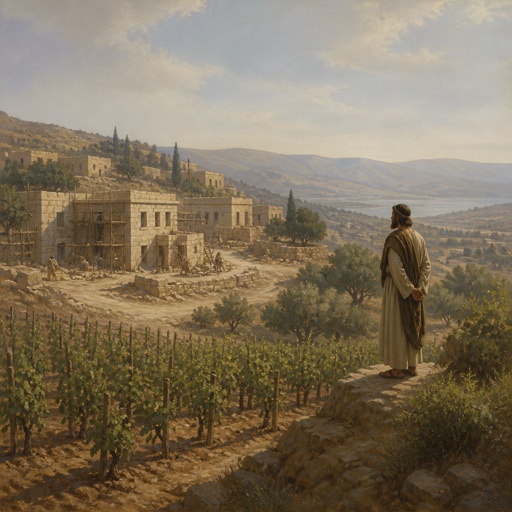
"I made me great works; I builded me houses; I planted me vineyards:" - Ecclesiastes 2:4

Ecclesiastes 2:2 - "I said of laughter, It is mad: and of mirth, What doeth it?"

Ecclesiastes 4:9 - "¶ Two are better than one; because they have a good reward for their labour."

Ecclesiastes 6:4 - "For he cometh in with vanity, and departeth in darkness, and his name shall be covered with darkness."

Ecclesiastes 1:4 - "One generation passeth away, and another generation cometh: but the earth abideth for ever."

ecclesiastes 12:2-6

Ecclesiastes 4:6 - "Better is an handful with quietness, than both the hands full with travail and vexation of spirit."

Ecclesiastes 11:4 - "He that observeth the wind shall not sow; and he that regardeth the clouds shall not reap."

Ecclesiastes 9:4 - "¶ For to him that is joined to all the living there is hope: for a living dog is better than a dead lion."

Ecclesiastes 4:13 - "¶ Better is a poor and a wise child than an old and foolish king, who will no more be admonished."

Ecclesiastes 4:11 - "Again, if two lie together, then they have heat: but how can one be warm alone?"

Ecclesiastes 8:4 - "Where the word of a king is, there is power: and who may say unto him, What doest thou?"

Ecclesiastes 4:12 - "And if one prevail against him, two shall withstand him; and a threefold cord is not quickly broken."

Ecclesiastes 4:14 - "For out of prison he cometh to reign; whereas also he that is born in his kingdom becometh poor."

Ecclesiastes 10:4 - "If the spirit of the ruler rise up against thee, leave not thy place; for yielding pacifieth great offences."

Ecclesiastes 1:2 - "Vanity of vanities, saith the Preacher, vanity of vanities; all is vanity."

Ecclesiastes 4:15 - "I considered all the living which walk under the sun, with the second child that shall stand up in his stead."

Ecclesiastes 2:13 - "Then I saw that wisdom excelleth folly, as far as light excelleth darkness."

Ecclesiastes 8:2 - "I counsel thee to keep the king's commandment, and that in regard of the oath of God."

Ecclesiastes 4:3 - "Yea, better is he than both they, which hath not yet been, who hath not seen the evil work that is done under the sun."

"Then I returned, and I saw vanity under the sun." - Ecclesiastes 4:7

Ecclesiastes 3:2 - "A time to be born, and a time to die; a time to plant, and a time to pluck up that which is planted;"