The Power of Togetherness: Finding Purpose Beyond Wealth
“There is one alone, and there is not a second; yea, he hath neither child nor brother: yet is there no end of all his labour; neither is his eye satisfied with riches; neither saith he, For whom do I labour, and bereave my soul of good? This is also vanity, yea, it is a sore travail. Two are better than one; because they have a good reward for their labour. For if they fall, the one will lift up his fellow: but woe to him that is alone when he falleth; for he hath not another to help him up.” — Ecclesiastes 4:8-10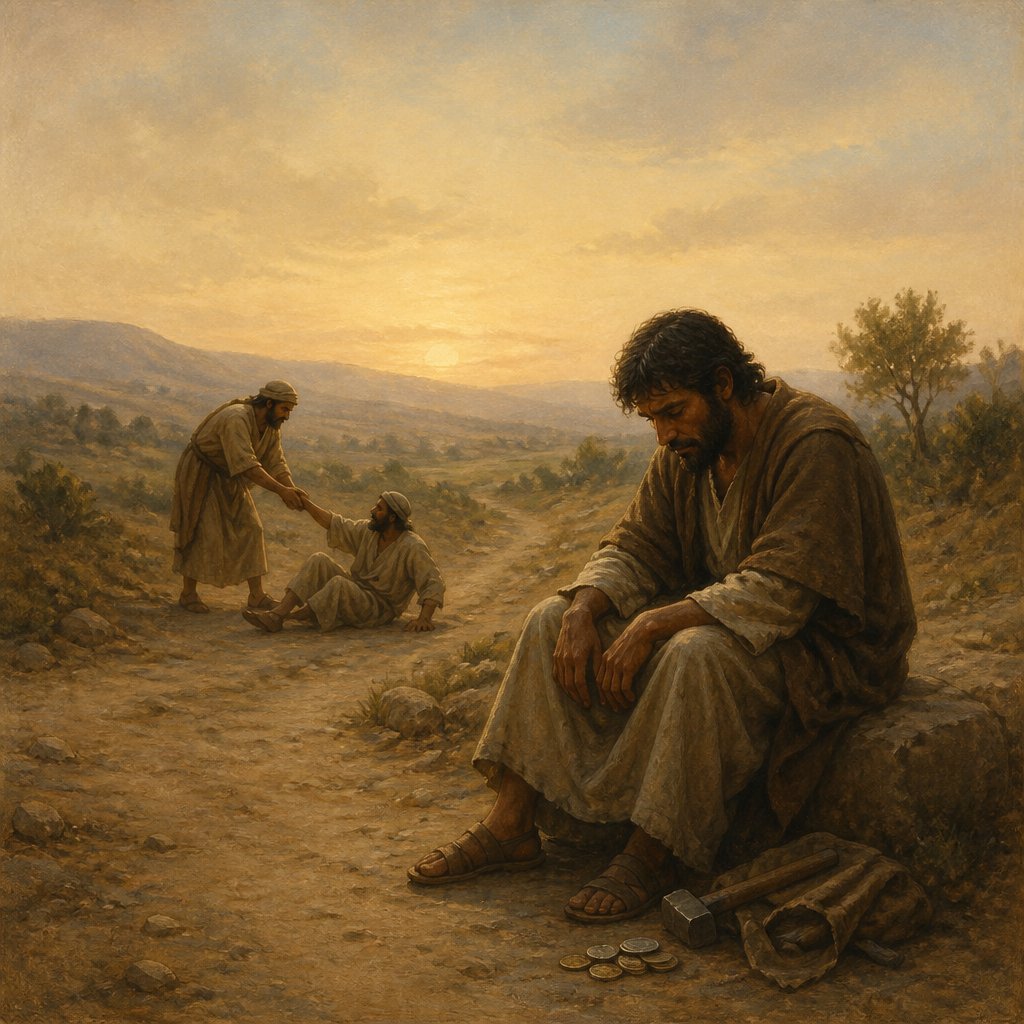
In the book of Ecclesiastes, we are faced with a sobering reality articulated by the preacher, who offers profound insights into the human condition. Ecclesiastes 4:8-10 (KJV) states: "There is one alone, and there is not a second; yea, he hath neither child nor brother: yet is there no end of all his labour; neither is his eye satisfied with riches; neither saith he, For whom do I labour, and bereave my soul of good? This is also vanity, yea, it is a sore travail. Two are better than one; because they have a good reward for their labour. For if they fall, the one will lift up his fellow: but woe to him that is alone when he falleth; for he hath not another to help him up."
In these verses, the writer examines the futility of a solitary existence, illustrating a life consumed by endless toil without relational connection or purpose. A poignant image is presented here—an individual who works tirelessly yet remains unfulfilled. The lament is clear: wealth alone does not satisfy, and achievements ring hollow when there is no one to share them with. This reflection is not merely an observation but a caution against a life isolated from community and relationship.
In our fast-paced modern world, it is all too easy to fall into the trap of thinking that personal success is all that matters. We strive diligently for our ambitions, believing that if we achieve a certain status or accumulate enough possessions, we will find fulfillment. However, the preacher in Ecclesiastes reveals a harsh truth: without companionship, riches can feel like a chaining burden rather than a blessing. He speaks of the solitary person, devoid of family ties, who toils endlessly without the joy of achievement shared with others. The fundamental question looms large: Who is it all for?
We live in a society that often celebrates independence and self-sufficiency, but the wisdom of Ecclesiastes stands in stark contrast to this narrative. The passage conveys a profound truth about interdependence; it highlights an intrinsic need for connection and support. "Two are better than one; because they have a good reward for their labour." Here, the preacher emphasizes the shared joy and multiplied productivity that come from working together. When we engage in partnership, we invite cooperation and mutual encouragement into our lives.
Relationships are not just social luxuries; they are necessary for our emotional survival. The acknowledgment that, "if they fall, the one will lift up his fellow," serves as a reminder of our vulnerability and the reality of life's challenges. No man is an island; we all face trials and tribulations. In those moments of struggle, having someone to lift us up becomes invaluable.
Consider the powerful imagery of a person who has stumbled. Alone, they remain in grief, possibly feeling defeated and unable to rise. Yet, with a friend or partner by their side, they have a source of strength. This partnership is not limited to physical support; it extends to emotional and spiritual encouragement as well. Just as iron sharpens iron, one person can encourage, uplift, and challenge another to grow.
This concept is not merely about having people around us; it’s about intentionally fostering those relationships that lift our spirits and enrich our lives. Think of the value in shared experiences—celebrating joys together and distributing burdens in times of struggle. Riches might come and go, but the bonds we build and the love we cultivate are what truly matter in life.
Ultimately, the passage brings us back to the heart of the Gospel—the call to love one another. In community, we find our purpose and meaning, reflecting the nature of God who exists in a relationship within the Trinity. As we nurture our relationships, we fulfill the divine design for connection—a beautiful tapestry of shared labor, love, and life. Let us strive to be the kind of friends who lift each other up and serve together in this world, echoing the wisdom of Ecclesiastes as we lean into the strength of togetherness.
Get our apps


Artwork for Ecclesiastes 4:8-10

Ecclesiastes 4:8-10 - "There is one alone, and there is not a second; yea, he hath neither child nor brother: yet is there no end of all his labour; neither is his eye satisfied with riches; neither saith he, For whom do I labour, and bereave my soul of good? This is also vanity, yea, it is a sore travail. Two are better than one; because they have a good reward for their labour. For if they fall, the one will lift up his fellow: but woe to him that is alone when he falleth; for he hath not another to help him up."
"There is one alone, and there is not a second; yea, he hath neither child nor brother: yet is there no end of all his labour; neither is his eye satisfied with riches; neither saith he, For whom do I labour, and bereave my soul of good? This is also vanity, yea, it is a sore travail. Two are better than one; because they have a good reward for their labour. For if they fall, the one will lift up his fellow: but woe to him that is alone when he falleth; for he hath not another to help him up." - Ecclesiastes 4:8-10

Ecclesiastes 10:8 - "He that diggeth a pit shall fall into it; and whoso breaketh an hedge, a serpent shall bite him."

Ecclesiastes 8:4 - "Where the word of a king is, there is power: and who may say unto him, What doest thou?"

Ecclesiastes 10:4 - "If the spirit of the ruler rise up against thee, leave not thy place; for yielding pacifieth great offences."

Ecclesiastes 4:10 - "For if they fall, the one will lift up his fellow: but woe to him that is alone when he falleth; for he hath not another to help him up."

Ecclesiastes 8:10 - "And so I saw the wicked buried, who had come and gone from the place of the holy, and they were forgotten in the city where they had so done: this is also vanity."

"Two are better than one, because they have a good return for their labor: If either of them falls down, one can help the other up. But pity anyone who falls and has no one to help them up." - Ecclesiastes 4:9-10

"He that diggeth a pit shall fall into it; and whoso breaketh an hedge, a serpent shall bite him." - Ecclesiastes 10:8

ecclesiastes 12:1-8

"Where the word of a king is, there is power: and who may say unto him, What doest thou?" - Ecclesiastes 8:4

ecclesiastes 12:1-8

ecclesiastes 12:1-8

ecclesiastes 12:1-8

Ecclesiastes 3:7-8

ecclesiastes 12:1-8

Ecclesiastes 4:9-10 - "Two are better than one, because they have a good return for their labor: If either of them falls down, one can help the other up. But pity anyone who falls and has no one to help them up."

Ecclesiastes 12:8 - "¶ Vanity of vanities, saith the preacher; all is vanity."
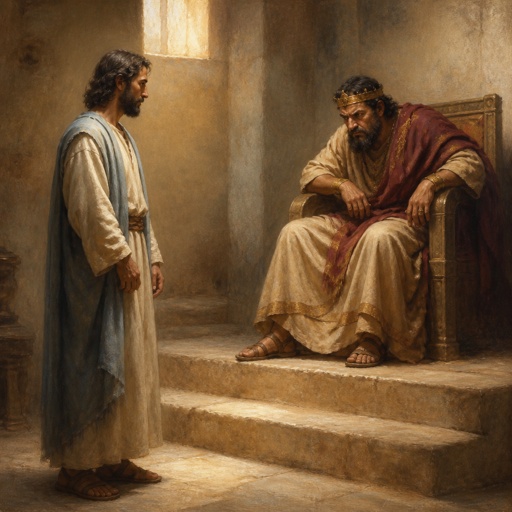
"If the spirit of the ruler rise up against thee, leave not thy place; for yielding pacifieth great offences." - Ecclesiastes 10:4

Ecclesiastes 10:10 - "If the iron be blunt, and he do not whet the edge, then must he put to more strength: but wisdom is profitable to direct."

Ecclesiastes 3:8 - "A time to love, and a time to hate; a time of war, and a time of peace."

Ecclesiastes 10:6 - "Folly is set in great dignity, and the rich sit in low place."

Ecclesiastes 10:11 - "Surely the serpent will bite without enchantment; and a babbler is no better."

Ecclesiastes 8:2 - "I counsel thee to keep the king's commandment, and that in regard of the oath of God."

Ecclesiastes 4:7 - "Then I returned, and I saw vanity under the sun."

Ecclesiastes 8:7 - "For he knoweth not that which shall be: for who can tell him when it shall be?"

Ecclesiastes 10:18 - "¶ By much slothfulness the building decayeth; and through idleness of the hands the house droppeth through."

Ecclesiastes 10:19 - "¶ A feast is made for laughter, and wine maketh merry: but money answereth all things."

Ecclesiastes 3:4 - "A time to weep, and a time to laugh; a time to mourn, and a time to dance;"

Ecclesiastes 4:8 - "There is one alone, and there is not a second; yea, he hath neither child nor brother: yet is there no end of all his labour; neither is his eye satisfied with riches; neither saith he, For whom do I labour, and bereave my soul of good? This is also vanity, yea, it is a sore travail."