Finding Rest in the Quiet of Existence
“Moreover he hath not seen the sun, nor known any thing: this hath more rest than the other.” — Ecclesiastes 6:5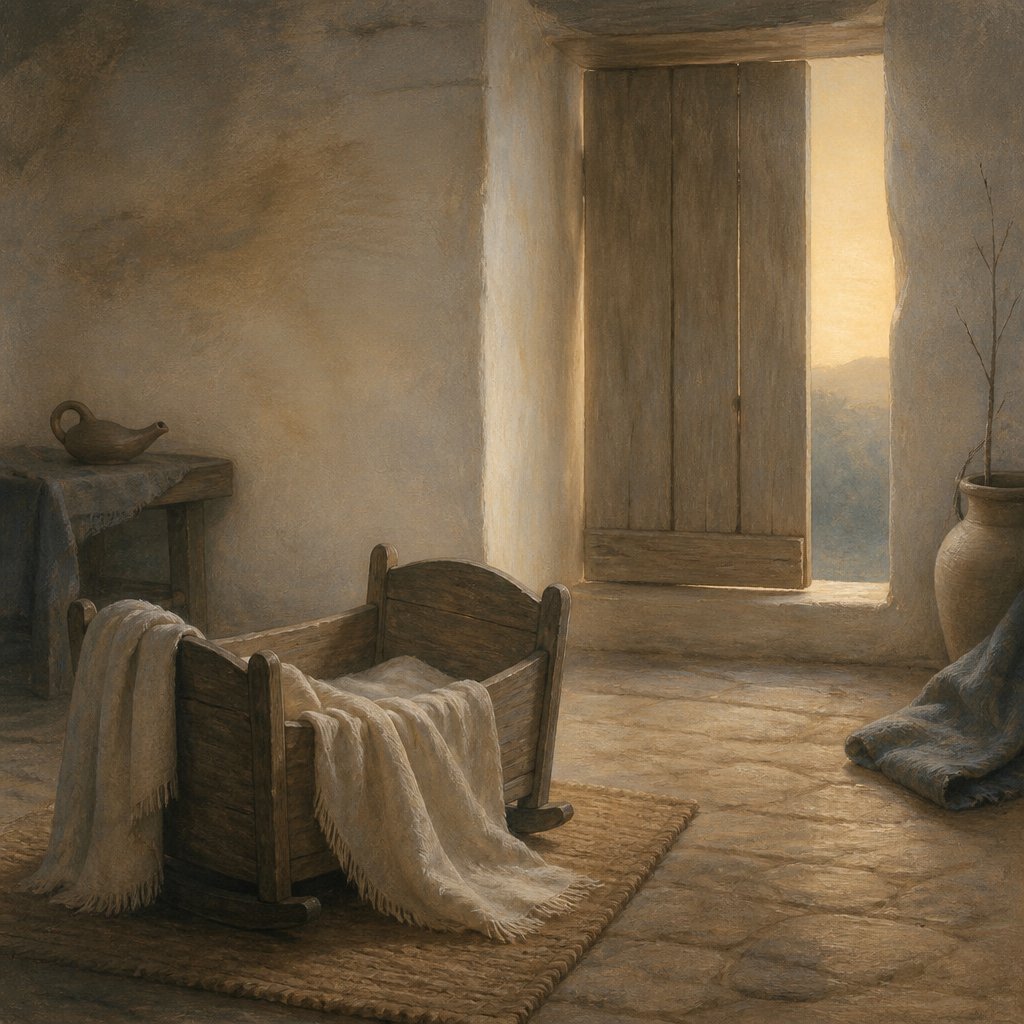
Ecclesiastes 6:5, as rendered in the King James Version, states, "Moreover he hath not seen the sun, nor known any thing: this hath more rest than the other." This verse, though simple on the surface, opens a window into profound aspects of life and existence. It captures the essence of rest, ignorance, and human experiences that often evade recognition in our busyness.
The author of Ecclesiastes, traditionally believed to be King Solomon, reflects on the nature of life, where he grapples with the futility of striving after the wind. This chapter brings forth a sobering insight into the lives of those who lack even the most basic experiences and knowledge of the world. By stating that the one who "hath not seen the sun" is in a state of greater rest than someone burdened with knowledge and existence, Solomon invites us to examine the tensions between awareness and ignorance, fulfillment and emptiness, life and true living.
In a world that celebrates achievement, knowledge, and success, we often overlook the value of simplicity and rest. How many of us can say that we find peace in the chaos of our lives? Against the backdrop of relentless pursuits—financial stability, career aspirations, social recognition—this verse proposes a radical re-evaluation of our priorities. Could it be that in seeking fulfillment through worldly means, we have inadvertently burdened ourselves with excessive knowledge and expectations?
When we consider the person who "hath not seen the sun," we might interpret them as symbolic of those who exist on the fringes of society—perhaps the poor, the uneducated, or the disenfranchised. Yet, there is an irony encapsulated within this image; those who lack the enlightenment that the sun brings, metaphorically speaking, possess a kind of restful existence free from the demands of societal expectations. They do not grasp the harsh realities, and in this ignorance, they perhaps rise above the distress of daily struggle for success and validation. This drives us to a deeper understanding of what it means to truly rest.
In our spiritual journey, we may find ourselves overwhelmed by the quest for more knowledge about God, scripture, and doctrine. However, the essence of our faith is rooted not in the accumulation of such knowledge, but in the ability to rest in God's presence, accepting His grace and mercy. Jesus invites us to this rest when He says in Matthew 11:28, "Come unto me, all ye that labour and are heavy laden, and I will give you rest." Just as the one who has not seen the sun is untouched by the complexities of life, so we are called to a simpler, profound truth of resting in Him.
In placing our trust in God, we begin to let go of the constant striving and pressure to know or do more. We start to appreciate the moments of stillness, enabling us to experience the fullness of life uncorrupted by fear and worry. Like the unknowing individual in Ecclesiastes, we can find solace in embracing the mystery of faith, where resting in God transcends understanding.
As we meditate on this verse, let us ask ourselves: Are we seeking fulfillment through endless pursuits, or are we willing to embrace the restful peace that comes from relinquishing our knowledge and expectations? In the quietude of understanding that we are loved and accepted as we are, we discover a deeper appreciation of life and a restful heart secure in Christ. Embrace this rest, for it is more than existence—it is life abundant.
Get our apps


Artwork for Ecclesiastes 6:5

Ecclesiastes 6:5 - "Moreover he hath not seen the sun, nor known any thing: this hath more rest than the other."
"Moreover he hath not seen the sun, nor known any thing: this hath more rest than the other." - Ecclesiastes 6:5

Ecclesiastes 5:6 - "Suffer not thy mouth to cause thy flesh to sin; neither say thou before the angel, that it was an error: wherefore should God be angry at thy voice, and destroy the work of thine hands?"

Ecclesiastes 5:5 - "Better is it that thou shouldest not vow, than that thou shouldest vow and not pay."

ecclesiastes 12:2-6

Ecclesiastes 10:6 - "Folly is set in great dignity, and the rich sit in low place."

Ecclesiastes 6:7 - "All the labour of man is for his mouth, and yet the appetite is not filled."

Ecclesiastes 5:9 - "¶ Moreover the profit of the earth is for all: the king himself is served by the field."

Ecclesiastes 4:5 - "The fool foldeth his hands together, and eateth his own flesh."

Ecclesiastes 3:6 - "A time to get, and a time to lose; a time to keep, and a time to cast away;"

Ecclesiastes 6:11 - "¶ Seeing there be many things that increase vanity, what is man the better?"

Ecclesiastes 7:5 - "It is better to hear the rebuke of the wise, than for a man to hear the song of fools."

Ecclesiastes 5:7 - "For in the multitude of dreams and many words there are also divers vanities: but fear thou God."

Ecclesiastes 6:9 - "¶ Better is the sight of the eyes than the wandering of the desire: this is also vanity and vexation of spirit."

Ecclesiastes 6:1 - "There is an evil which I have seen under the sun, and it is common among men:"

Ecclesiastes 6:4 - "For he cometh in with vanity, and departeth in darkness, and his name shall be covered with darkness."

Ecclesiastes 7:6 - "For as the crackling of thorns under a pot, so is the laughter of the fool: this also is vanity."

Ecclesiastes 5:3 - "For a dream cometh through the multitude of business; and a fool's voice is known by multitude of words."

Ecclesiastes 8:6 - "¶ Because to every purpose there is time and judgment, therefore the misery of man is great upon him."

Ecclesiastes 4:6 - "Better is an handful with quietness, than both the hands full with travail and vexation of spirit."

Ecclesiastes 6:6 - "¶ Yea, though he live a thousand years twice told, yet hath he seen no good: do not all go to one place?"

Ecclesiastes 5:14 - "But those riches perish by evil travail: and he begetteth a son, and there is nothing in his hand."

Ecclesiastes 10:5 - "There is an evil which I have seen under the sun, as an error which proceedeth from the ruler:"

Ecclesiastes 2:5 - "I made me gardens and orchards, and I planted trees in them of all kind of fruits:"

Ecclesiastes 2:6 - "I made me pools of water, to water therewith the wood that bringeth forth trees:"

"Better is it that thou shouldest not vow, than that thou shouldest vow and not pay." - Ecclesiastes 5:5

Ecclesiastes 1:5 - "The sun also ariseth, and the sun goeth down, and hasteth to his place where he arose."

Ecclesiastes 5:10 - "He that loveth silver shall not be satisfied with silver; nor he that loveth abundance with increase: this is also vanity."

Ecclesiastes 5:13 - "There is a sore evil which I have seen under the sun, namely, riches kept for the owners thereof to their hurt."

Ecclesiastes 5:17 - "All his days also he eateth in darkness, and he hath much sorrow and wrath with his sickness."