Fellow Citizens in the Household of God
“Now therefore ye are no more strangers and foreigners, but fellowcitizens with the saints, and of the household of God;” — Ephesians 2:19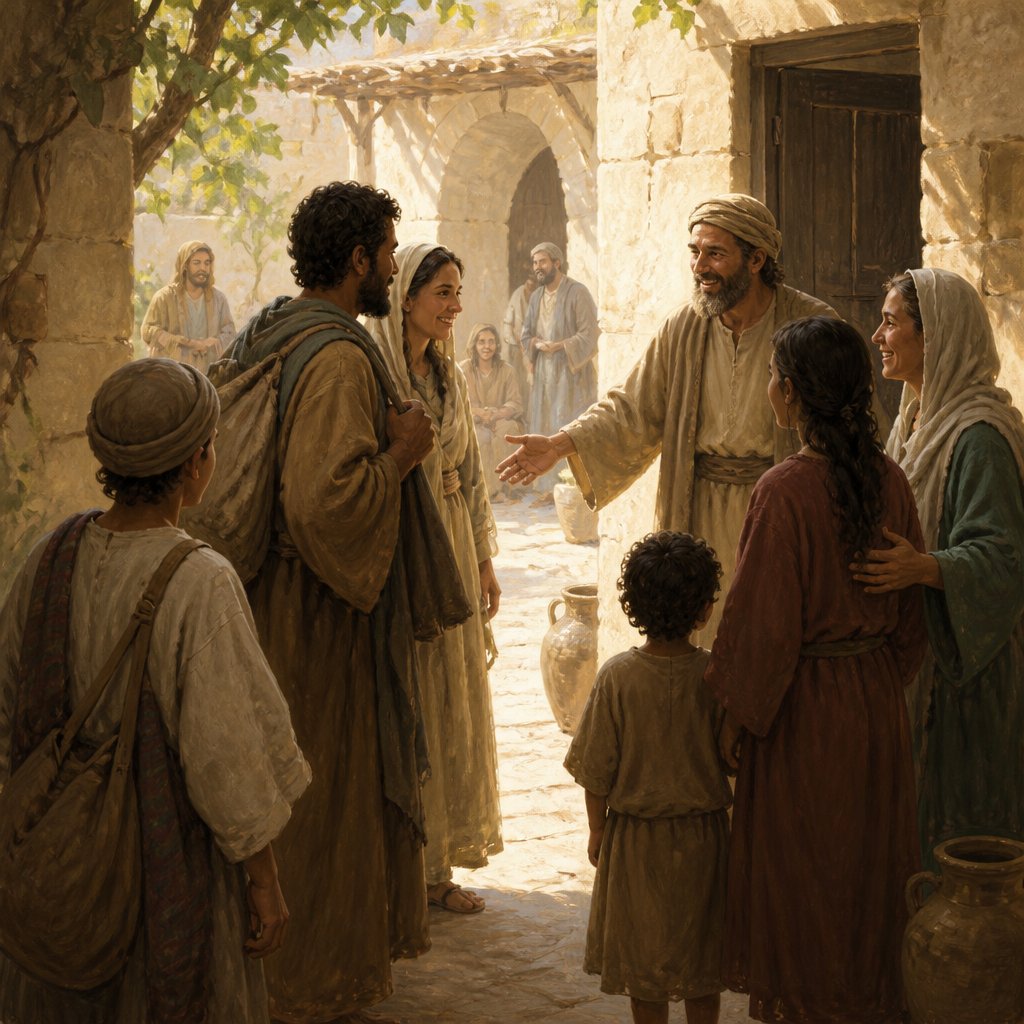
In the Book of Ephesians, the Apostle Paul writes to the believers in Ephesus, opening a window into the profound truth of their identity in Christ. Ephesians 2:19 declares, "Now therefore ye are no more strangers and foreigners, but fellowcitizens with the saints, and of the household of God." This verse encapsulates the transformative power of being invited into the family of God, a profound shift from alienation to belonging.
To understand the depth of this statement, we must consider the context of Paul’s audience. Many of the readers had previously been “strangers and foreigners” — those who were once separated from the commonwealth of Israel. They lived outside the promises and covenant of the God of Israel. Paul himself, a Jew, had a unique perspective on this shift. He had experienced the grace of God firsthand, transitioning from a persecutor of Christians to a passionate advocate for the gospel. He spoke with authority not just as a teacher but as someone who had traversed the very borders between alienation and belonging.
The term "strangers" in this verse denotes individuals who are not part of the community or household. They are those who are unrecognized, with no claims to citizenship or rights. Likewise, "foreigners" emphasizes a state of being outsiders without any privileges or protection. However, the beauty of God’s redemptive plan is revealed in this simple yet profound transition to becoming “fellowcitizens.” The Greek word for fellowcitizen (sunpolites) combines the idea of shared citizenship and community. It implies those who possess equal status among a group, sharing the same rights and responsibilities.
The significance of identifying as “fellowcitizens with the saints” is immeasurable. In a society that often defines people by divisions—race, wealth, education, or religious affiliations—this verse calls us to unity. It reminds us that our identity is not rooted in our past or our circumstances but in God’s grace. By accepting Christ, we are brought into a new community wherein the only defining characteristic is our faith in Jesus. Furthermore, to be a fellowcitizen implies a shared purpose and mission. We are not mere residents; we are active participants in God’s Kingdom work on earth, called to reflect His love and glory.
Moreover, Paul extends this idea by introducing us to the "household of God." This phrase accentuates intimacy and relationship. A household is more than just a place where people dwell; it is a family unit that operates on love, support, and responsibility for one another. Believers are now part of a divine family that transcends earthly ties. Within the household of God, we discover our true identity as children of God—a status we can claim due to Christ’s sacrifice. This familial aspect of our faith journey should inspire us to care deeply for one another, as family members do.
As we reflect on our status as fellowcitizens and members of the household of God, let us live in the reality of this truth. This new identity should compel us to embrace all fellow believers, celebrating our unity while recognizing and valuing our individual gifts and callings. In our local churches and communities, let’s strive to foster environments where love, acceptance, and encouragement cultivate growth in our walk with Christ.
In closing, Ephesians 2:19 offers profound encouragement: we are no longer defined by our past or our shortcomings but instead anchored in Christ, fully integrated into His Kingdom. Let us hold onto this incredible gift of citizenship and family, embracing our role as representatives of God's love as we journey together toward eternity.
Get our apps


Artwork for Ephesians 2:19

Ephesians 2:19 - "Now therefore ye are no more strangers and foreigners, but fellowcitizens with the saints, and of the household of God;"
"Now therefore ye are no more strangers and foreigners, but fellowcitizens with the saints, and of the household of God;" - Ephesians 2:19

Ephesians 2:19-22 - "So then you are no longer strangers and aliens, but you are fellow citizens with the saints and members of the household of God, built on the foundation of the apostles and prophets, Christ Jesus himself being the cornerstone, in whom the whole structure, being joined together, grows into a holy temple in the Lord. In him you also are being built together into a dwelling place for God by the Spirit."
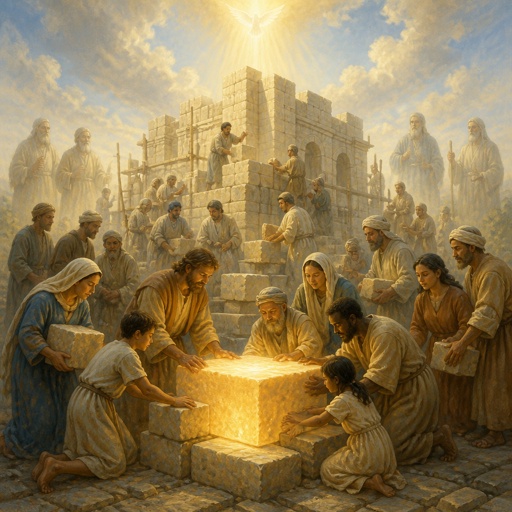
"So then you are no longer strangers and aliens, but you are fellow citizens with the saints and members of the household of God, built on the foundation of the apostles and prophets, Christ Jesus himself being the cornerstone, in whom the whole structure, being joined together, grows into a holy temple in the Lord. In him you also are being built together into a dwelling place for God by the Spirit." - Ephesians 2:19-22

Ephesians 5:19 - "Speaking to yourselves in psalms and hymns and spiritual songs, singing and making melody in your heart to the Lord;"

Ephesians 3:19 - "And to know the love of Christ, which passeth knowledge, that ye might be filled with all the fulness of God."

Acts 19:28 - "And when they heard these sayings, they were full of wrath, and cried out, saying, Great is Diana of the Ephesians."

Ephesians 2:8

Ephesians 2:22

Ephesians 2:22

Ephesians 2:22

Ephesians 2:22

Ephesians 2:10

Ephesians 2:22

Ephesians 2:22

Ephesians 2:10

Ephesians 2-10

Ephesians 2:10

Ephesians 2:22

Ephesians 2:22

Ephesians 2:22

Ephesians 2:10

Ephesians 1:19 - "And what is the exceeding greatness of his power to us-ward who believe, according to the working of his mighty power,"

Ephesians 4:19 - "Who being past feeling have given themselves over unto lasciviousness, to work all uncleanness with greediness."

Ephesians 6:19 - "And for me, that utterance may be given unto me, that I may open my mouth boldly, to make known the mystery of the gospel,"

Ephesians 4:1-2

Ephesians 2:8-9

Ephesians 4:1-2

Ephesians 4:1-2

Ephesians 4:1-2