The Watchful Love of Mordecai: A Reflection on Esther 2:11
“And Mordecai walked every day before the court of the women’s house, to know how Esther did, and what should become of her.” — Esther 2:11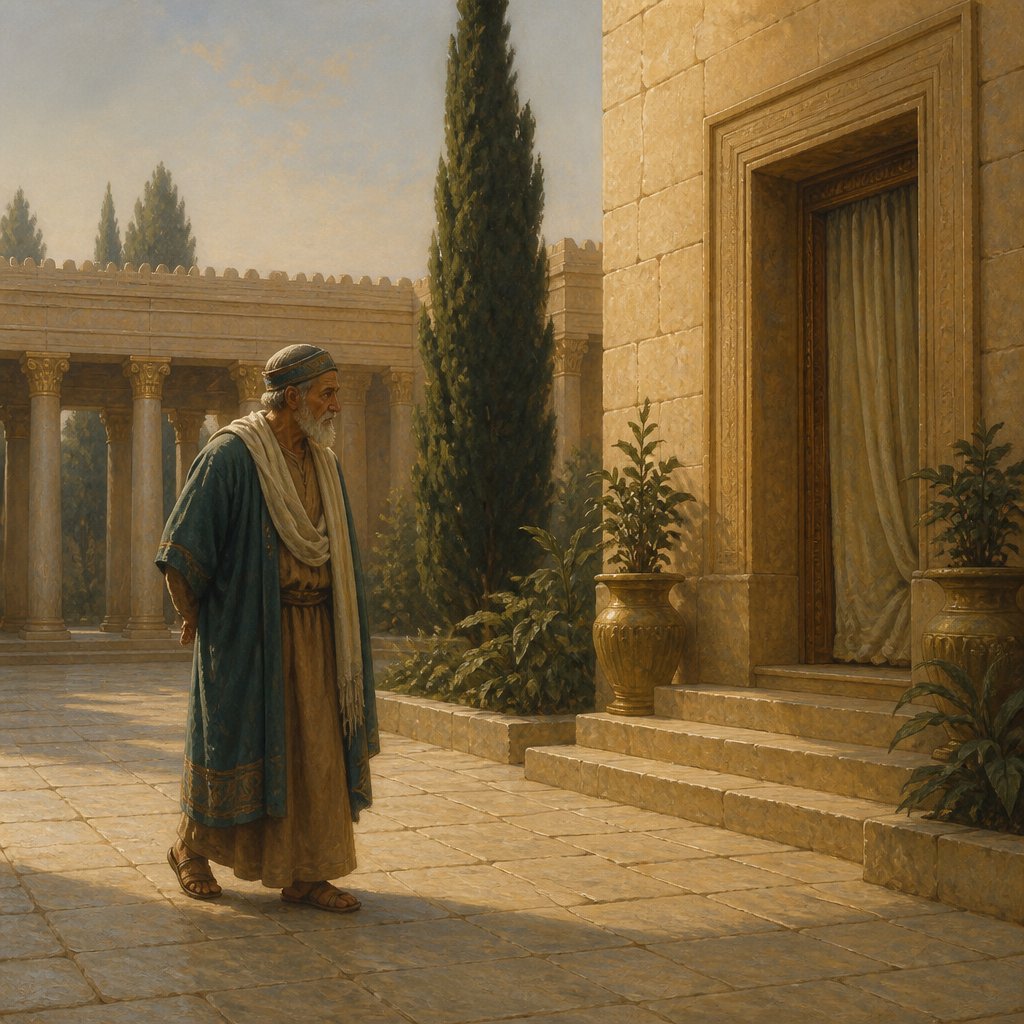
The book of Esther is a remarkable narrative that illustrates themes of courage, faith, and divine providence. In Chapter 2, verse 11, we find a poignant reflection of parental concern and unwavering support in the figure of Mordecai. The King James Version states, "And Mordecai walked every day before the court of the women’s house, to know how Esther did, and what should become of her." This statement encapsulates the depth of their bond and is a profound reminder of the watchful love that guides and sustains us.
Mordecai’s actions reveal the character of a loving guardian. Arriving in the royal palace, Esther was taken from her home and thrust into a life of uncertainty. Amidst this upheaval, Mordecai demonstrated his commitment to Esther by taking on the role of her daily watcher, a figure of stability in her life during an emotionally tumultuous time. His daily pilgrimage to the court of the women’s house not only indicates his deep concern for her well-being, but also reflects a profound spiritual truth: that fellowship and attention within relationships play a crucial role in nurturing and guiding each other in times of trial.
Mordecai’s actions provoke essential questions for our own journeys of faith. How often do we take the time to check in on the well-being of those entrusted to our care? In a world that moves swiftly, where the demands on our time and attention often pull us in myriad directions, the story of Mordecai serves as a spiritual exhortation to engage intentionally in the lives of others. It speaks volumes about the importance of community, familial bonds, and mentorship.
Moreover, Mordecai walking daily brings forth the idea of perseverance in love. His consistent presence indicates a commitment that perseveres beyond the usual comforts of normal life. It speaks to the heart of God, who retains a watchful eye over His creation, ever mindful of our struggles, fears, and aspirations. Like Mordecai’s vigil over Esther, God is ever-present; He is intimately aware of our affairs, our trials, our hopes, and our dreams. In Psalm 139:1-4, the psalmist articulates this truth profoundly: "O Lord, thou hast searched me, and known me. Thou knowest my downsitting and mine uprising, thou understandest my thought afar off. Thou compassest my path and my lying down, and art acquainted with all my ways. For there is not a word in my tongue, but, lo, O Lord, thou knowest it altogether."
Mordecai’s proactive concern symbolizes more than just familial love; it resonates with a call for vigilance in our spiritual lives as well. As we witness the dual roles of protector and advocate modeled by Mordecai, we are reminded of our responsibility toward our friends, family, and community. We are called to be present, to inquire, and to care—not just when circumstances are dire but as an expression of our everyday love.
Mordecai’s regular visits also involve a deeper understanding of purpose. Each day he stepped forth into the court not just for the sake of knowing but for the purpose of being a source of hope and assurance for Esther. His dedication reminds us that our involvement in others’ lives can be a means of divine purpose unfolding. God has equipped us to act as agents of His love, guidance, and reassurance, embodying the truth that we are never alone in our struggles. Just as Mordecai sought to prepare Esther for the uncertainties ahead, we, too, are called to prepare ourselves and others through prayer, encouragement, and support.
In conclusion, Esther 2:11 invites us into a deeper exploration of our relationships. Through the lens of Mordecai’s watchful love, we are challenged to embody that same vigilant care and commitment in our connections with one another. May we strive to be present, consistent, and filled with care as we walk alongside our loved ones, ever watchful and supportive, creating a community founded on faith, trust, and the divine love that binds us all.
Get our apps


Artwork for Esther 2:11

Esther 2:11 - "And Mordecai walked every day before the court of the women's house, to know how Esther did, and what should become of her."
"And Mordecai walked every day before the court of the women's house, to know how Esther did, and what should become of her." - Esther 2:11

Esther 2:22 - "And the thing was known to Mordecai, who told it unto Esther the queen; and Esther certified the king thereof in Mordecai's name."

Esther 5:2 - "And it was so, when the king saw Esther the queen standing in the court, that she obtained favour in his sight: and the king held out to Esther the golden sceptre that was in his hand. So Esther drew near, and touched the top of the sceptre."

Esther 7:2 - "And the king said again unto Esther on the second day at the banquet of wine, What is thy petition, queen Esther? and it shall be granted thee: and what is thy request? and it shall be performed, even to the half of the kingdom."

Esther 2:20 - "Esther had not yet shewed her kindred nor her people; as Mordecai had charged her: for Esther did the commandment of Mordecai, like as when she was brought up with him."

Esther 5:2

Esther 5:2

Esther 5:2

Esther 2:10 - "Esther had not shewed her people nor her kindred: for Mordecai had charged her that she should not shew it."

Esther 9:11 - "On that day the number of those that were slain in Shushan the palace was brought before the king."

Esther 5:2 - "And it was so, when the king saw Esther the queen standing in the court, that she obtained favour in his sight: and the king held out to Esther the golden sceptre that was in his hand. So Esther drew near, and touched the top of the sceptre."

"And the thing was known to Mordecai, who told it unto Esther the queen; and Esther certified the king thereof in Mordecai's name." - Esther 2:22

Esther 2:16 - "So Esther was taken unto king Ahasuerus into his house royal in the tenth month, which is the month Tebeth, in the seventh year of his reign."

Esther 8:2 - "And the king took off his ring, which he had taken from Haman, and gave it unto Mordecai. And Esther set Mordecai over the house of Haman."
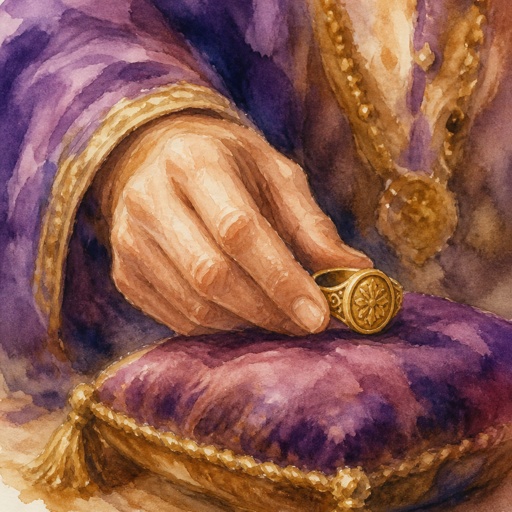
Esther 8:2 focus on the ring

Esther 1:11 - "To bring Vashti the queen before the king with the crown royal, to shew the people and the princes her beauty: for she was fair to look on."

Esther 3:11 - "And the king said unto Haman, The silver is given to thee, the people also, to do with them as it seemeth good to thee."

Esther 2:15 - "¶ Now when the turn of Esther, the daughter of Abihail the uncle of Mordecai, who had taken her for his daughter, was come to go in unto the king, she required nothing but what Hegai the king's chamberlain, the keeper of the women, appointed. And Esther obtained favour in the sight of all them that looked upon her."

Esther 2:2 - "Then said the king's servants that ministered unto him, Let there be fair young virgins sought for the king:"

Esther 2:17 - "And the king loved Esther above all the women, and she obtained grace and favour in his sight more than all the virgins; so that he set the royal crown upon her head, and made her queen instead of Vashti."

Esther 2:7 - "And he brought up Hadassah, that is, Esther, his uncle's daughter: for she had neither father nor mother, and the maid was fair and beautiful; whom Mordecai, when her father and mother were dead, took for his own daughter."
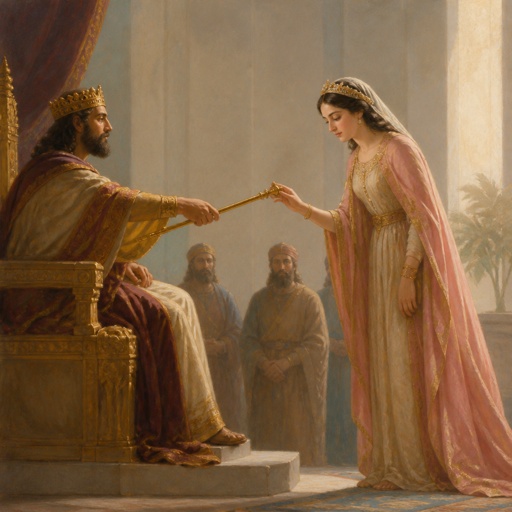
"And it was so, when the king saw Esther the queen standing in the court, that she obtained favour in his sight: and the king held out to Esther the golden sceptre that was in his hand. So Esther drew near, and touched the top of the sceptre." - Esther 5:2

Esther 2:8 - "¶ So it came to pass, when the king's commandment and his decree was heard, and when many maidens were gathered together unto Shushan the palace, to the custody of Hegai, that Esther was brought also unto the king's house, to the custody of Hegai, keeper of the women."

Esther 2:19 - "And when the virgins were gathered together the second time, then Mordecai sat in the king's gate."

Esther 1:2 - "That in those days, when the king Ahasuerus sat on the throne of his kingdom, which was in Shushan the palace,"
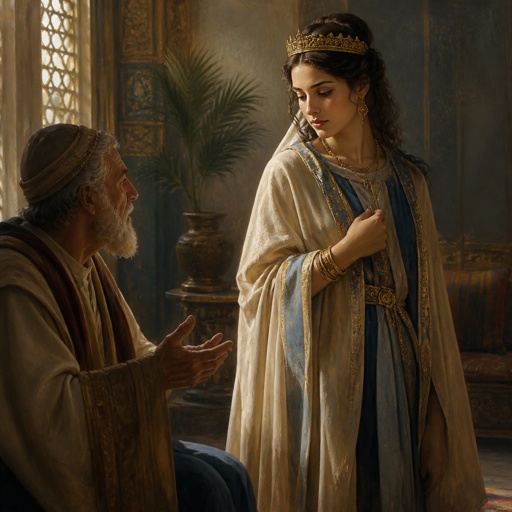
"Esther had not yet shewed her kindred nor her people; as Mordecai had charged her: for Esther did the commandment of Mordecai, like as when she was brought up with him." - Esther 2:20

Esther 4:2 - "And came even before the king's gate: for none might enter into the king's gate clothed with sackcloth."
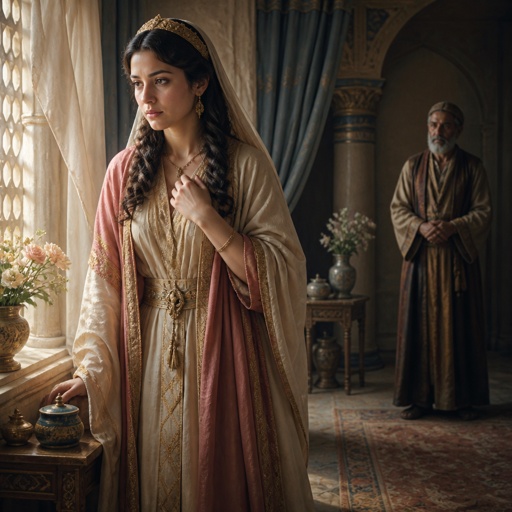
"Esther had not shewed her people nor her kindred: for Mordecai had charged her that she should not shew it." - Esther 2:10
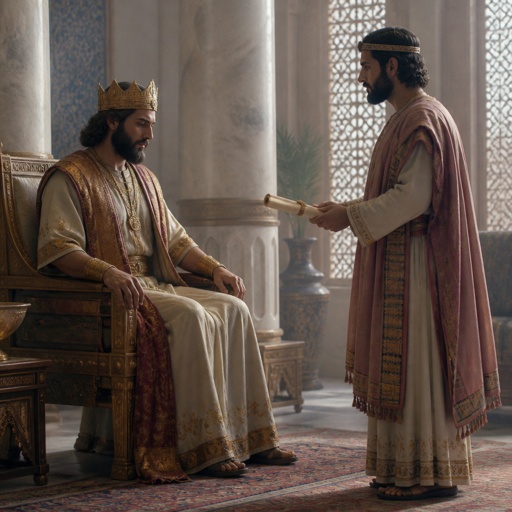
"On that day the number of those that were slain in Shushan the palace was brought before the king." - Esther 9:11