Purification and Preparation for Destiny
"¶ Now when every maid's turn was come to go in to king Ahasuerus, after that she had been twelve months, according to the manner of the women, (for so were the days of their purifications accomplished, to wit, six months with oil of myrrh, and six months with sweet odours, and with other things for the purifying of the women;)" - Esther 2:12
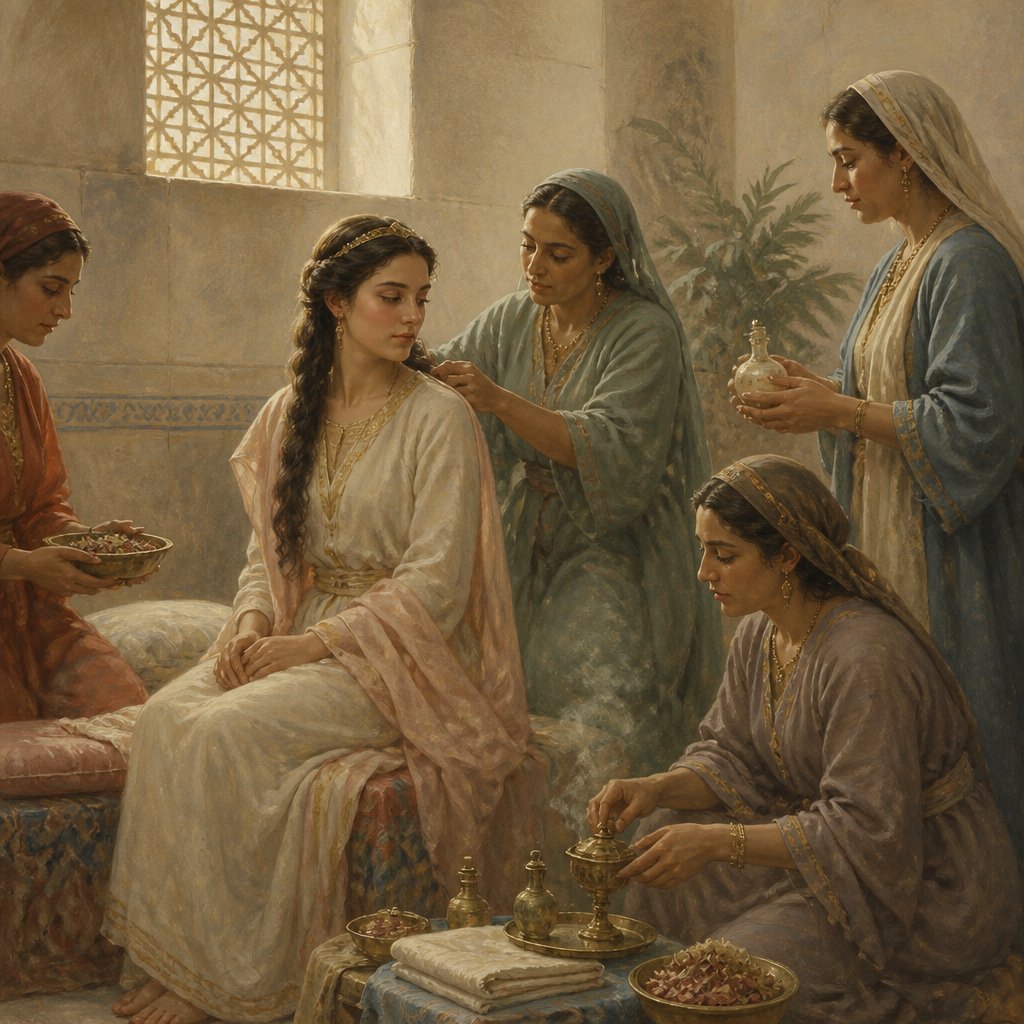
In the book of Esther, we encounter a pivotal moment in the life of Esther, a young Jewish woman whose destiny was intricately woven by God’s divine plan. Esther 2:12 (KJV) states, "Now when every maid's turn was come to go in to king Ahasuerus, after that she had been twelve months, according to the manner of the women, (for so were the days of their purifications accomplished, to wit, six months with oil of myrrh, and six months with sweet odours, and with other things for the purifying of the women)."
This passage highlights an essential process of preparation before entering the presence of the king, which ultimately serves as a powerful metaphor for the preparation each of us undergoes before stepping into our God-given destiny. Indeed, just as the maidens underwent rigorous purification processes, we too are often brought through seasons of preparation and refinement, allowing God to shape us for a purpose that exceeds our understanding.
**Understanding the Process**
The preparation for the King demanded a year of intensive training, rooted in beauty treatments involving oil of myrrh and sweet perfumes. In these practices, we see the biblical principle that all greatness requires a degree of humility and preparation. Esther had no prior experience, no training in royal etiquette, nor understanding of courtly life. Yet, the preparation she underwent was crucial, as it equipped her not only with physical beauty but also with the inner strength and poise that comes from being refined by challenging experiences.
Just as the maidens were prepared with oils, we are often placed into the 'oil of myrrh' experiences, which can be both painful and purifying. Myrrh, known for its bitter quality, symbolizes the trials and tribulations we face. These struggles, though seemingly detrimental, serve a greater purpose: they refine our character, deepen our faith, and prepare us for the significant moments ahead. In James 1:2-4 (KJV), we read, "My brethren, count it all joy when ye fall into divers temptations; Knowing this, that the trying of your faith worketh patience. But let patience have her perfect work, that ye may be perfect and entire, wanting nothing."
**The Role of Sweet Fragrance**
Following the bitter process of purification comes the sweet odor, which represents the blessings that are on the other side of our trials. The fragrant oils symbolize God’s favor and anointing that covers us as we step into our calling. This phase reminds us that every hardship can lead to a new season of abundant grace and glory if we remain steadfast in our trust and obedience to God.
Esther's preparation was multifaceted. She did not merely become beautiful on the outside but was also being prepared to be a voice of advocacy and courage in a court that posed significant dangers to her people, the Jews. By the time her turn came, she was not only physically transformed but was also molded spiritually and emotionally to face the monumental challenges ahead.
**God's Sovereign Hand**
We must examine the sovereignty of God in Esther's preparation. Her purification period was not a mere formality; it was a divine orchestration, positioning her to fulfill a significant role in God's redemptive history. God purposely orchestrated Esther’s life circumstances, leading her into the palace for such a time as this (Esther 4:14 KJV). Little did she know that the year of her preparation would ultimately be a divine appointment that changed the course of her people’s history.
**Conclusion**
As we reflect on Esther’s twelve months of purification, let us remember that every season of preparation is essential to our maximum effectiveness in God’s plan. May we embrace our own seasons of purification with patience and joy, trusting that God is preparing us for our turn to step forward in faith. Just as Esther was transformed for a royal purpose, may we also yield our hearts to the Master’s hand, allowing Him to refine us for His purposes.
In your current season, ask God to show you what areas need purification. Whether it’s bitterness, hurt, or even old habits—submit them to the Lord. Prepare yourself not only to enter the King’s presence but to make a profound difference in the world.
Want to reflect more on Esther 2:12?
Continue your spiritual journey with Bible Chat — an AI-powered tool for exploring God's Word through conversation. Ask questions, discover connections, and deepen your understanding.
Get Our Apps


Esther 2:12 Artwork
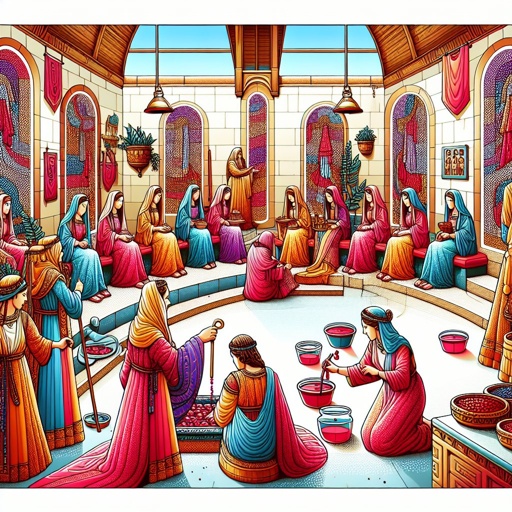
Esther 2:12 - "¶ Now when every maid's turn was come to go in to king Ahasuerus, after that she had been twelve months, according to the manner of the women, (for so were the days of their purifications accomplished, to wit, six months with oil of myrrh, and six months with sweet odours, and with other things for the purifying of the women;)"
"¶ Now when every maid's turn was come to go in to king Ahasuerus, after that she had been twelve months, according to the manner of the women, (for so were the days of their purifications accomplished, to wit, six months with oil of myrrh, and six months with sweet odours, and with other things for the purifying of the women;)" - Esther 2:12

Esther 4:12 - "And they told to Mordecai Esther's words."

Esther 2:22 - "And the thing was known to Mordecai, who told it unto Esther the queen; and Esther certified the king thereof in Mordecai's name."

Esther 5:2 - "And it was so, when the king saw Esther the queen standing in the court, that she obtained favour in his sight: and the king held out to Esther the golden sceptre that was in his hand. So Esther drew near, and touched the top of the sceptre."
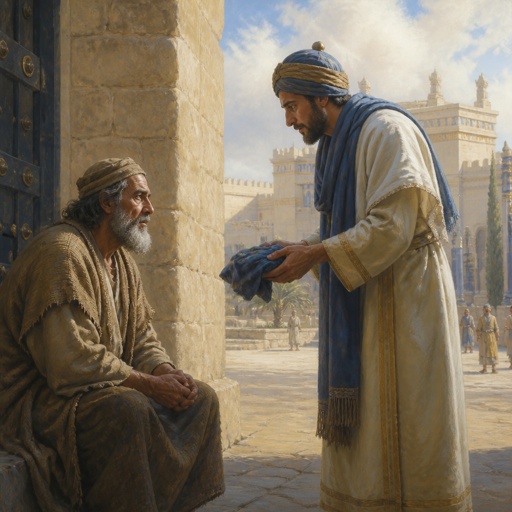
"And they told to Mordecai Esther's words." - Esther 4:12

Esther 2:20 - "Esther had not yet shewed her kindred nor her people; as Mordecai had charged her: for Esther did the commandment of Mordecai, like as when she was brought up with him."

Esther 7:2 - "And the king said again unto Esther on the second day at the banquet of wine, What is thy petition, queen Esther? and it shall be granted thee: and what is thy request? and it shall be performed, even to the half of the kingdom."

Esther 5:2

Esther 5:12 - "Haman said moreover, Yea, Esther the queen did let no man come in with the king unto the banquet that she had prepared but myself; and to morrow am I invited unto her also with the king."

Esther 5:2

Esther 5:2

Esther 2:11 - "And Mordecai walked every day before the court of the women's house, to know how Esther did, and what should become of her."

Esther 2:10 - "Esther had not shewed her people nor her kindred: for Mordecai had charged her that she should not shew it."

Esther 5:2 - "And it was so, when the king saw Esther the queen standing in the court, that she obtained favour in his sight: and the king held out to Esther the golden sceptre that was in his hand. So Esther drew near, and touched the top of the sceptre."

"And the thing was known to Mordecai, who told it unto Esther the queen; and Esther certified the king thereof in Mordecai's name." - Esther 2:22

Esther 2:16 - "So Esther was taken unto king Ahasuerus into his house royal in the tenth month, which is the month Tebeth, in the seventh year of his reign."

Esther 8:2 - "And the king took off his ring, which he had taken from Haman, and gave it unto Mordecai. And Esther set Mordecai over the house of Haman."
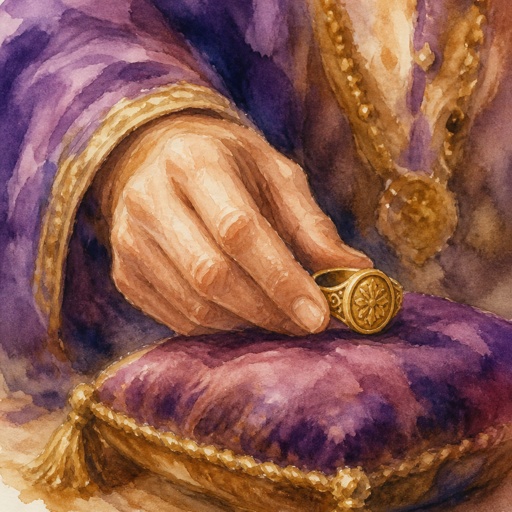
Esther 8:2 focus on the ring

Esther 6:12 - "¶ And Mordecai came again to the king's gate. But Haman hasted to his house mourning, and having his head covered."

Esther 2:15 - "¶ Now when the turn of Esther, the daughter of Abihail the uncle of Mordecai, who had taken her for his daughter, was come to go in unto the king, she required nothing but what Hegai the king's chamberlain, the keeper of the women, appointed. And Esther obtained favour in the sight of all them that looked upon her."

Esther 9:12 - "¶ And the king said unto Esther the queen, The Jews have slain and destroyed five hundred men in Shushan the palace, and the ten sons of Haman; what have they done in the rest of the king's provinces? now what is thy petition? and it shall be granted thee: or what is thy request further? and it shall be done."

Esther 2:2 - "Then said the king's servants that ministered unto him, Let there be fair young virgins sought for the king:"

Esther 8:12 - "Upon one day in all the provinces of king Ahasuerus, namely, upon the thirteenth day of the twelfth month, which is the month Adar."

Esther 1:12 - "But the queen Vashti refused to come at the king's commandment by his chamberlains: therefore was the king very wroth, and his anger burned in him."

Esther 2:17 - "And the king loved Esther above all the women, and she obtained grace and favour in his sight more than all the virgins; so that he set the royal crown upon her head, and made her queen instead of Vashti."

Esther 2:7 - "And he brought up Hadassah, that is, Esther, his uncle's daughter: for she had neither father nor mother, and the maid was fair and beautiful; whom Mordecai, when her father and mother were dead, took for his own daughter."
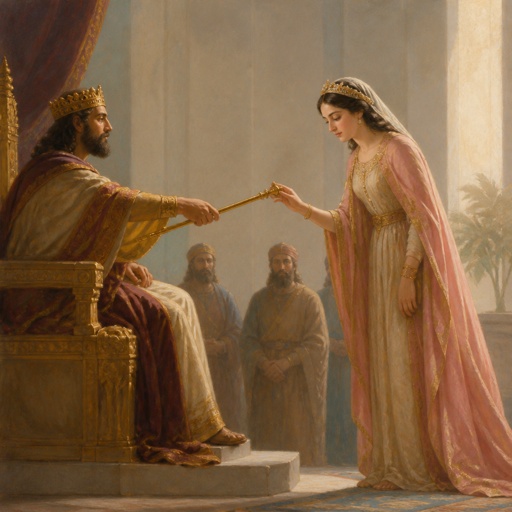
"And it was so, when the king saw Esther the queen standing in the court, that she obtained favour in his sight: and the king held out to Esther the golden sceptre that was in his hand. So Esther drew near, and touched the top of the sceptre." - Esther 5:2

Esther 2:8 - "¶ So it came to pass, when the king's commandment and his decree was heard, and when many maidens were gathered together unto Shushan the palace, to the custody of Hegai, that Esther was brought also unto the king's house, to the custody of Hegai, keeper of the women."

Esther 2:19 - "And when the virgins were gathered together the second time, then Mordecai sat in the king's gate."