God’s Sovereign Justice: The Story of Mordecai
“And when inquisition was made of the matter, it was found out; therefore they were both hanged on a tree: and it was written in the book of the chronicles before the king.” — Esther 2:23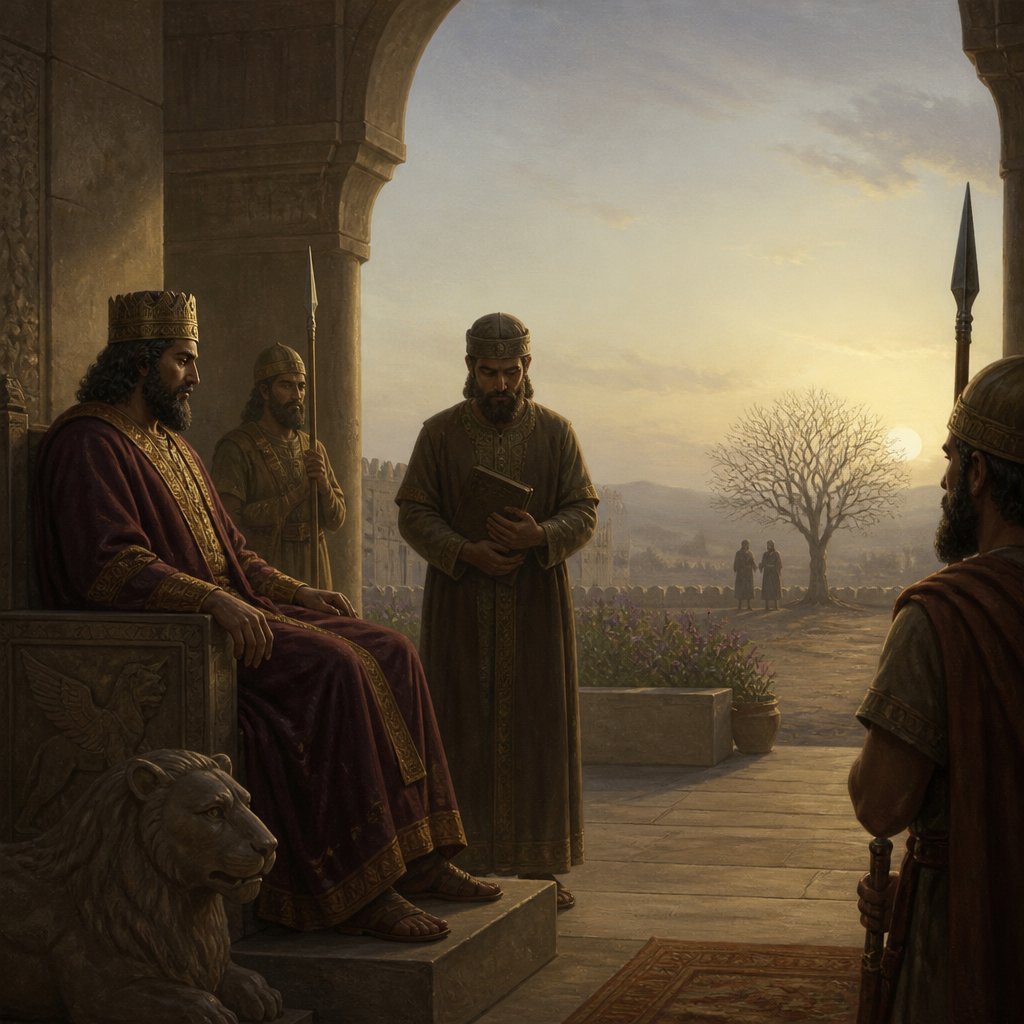
In the unfolding narrative of the Book of Esther, we encounter a pivotal moment in Esther 2:23 which states: "And when inquisition was made of the matter, it was found out; therefore they were both hanged on a tree: and it was written in the book of the chronicles before the king." This verse might initially appear to serve merely as a historical record within the grand tapestry of Esther’s story, but upon deeper reflection, it resonates with profound themes of justice, divine timing, and the invisible hand of God at work.
At the heart of this verse lies the story of Mordecai, Esther’s cousin, who overheard a plot against King Ahasuerus (Xerxes). Two of the king's eunuchs, Bigthan and Teresh, sought to take the life of their sovereign, a treasonous act that would not only have convinced them of their own power but would have plunged the kingdom into chaos. Mordecai’s actions, rooted in loyalty and bravery, led to the unraveled conspiracy, culminating in the execution of the conspirators. This is a simple yet profound illustration of how integrity, vigilance, and righteousness in our everyday lives can set into motion the wheels of justice.
Sovereignty is a hallmark of God in biblical narratives. Throughout the Book of Esther, God’s name does not explicitly appear, yet His providence is palpable in every twist and turn of the plot. Mordecai’s discovery of the plot is not just a coincidence but a divine orchestration that exemplifies St. Paul’s affirmation in Romans 8:28: "And we know that all things work together for good to them that love God, to them who are the called according to his purpose." Mordecai's small act of loyalty to the king did not go unnoticed. The chronicles, which are the records of the kingdom, served as a testament to his character.
This brings us to consider the significance of being remembered for good deeds. How often do we engage in acts of kindness or integrity that seem unnoticed? How frequently do we feel that our faithfulness in obscurity lacks reward? The story of Mordecai reminds us that every righteous act is recorded in the annals of heaven. Though he faced hostility later on from Haman, and likely many adversities, his earlier act of bravery was preserved in the king’s chronicles, demonstrating how God honors those who serve with integrity. God ensures nothing done in His name is upended or overlooked.
This narrative also encapsulates the theme of justice. Mordecai's revelation of the plot ultimately resulted in the punishment of the conspirators. It serves as a testimony that injustice will not go unnoticed, and while it may seem like evil prevails at times, God’s justice is assured. The passage evokes a sense of divine retribution that assures believers that wickedness will eventually be confronted. This awareness should not drive us to despair when we witness evil but comfort us in the knowledge that God’s plans encompass all things, moving toward justice in His perfect timing.
Moreover, the act of writing in the book of chronicles signifies the importance of bearing witness to God’s work among His people. In the chronicles of our lives, what will be recorded about our conduct? Are we conduits of righteousness, devotion, and courage? Or will our chronicles reflect complacency in the face of wrongdoing?
As we reflect upon Esther 2:23, let us pursue lives that mirror Mordecai’s faithfulness, allowing God’s greater narrative of redemption and justice to be realized through our everyday choices. The humble acts of justice uprooted by those who love God are recorded in both heaven and earth, a powerful testament to God’s unwavering commitment to His people and the righteousness He desires to enact in our tumultuous world.
Get our apps


Artwork for Esther 2:23

Esther 2:23 - "And when inquisition was made of the matter, it was found out; therefore they were both hanged on a tree: and it was written in the book of the chronicles before the king."
"And when inquisition was made of the matter, it was found out; therefore they were both hanged on a tree: and it was written in the book of the chronicles before the king." - Esther 2:23

Esther 2:22 - "And the thing was known to Mordecai, who told it unto Esther the queen; and Esther certified the king thereof in Mordecai's name."

Esther 9:23 - "And the Jews undertook to do as they had begun, and as Mordecai had written unto them;"

Esther 5:2 - "And it was so, when the king saw Esther the queen standing in the court, that she obtained favour in his sight: and the king held out to Esther the golden sceptre that was in his hand. So Esther drew near, and touched the top of the sceptre."

Esther 7:2 - "And the king said again unto Esther on the second day at the banquet of wine, What is thy petition, queen Esther? and it shall be granted thee: and what is thy request? and it shall be performed, even to the half of the kingdom."

Esther 2:20 - "Esther had not yet shewed her kindred nor her people; as Mordecai had charged her: for Esther did the commandment of Mordecai, like as when she was brought up with him."

Esther 5:2

Esther 5:2

Esther 5:2

Esther 2:11 - "And Mordecai walked every day before the court of the women's house, to know how Esther did, and what should become of her."

Esther 2:10 - "Esther had not shewed her people nor her kindred: for Mordecai had charged her that she should not shew it."

Esther 5:2 - "And it was so, when the king saw Esther the queen standing in the court, that she obtained favour in his sight: and the king held out to Esther the golden sceptre that was in his hand. So Esther drew near, and touched the top of the sceptre."

"And the thing was known to Mordecai, who told it unto Esther the queen; and Esther certified the king thereof in Mordecai's name." - Esther 2:22

Esther 2:16 - "So Esther was taken unto king Ahasuerus into his house royal in the tenth month, which is the month Tebeth, in the seventh year of his reign."

Esther 8:2 - "And the king took off his ring, which he had taken from Haman, and gave it unto Mordecai. And Esther set Mordecai over the house of Haman."
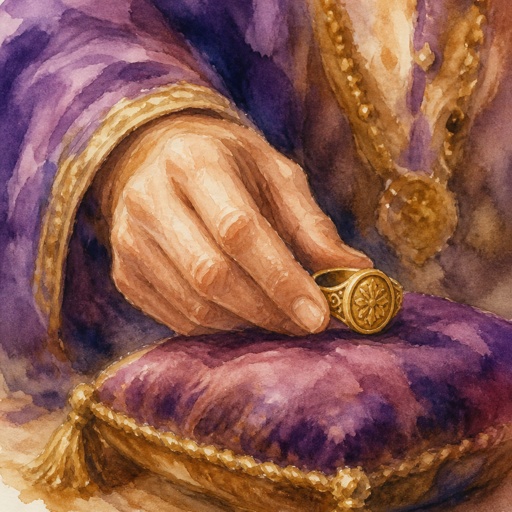
Esther 8:2 focus on the ring

Esther 2:15 - "¶ Now when the turn of Esther, the daughter of Abihail the uncle of Mordecai, who had taken her for his daughter, was come to go in unto the king, she required nothing but what Hegai the king's chamberlain, the keeper of the women, appointed. And Esther obtained favour in the sight of all them that looked upon her."

Esther 2:2 - "Then said the king's servants that ministered unto him, Let there be fair young virgins sought for the king:"
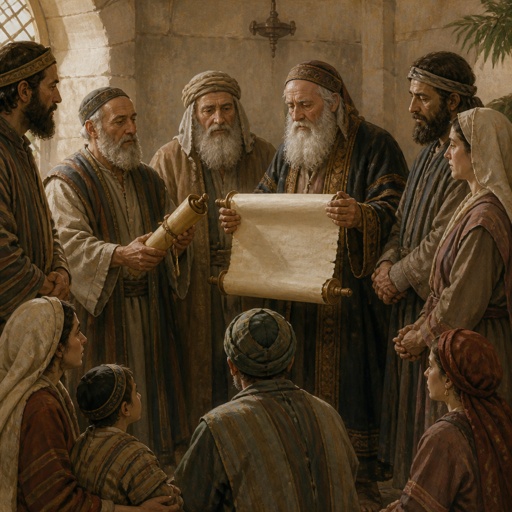
"And the Jews undertook to do as they had begun, and as Mordecai had written unto them;" - Esther 9:23

Esther 2:17 - "And the king loved Esther above all the women, and she obtained grace and favour in his sight more than all the virgins; so that he set the royal crown upon her head, and made her queen instead of Vashti."

Esther 2:7 - "And he brought up Hadassah, that is, Esther, his uncle's daughter: for she had neither father nor mother, and the maid was fair and beautiful; whom Mordecai, when her father and mother were dead, took for his own daughter."
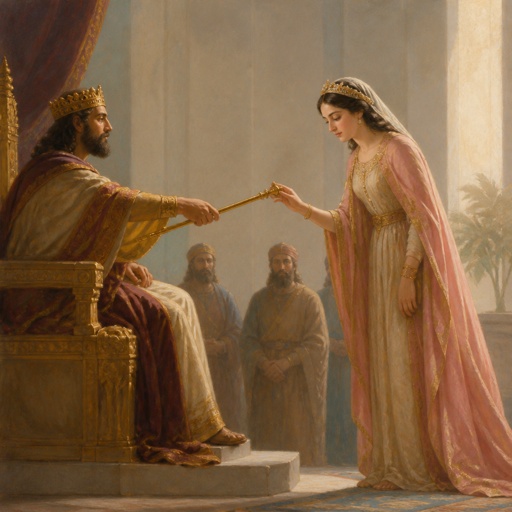
"And it was so, when the king saw Esther the queen standing in the court, that she obtained favour in his sight: and the king held out to Esther the golden sceptre that was in his hand. So Esther drew near, and touched the top of the sceptre." - Esther 5:2

Esther 2:8 - "¶ So it came to pass, when the king's commandment and his decree was heard, and when many maidens were gathered together unto Shushan the palace, to the custody of Hegai, that Esther was brought also unto the king's house, to the custody of Hegai, keeper of the women."

Esther 2:19 - "And when the virgins were gathered together the second time, then Mordecai sat in the king's gate."

Esther 1:2 - "That in those days, when the king Ahasuerus sat on the throne of his kingdom, which was in Shushan the palace,"
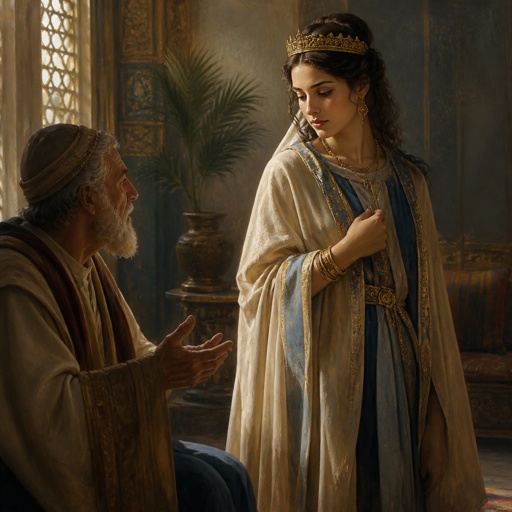
"Esther had not yet shewed her kindred nor her people; as Mordecai had charged her: for Esther did the commandment of Mordecai, like as when she was brought up with him." - Esther 2:20

Esther 4:2 - "And came even before the king's gate: for none might enter into the king's gate clothed with sackcloth."

"Esther had not shewed her people nor her kindred: for Mordecai had charged her that she should not shew it." - Esther 2:10

Esther 2:3 - "And let the king appoint officers in all the provinces of his kingdom, that they may gather together all the fair young virgins unto Shushan the palace, to the house of the women, unto the custody of Hege the king's chamberlain, keeper of the women; and let their things for purification be given them:"