The Ripple Effect of Scorn: A Devotional on Esther 3:6
“And he thought scorn to lay hands on Mordecai alone; for they had shewed him the people of Mordecai: wherefore Haman sought to destroy all the Jews that were throughout the whole kingdom of Ahasuerus, even the people of Mordecai.” — Esther 3:6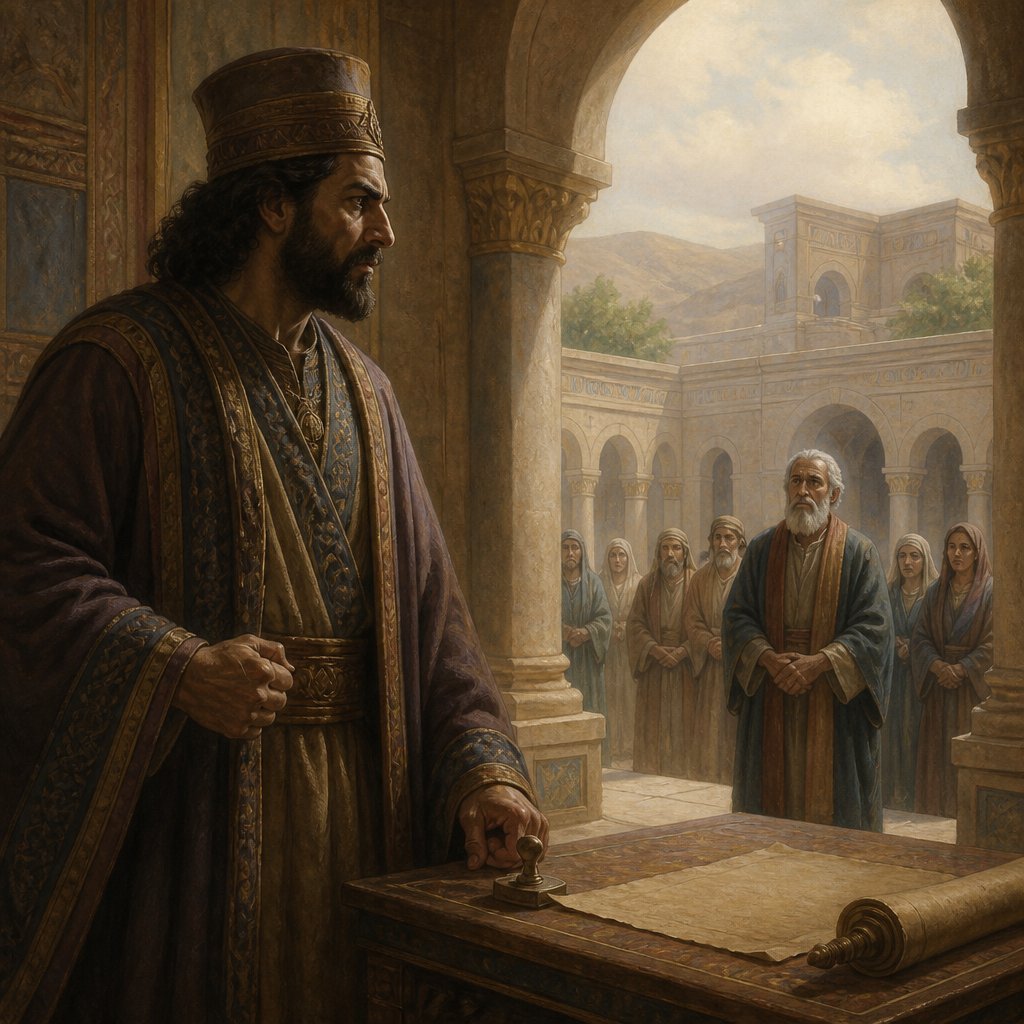
The book of Esther illustrates a profound spiritual and moral narrative through the rise and fall of its characters, primarily Haman and Mordecai. One pivotal moment is found in Esther 3:6 (KJV): "And he thought scorn to lay hands on Mordecai alone; for they had shewed him the people of Mordecai: wherefore Haman sought to destroy all the Jews that were throughout the whole kingdom of Ahasuerus, even the people of Mordecai."
In the backdrop of the Persian Empire, the clash of pride and humility takes center stage in the actions of Haman and Mordecai. Haman, having achieved great power and prestige as a high-ranking official close to King Ahasuerus, is presented with a dilemma when Mordecai, a humble Jewish man, refuses to bow before him. Rather than deal with this offense in a measured way, Haman's ego leads him down a path of destruction, not only seeking to annihilate Mordecai but aiming to wipe out his entire ethnicity. This moment unveils an essential truth about anger and scorn; unchecked, they multiply and spread like wildfire, harming not just one person but many.
Haman's disdain for Mordecai emerges from his pride. Having everything a man could desire—honor, power, and influence—Haman is offended that one man would resist his authority. When we allow our feelings of pride and indignation to govern our heart, we position ourselves against God and His people. Haman's actions reveal the danger of allowing anger to morph into hatred, leading us to irrational decisions that can devastate entire communities. He wasn’t merely seeking vengeance on Mordecai; he cast a broader net, targeting his people in acts of hate that would reverberate through the generations.
Scripture implores us to manage our anger wisely: "The discretion of a man deferreth his anger; and it is his glory to pass over a transgression" (Proverbs 19:11). In stark contrast, Haman's refusal to defer to his righteous anger against Mordecai sets into motion a series of events that would culminate in catastrophic consequences. As Christians, we must heed this warning: unchecked feelings can evolve into actions that not only affect us but also lead to the suffering of countless others.
In Haman’s rejection of Mordecai, we see the disastrous inclusivity of hatred. He could have exercised restraint and wisdom; instead, his ego blinds him to the reality of his actions. Haman’s lust for revenge escalates into a brutal decree against an entire race, showcasing an all-too-common human flaw: when we let small grievances fester, they often manifest into uncontrollable rage that drags many into our conflicts.
These lessons taken from Esther call believers to embrace humility and compassion over pride and vindictiveness. Our reactions to perceived slights can tell us a lot about our spiritual maturity. How often do we react rashly, accusing and vilifying people who differ from us or who displease us? How frequently do we see enemies instead of potential allies? Haman turned a personal grievance into a genocide. Likewise, we might find ourselves disregarding the dignity of others because they do not align perfectly with our desires or worldviews.
Let us strive for the opposite spirit. Let us choose restoration over destruction, love over scorn, community over division. In a world that often seems divided on many fronts, we must remember that the love of Christ transcends all boundaries. Our calling as Christians is not to destroy anyone, but rather to engage with love, compassion, and a spirit of reconciliation.
As we reflect on Haman’s plight, let us pray for the wisdom to respond humbly to offenses and the grace to never allow anger to control our actions. May we embody the spirit of Mordecai, who, despite being wronged, stood firm in his faith and trust in God. Let this be our challenge—a call to reflect the love of God even when faced with scorn. Amen.
Get our apps


Artwork for Esther 3:6
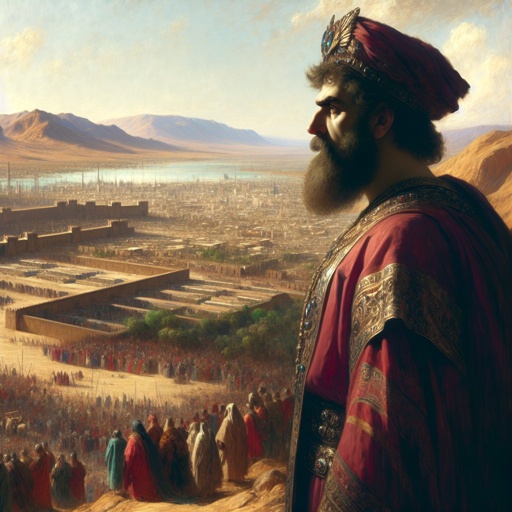
Esther 3:6 - "And he thought scorn to lay hands on Mordecai alone; for they had shewed him the people of Mordecai: wherefore Haman sought to destroy all the Jews that were throughout the whole kingdom of Ahasuerus, even the people of Mordecai."
"And he thought scorn to lay hands on Mordecai alone; for they had shewed him the people of Mordecai: wherefore Haman sought to destroy all the Jews that were throughout the whole kingdom of Ahasuerus, even the people of Mordecai." - Esther 3:6

Esther 6:3 - "And the king said, What honour and dignity hath been done to Mordecai for this? Then said the king's servants that ministered unto him, There is nothing done for him."

Esther 7:6 - "And Esther said, The adversary and enemy is this wicked Haman. Then Haman was afraid before the king and the queen."

Esther 1:6

Esther 6:14 - "And while they were yet talking with him, came the king's chamberlains, and hasted to bring Haman unto the banquet that Esther had prepared."

Esther 5:3 - "Then said the king unto her, What wilt thou, queen Esther? and what is thy request? it shall be even given thee to the half of the kingdom."

Esther 5:6 - "¶ And the king said unto Esther at the banquet of wine, What is thy petition? and it shall be granted thee: and what is thy request? even to the half of the kingdom it shall be performed."
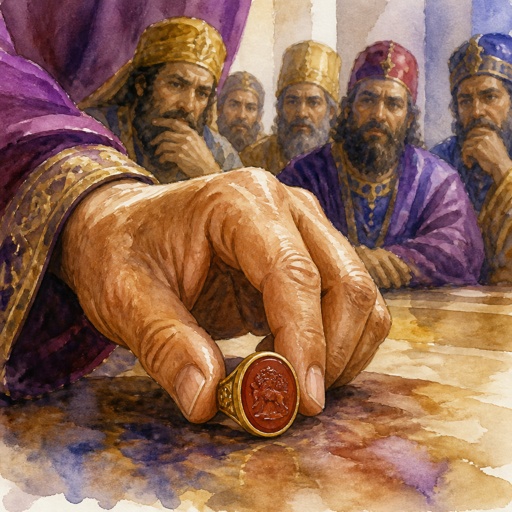
Esther 3:10 focus on ring

Esther 6:7 - "And Haman answered the king, For the man whom the king delighteth to honour,"

Esther 9:6 - "And in Shushan the palace the Jews slew and destroyed five hundred men."

Esther 3:3 - "Then the king's servants, which were in the king's gate, said unto Mordecai, Why transgressest thou the king's commandment?"

"And Esther said, The adversary and enemy is this wicked Haman. Then Haman was afraid before the king and the queen." - Esther 7:6

Esther 8:3 - "¶ And Esther spake yet again before the king, and fell down at his feet, and besought him with tears to put away the mischief of Haman the Agagite, and his device that he had devised against the Jews."

Esther 7:3 - "Then Esther the queen answered and said, If I have found favour in thy sight, O king, and if it please the king, let my life be given me at my petition, and my people at my request:"

Esther 4:6 - "So Hatach went forth to Mordecai unto the street of the city, which was before the king's gate."

Esther 3:5 - "And when Haman saw that Mordecai bowed not, nor did him reverence, then was Haman full of wrath."

Esther 6:5 - "And the king's servants said unto him, Behold, Haman standeth in the court. And the king said, Let him come in."

Esther 6:1 - "On that night could not the king sleep, and he commanded to bring the book of records of the chronicles; and they were read before the king."

Esther 6:12 - "¶ And Mordecai came again to the king's gate. But Haman hasted to his house mourning, and having his head covered."
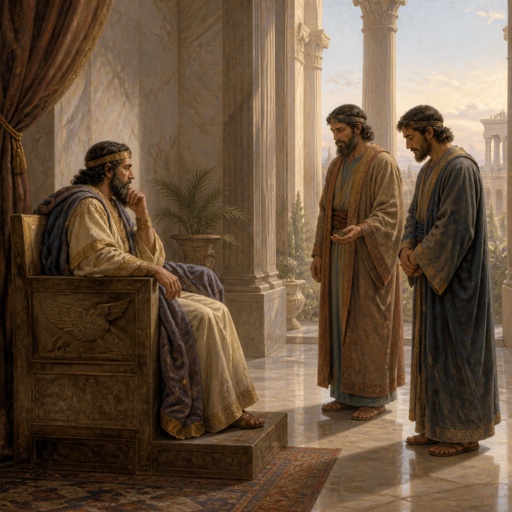
"And the king said, What honour and dignity hath been done to Mordecai for this? Then said the king's servants that ministered unto him, There is nothing done for him." - Esther 6:3

"And while they were yet talking with him, came the king's chamberlains, and hasted to bring Haman unto the banquet that Esther had prepared." - Esther 6:14

Esther 9:3 - "And all the rulers of the provinces, and the lieutenants, and the deputies, and officers of the king, helped the Jews; because the fear of Mordecai fell upon them."

Esther 3:14 - "The copy of the writing for a commandment to be given in every province was published unto all people, that they should be ready against that day."

Esther 3:11 - "And the king said unto Haman, The silver is given to thee, the people also, to do with them as it seemeth good to thee."

Esther 3:10 - "And the king took his ring from his hand, and gave it unto Haman the son of Hammedatha the Agagite, the Jews' enemy."

"And Haman answered the king, For the man whom the king delighteth to honour," - Esther 6:7

"And in Shushan the palace the Jews slew and destroyed five hundred men." - Esther 9:6

Esther 8:6 - "For how can I endure to see the evil that shall come unto my people? or how can I endure to see the destruction of my kindred?"

Esther 6:8 - "Let the royal apparel be brought which the king useth to wear, and the horse that the king rideth upon, and the crown royal which is set upon his head:"