The Hidden Reward: God Remembers the Faithful
“And the king said, What honour and dignity hath been done to Mordecai for this? Then said the king’s servants that ministered unto him, There is nothing done for him.” — Esther 6:3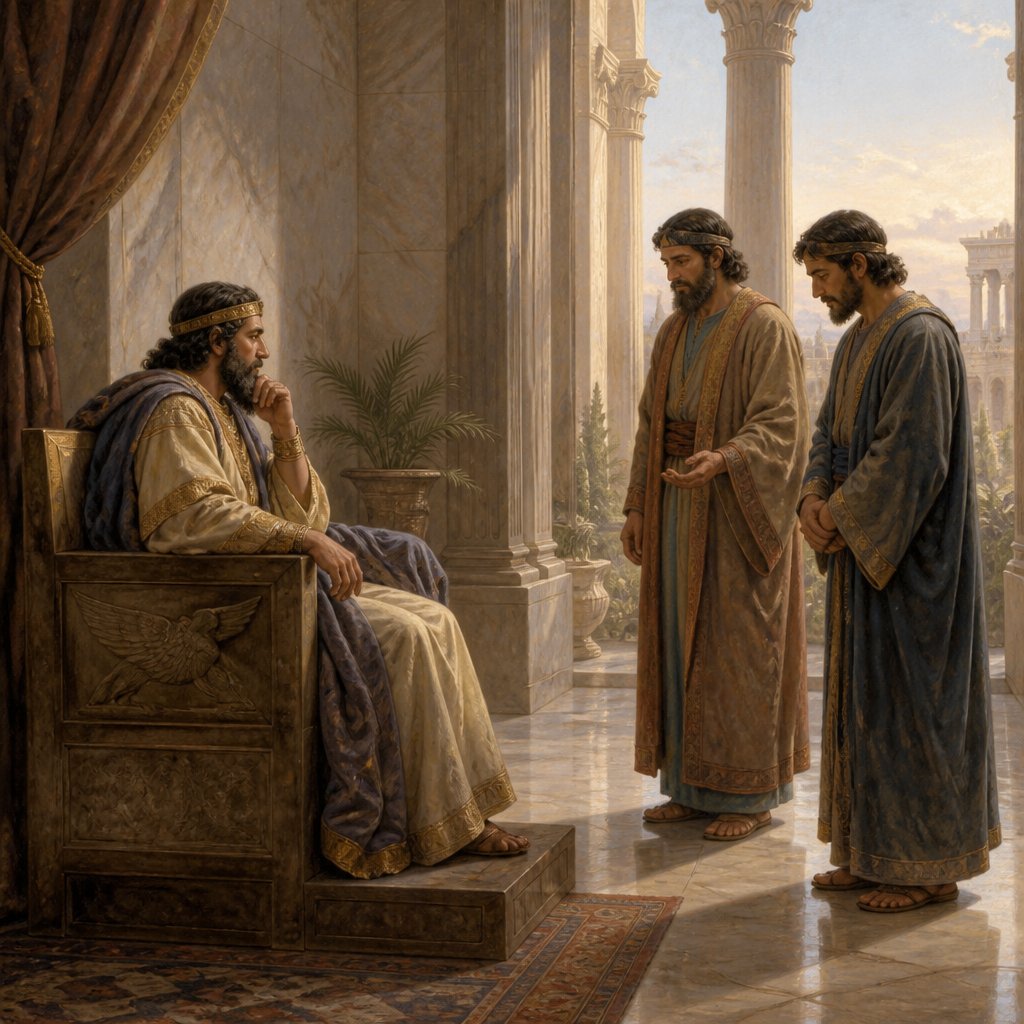
In the book of Esther, we encounter a rich narrative that unveils God’s providence and the profound impact of faithfulness in the face of adversity. The verse from Esther 6:3, "And the king said, What honour and dignity hath been done to Mordecai for this? Then said the king's servants that ministered unto him, There is nothing done for him," serves as a pivotal moment of revelation and recognition in this story. It reflects not only the king’s curiosity about Mordecai’s actions but also highlights the larger theme of divine justice that often operates outside of what we can see.
Mordecai, a Jew living in exile, had previously thwarted a assassination plot against King Ahasuerus. Despite his noble act of bravery and loyalty, Mordecai received no immediate reward or recognition. He remained in the shadows, seemingly forgotten and unappreciated. This resonates deeply with many of us who labor in silence, either through acts of service in our communities or within our families, seeking no accolades yet wondering if our efforts are of consequence or notice.
The poignant question posed by the king, "What honour and dignity hath been done to Mordecai for this?" beckons us to consider how often the world overlooks the faithfulness of those who serve humbly and quietly. It challenges us to examine our own hearts and the motives behind our actions. In a society that often celebrates instant recognition and visible success, Mordecai teaches us the value of patience. He reminds us that true honor may not come at the moment we expect it; sometimes, it comes in the most unexpected ways.
This moment in Esther encourages us to ponder the significance of ‘being seen’ versus the reward of ‘being faithful.’ Mordecai did not act out of a desire for recognition; he acted from a place of loyalty and righteousness. Often, we may find ourselves in similar situations where our good deeds seem to go unnoticed. Yet, it is essential to remember that God's timing is perfect, and He sees all things. The psalmist beautifully reminds us in Psalm 139:1-3 (KJV), "O Lord, thou hast searched me, and known me. Thou knowest my downsitting and mine uprising, thou understandest my thought afar off. Thou compassest my path and my lying down, and art acquainted with all my ways." God is indeed aware of our toil—even when the world overlooks it.
As we dive deeper into this verse, we must not overlook the servants of the king who said, "There is nothing done for him." This part of the verse compels us to reflect on the importance of persistence in our prayers and our endeavors for justice and acknowledgment, even when the response might seem bleak. In the context of our faith, it teaches us to continue being faithful and hopeful, trusting that God, in His divine orchestration, will reveal our efforts and elevate them for His glory at the right time.
Furthermore, this biblical account serves as a powerful reminder of how God can turn the tables in an individual's life. Soon after this declaration, the king orders that Mordecai be honored in a most public and significant way. God’s timing throughout this chapter is impeccable; it reaffirms that though there may be seasons of obscurity and seeming neglect, God’s plan never falters.
Therefore, as we close this devotional, let us hold fast to the assurances that our unseen labor in faith will eventually lead to honor—not necessarily in this life, but surely in the one to come. May we strive to embody Mordecai’s spirit of quiet resilience, knowing that our reward lies in faithfulness and obedience to God, who remembers and rewards those who serve Him sincerely. Let us pray for renewed strength in our journey, embracing the truth that God sees us—even in our unseen moments.
Get our apps


Artwork for Esther 6:3

Esther 6:3 - "And the king said, What honour and dignity hath been done to Mordecai for this? Then said the king's servants that ministered unto him, There is nothing done for him."
"And the king said, What honour and dignity hath been done to Mordecai for this? Then said the king's servants that ministered unto him, There is nothing done for him." - Esther 6:3

Esther 7:6 - "And Esther said, The adversary and enemy is this wicked Haman. Then Haman was afraid before the king and the queen."

Esther 1:6

Esther 6:14 - "And while they were yet talking with him, came the king's chamberlains, and hasted to bring Haman unto the banquet that Esther had prepared."
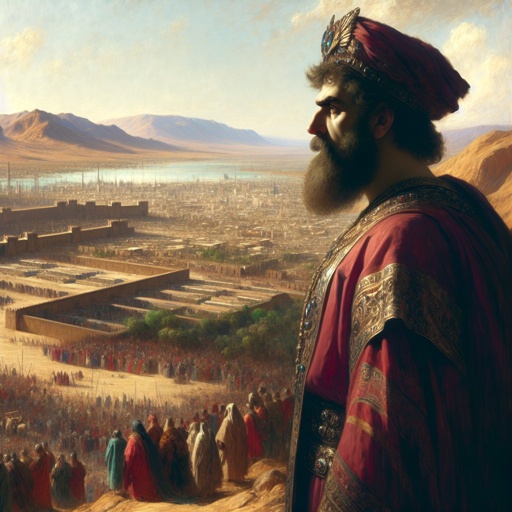
Esther 3:6 - "And he thought scorn to lay hands on Mordecai alone; for they had shewed him the people of Mordecai: wherefore Haman sought to destroy all the Jews that were throughout the whole kingdom of Ahasuerus, even the people of Mordecai."

Esther 5:3 - "Then said the king unto her, What wilt thou, queen Esther? and what is thy request? it shall be even given thee to the half of the kingdom."

Esther 5:6 - "¶ And the king said unto Esther at the banquet of wine, What is thy petition? and it shall be granted thee: and what is thy request? even to the half of the kingdom it shall be performed."
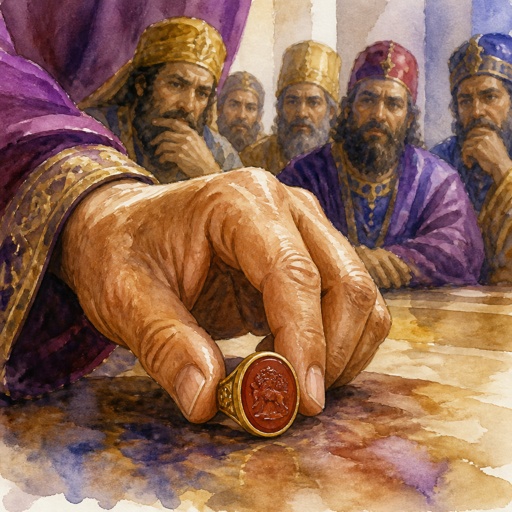
Esther 3:10 focus on ring

Esther 6:7 - "And Haman answered the king, For the man whom the king delighteth to honour,"

Esther 9:6 - "And in Shushan the palace the Jews slew and destroyed five hundred men."

Esther 3:3 - "Then the king's servants, which were in the king's gate, said unto Mordecai, Why transgressest thou the king's commandment?"

"And Esther said, The adversary and enemy is this wicked Haman. Then Haman was afraid before the king and the queen." - Esther 7:6

Esther 8:3 - "¶ And Esther spake yet again before the king, and fell down at his feet, and besought him with tears to put away the mischief of Haman the Agagite, and his device that he had devised against the Jews."

Esther 7:3 - "Then Esther the queen answered and said, If I have found favour in thy sight, O king, and if it please the king, let my life be given me at my petition, and my people at my request:"

Esther 4:6 - "So Hatach went forth to Mordecai unto the street of the city, which was before the king's gate."

Esther 3:5 - "And when Haman saw that Mordecai bowed not, nor did him reverence, then was Haman full of wrath."

Esther 6:1 - "On that night could not the king sleep, and he commanded to bring the book of records of the chronicles; and they were read before the king."

Esther 6:5 - "And the king's servants said unto him, Behold, Haman standeth in the court. And the king said, Let him come in."

Esther 6:12 - "¶ And Mordecai came again to the king's gate. But Haman hasted to his house mourning, and having his head covered."

"And while they were yet talking with him, came the king's chamberlains, and hasted to bring Haman unto the banquet that Esther had prepared." - Esther 6:14

Esther 9:3 - "And all the rulers of the provinces, and the lieutenants, and the deputies, and officers of the king, helped the Jews; because the fear of Mordecai fell upon them."

Esther 3:14 - "The copy of the writing for a commandment to be given in every province was published unto all people, that they should be ready against that day."

Esther 3:11 - "And the king said unto Haman, The silver is given to thee, the people also, to do with them as it seemeth good to thee."

Esther 3:10 - "And the king took his ring from his hand, and gave it unto Haman the son of Hammedatha the Agagite, the Jews' enemy."

"And Haman answered the king, For the man whom the king delighteth to honour," - Esther 6:7

"And in Shushan the palace the Jews slew and destroyed five hundred men." - Esther 9:6

Esther 8:6 - "For how can I endure to see the evil that shall come unto my people? or how can I endure to see the destruction of my kindred?"

Esther 6:8 - "Let the royal apparel be brought which the king useth to wear, and the horse that the king rideth upon, and the crown royal which is set upon his head:"

Esther 6:2 - "And it was found written, that Mordecai had told of Bigthana and Teresh, two of the king's chamberlains, the keepers of the door, who sought to lay hand on the king Ahasuerus."