Empowered by Fear: The Reverence That Changed a Nation
“And all the rulers of the provinces, and the lieutenants, and the deputies, and officers of the king, helped the Jews; because the fear of Mordecai fell upon them.” — Esther 9:3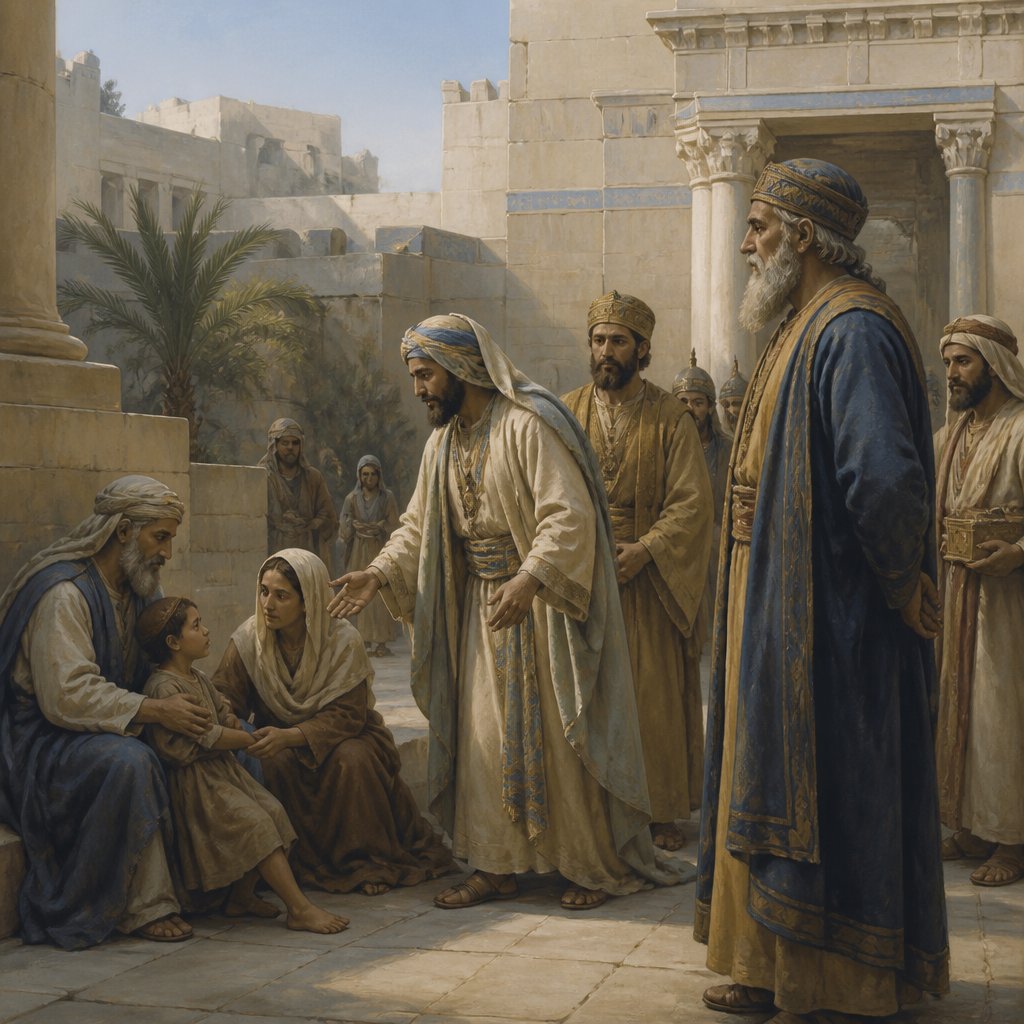
The story of Esther, a saga of courage and divine providence, culminates in strikingly significant moments that illuminate the profound impacts of faith and the intricate dynamics of power. In Esther 9:3, we discover, "And all the rulers of the provinces, and the lieutenants, and the deputies, and officers of the king, helped the Jews; because the fear of Mordecai fell upon them." This verse stands as a powerful testament to the influence that one man, with a heart aligned towards God’s purpose, can exert over an entire kingdom.
To understand the fullness of this scripture, we must acknowledge the context. Mordecai, who had previously been a mere gatekeeper, rose to a position of prominence after the defeat of Haman, the enemy of the Jews. His unwavering loyalty to God’s people and to Queen Esther led him to confront injustice with resolute faith. Mordecai's courage inspired not only Esther but also the Jewish people—prompting them to fast and pray, seeking God’s intervention amid circumstances that threatened their annihilation.
The phrase "the fear of Mordecai fell upon them" beckons us to explore what it means to instill fear—specifically, a holy reverence that commands respect and allegiance. This fear was not one born out of terror; rather, it was a recognition of Mordecai's integrity, wisdom, and the divine favor that he represented in the eyes of both God and man.
In our own lives, we can reflect on the type of influence we wield in our spheres of influence. Does our behavior inspire reverence? Are we living in such a manner that those around us see the reflection of Christ and feel moved to aid in the righteous causes we advocate? When we align ourselves with God’s will, both our standing and our influence can shift dramatically. Just as Mordecai garnered respect through his actions, so, too, can we earn the respect of our peers through acts of love, justice, and faithfulness.
Moreover, the leaders who stood united to help the Jews were not merely compelled by dread but were intrinsically motivated by the recognition of Mordecai’s position and the fear of the Lord that reigned within him. This reality speaks volumes about the collective power of a community working toward a common good rooted in spiritual integrity and the moral fabric of society. The revival of God’s people often occurs when the hearts of leaders are influenced positively towards righteousness.
As we meditate on this verse, let us ask ourselves who we are lifting up around us. Do our relationships demonstrate a commitment to uphold one another in righteousness? Are we encouraging one another in faith as Mordecai did with Esther? The collective empowerment we offer can have rippling effects far beyond our imagination.
In practical terms, we can consider how we can serve as Mordecai did: both in humility and strength. Perhaps we are called to advocate for those who face injustice or to support communal efforts that uplift those in need, manifesting God's love tangibly in our world. Our actions today may very well catalyze a movement that results in forgiveness, restoration, and ultimately, a greater fear—an awe-filled reverence for God himself.
In conclusion, the impact of Mordecai’s integrity and the fear that he inspired calls us into a deeper relationship with our God and with one another. Let us pursue a lifestyle that honors God and influences others positively. Just as Mordecai changed the hearts of many that day, we too are empowered to contribute to the narrative of hope, courage, and divine intervention in a world that desperately needs to be reminded of the power of a faithful heart.
Get our apps


Artwork for Esther 9:3

Esther 9:3 - "And all the rulers of the provinces, and the lieutenants, and the deputies, and officers of the king, helped the Jews; because the fear of Mordecai fell upon them."
"And all the rulers of the provinces, and the lieutenants, and the deputies, and officers of the king, helped the Jews; because the fear of Mordecai fell upon them." - Esther 9:3

Esther 4:9 - "And Hatach came and told Esther the words of Mordecai."

Esther 9:32 - "And the decree of Esther confirmed these matters of Purim; and it was written in the book."

Esther 9:9 - "And Parmashta, and Arisai, and Aridai, and Vajezatha,"
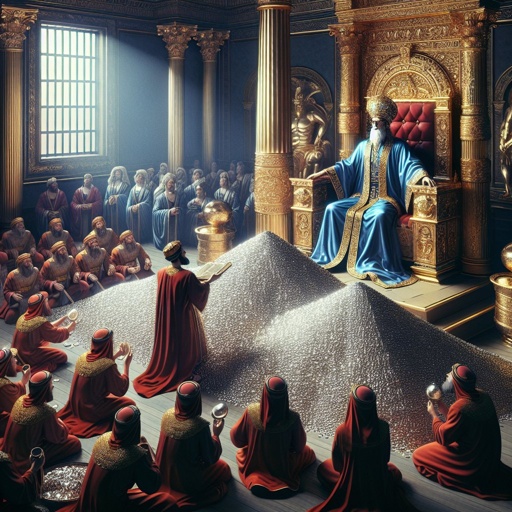
Esther 3:9 - "If it please the king, let it be written that they may be destroyed: and I will pay ten thousand talents of silver to the hands of those that have the charge of the business, to bring it into the king's treasuries."

Esther 9:29 - "Then Esther the queen, the daughter of Abihail, and Mordecai the Jew, wrote with all authority, to confirm this second letter of Purim."

"And Hatach came and told Esther the words of Mordecai." - Esther 4:9

Esther 9:8 - "And Poratha, and Adalia, and Aridatha,"

Esther 9:7 - "And Parshandatha, and Dalphon, and Aspatha,"

"And the decree of Esther confirmed these matters of Purim; and it was written in the book." - Esther 9:32
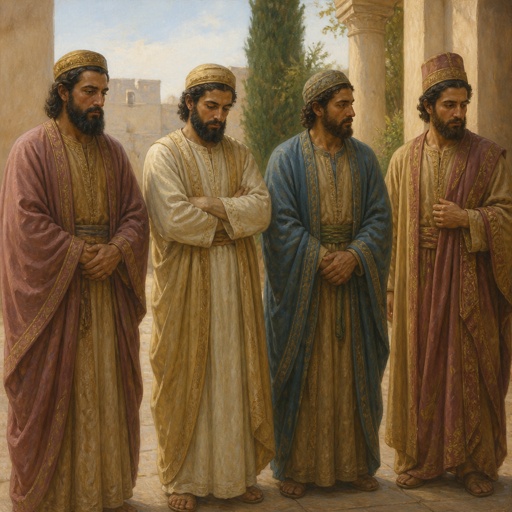
"And Parmashta, and Arisai, and Aridai, and Vajezatha," - Esther 9:9

Esther 5:3 - "Then said the king unto her, What wilt thou, queen Esther? and what is thy request? it shall be even given thee to the half of the kingdom."

Esther 9:31 - "To confirm these days of Purim in their times appointed, according as Mordecai the Jew and Esther the queen had enjoined them, and as they had decreed for themselves and for their seed, the matters of the fastings and their cry."

Esther 9:13 - "Then said Esther, If it please the king, let it be granted to the Jews which are in Shushan to do to morrow also according unto this day's decree, and let Haman's ten sons be hanged upon the gallows."
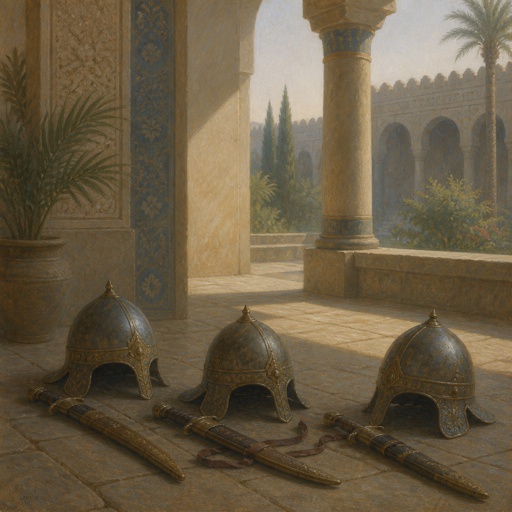
"And Parshandatha, and Dalphon, and Aspatha," - Esther 9:7
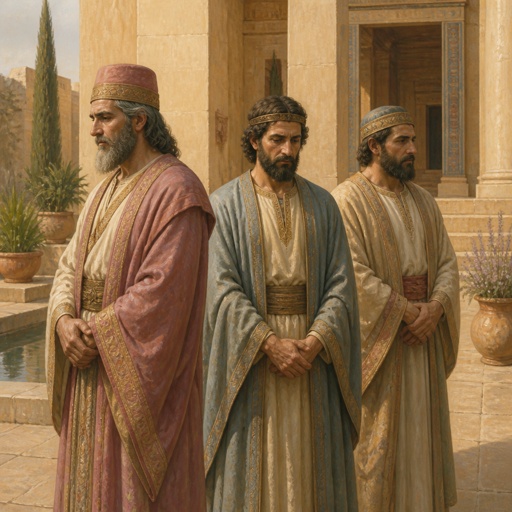
"And Poratha, and Adalia, and Aridatha," - Esther 9:8
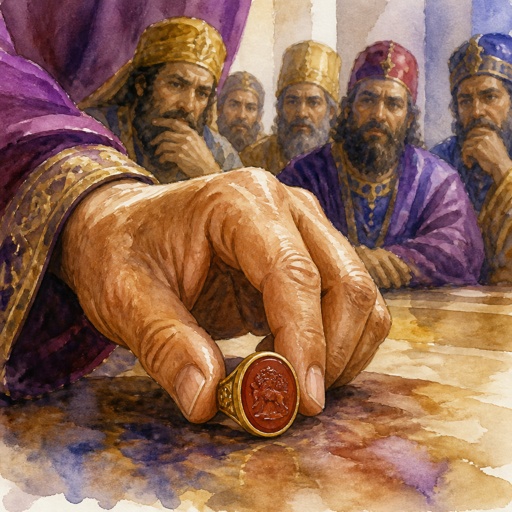
Esther 3:10 focus on ring

Esther 9:6 - "And in Shushan the palace the Jews slew and destroyed five hundred men."

Esther 3:3 - "Then the king's servants, which were in the king's gate, said unto Mordecai, Why transgressest thou the king's commandment?"

Esther 9:25 - "But when Esther came before the king, he commanded by letters that his wicked device, which he devised against the Jews, should return upon his own head, and that he and his sons should be hanged on the gallows."

Esther 8:3 - "¶ And Esther spake yet again before the king, and fell down at his feet, and besought him with tears to put away the mischief of Haman the Agagite, and his device that he had devised against the Jews."

Esther 9:10 - "The ten sons of Haman the son of Hammedatha, the enemy of the Jews, slew they; but on the spoil laid they not their hand."

Esther 9:11 - "On that day the number of those that were slain in Shushan the palace was brought before the king."

Esther 9:23 - "And the Jews undertook to do as they had begun, and as Mordecai had written unto them;"
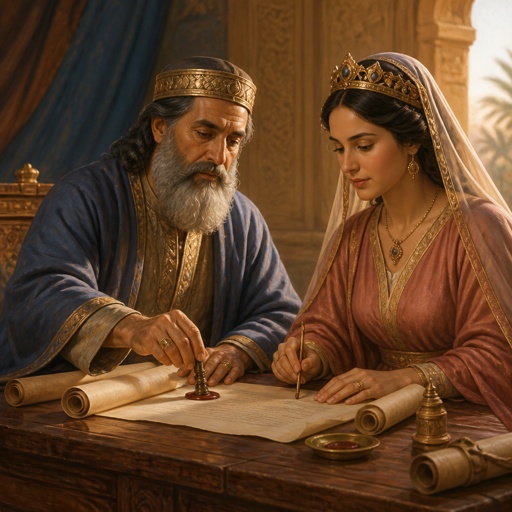
"Then Esther the queen, the daughter of Abihail, and Mordecai the Jew, wrote with all authority, to confirm this second letter of Purim." - Esther 9:29

Esther 7:3 - "Then Esther the queen answered and said, If I have found favour in thy sight, O king, and if it please the king, let my life be given me at my petition, and my people at my request:"

Esther 9:17 - "On the thirteenth day of the month Adar; and on the fourteenth day of the same rested they, and made it a day of feasting and gladness."

Esther 1:9 - "Also Vashti the queen made a feast for the women in the royal house which belonged to king Ahasuerus."

Esther 9:14 - "And the king commanded it so to be done: and the decree was given at Shushan; and they hanged Haman's ten sons."