The Rise of Mordecai: A Testament of God's Favor and Promotion
“For Mordecai was great in the king’s house, and his fame went out throughout all the provinces: for this man Mordecai waxed greater and greater.” — Esther 9:4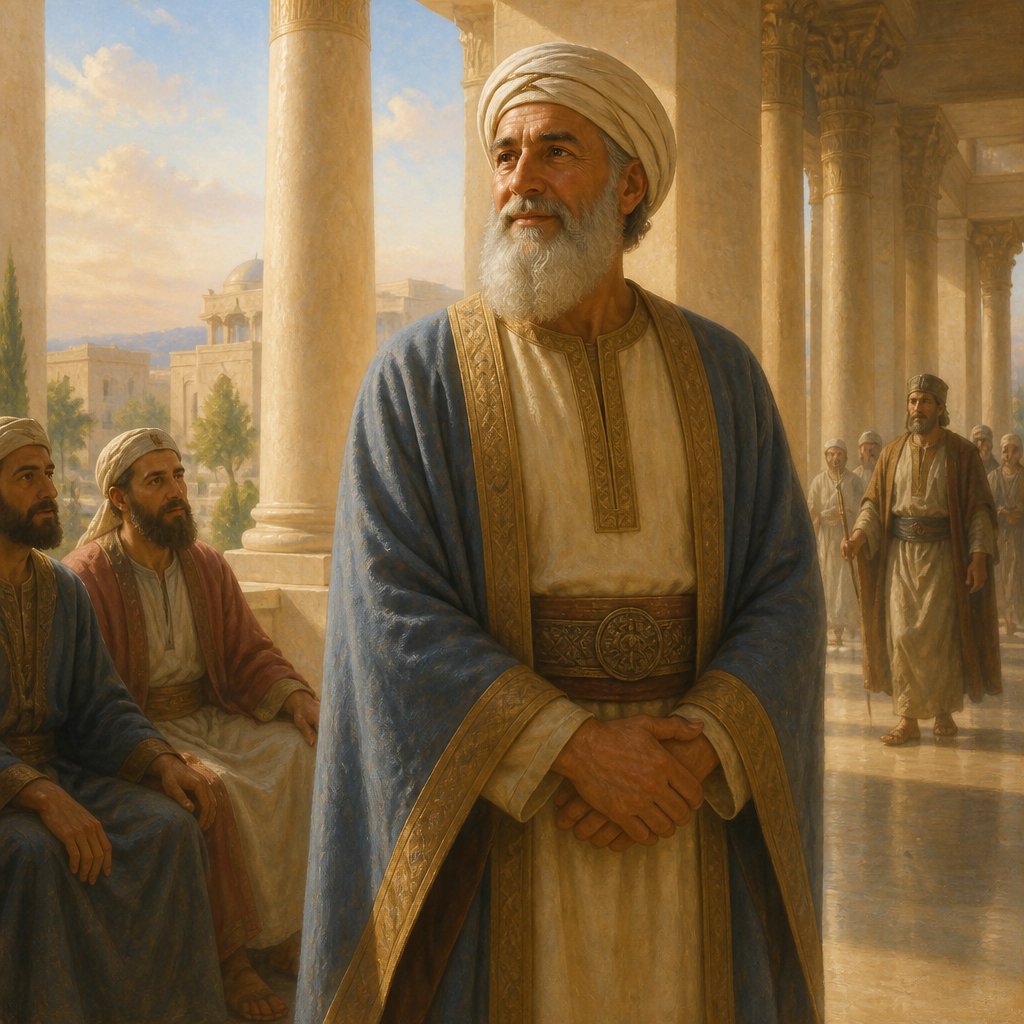
In the narrative of Esther, we encounter a profound illustration of faith, resilience, and divine promotion through the life of Mordecai. The verse Esther 9:4 reveals the culmination of Mordecai’s journey, stating, “For Mordecai was great in the king's house, and his fame went out throughout all the provinces: for this man Mordecai waxed greater and greater.” This powerful scripture not only signifies Mordecai’s earthly achievements but also encapsulates the essence of God’s divine orchestration in the lives of His faithful servants.
From the onset of the Book of Esther, the reader is introduced to Mordecai, a Jew living in exile in Persia. He is portrayed as a man of integrity who openly defies the edict of Haman, which sought the destruction of the Jewish people. Throughout the story, Mordecai embodies the qualities of courage, wisdom, and unwavering faith in God’s plan. The phrase “waxed greater and greater” reflects not only his increasing influence in the king's court but also the abundant blessings that accompany those who walk in obedience to God.
As we delve into the deeper meaning of this verse, we are reminded of the biblical principle found in Proverbs 3:34 (KJV), "Surely he scorneth the scorners: but he giveth grace unto the lowly." Mordecai’s humility and reliance on God positioned him for elevation in a foreign land. In moments of adversity, where the odds were stacked against him, Mordecai chose to trust in the Lord instead.
Mordecai's rise to prominence is a testament that God rewards those who honor Him. Consider that Mordecai was not just a passive figure in the narrative; he was active in advocating for his people, demonstrating not only loyalty to Esther but also to his heritage. His faith was shown through his actions, leading to the salvation of the Jews in a dire situation. This constitutes a significant aspect of spiritual promotion—understanding that great responsibilities often accompany greater favor.
Throughout Scripture, we see the pattern of God elevating those who seek Him. Joseph, from prisoner to prince, and David, from shepherd to king, both exemplified how God can take one from humble beginnings and fashion them into instruments for His glory. In Mordecai’s case, his integrity and firm stand against oppression transformed him from a mere advisor to an esteemed figure influencing national decisions.
The “fame” that spread across the provinces indicates not only recognition among the people but also serves as a reminder of how God uses our lives as testimonies to encourage others. In our workplaces, schools, and communities, living righteously can influence those around us. Mordecai’s life challenges us to consider: How are we representing our faith? Are we standing for righteousness in a world that often embraces compromise?
Additionally, we must not overlook the power of divine timing. Mordecai’s journey was not immediate; it was birthed through trials and tribulations that tested his faith. The delay before his elevation teaches us about patience and endurance, qualities that God cultivates in us as we await His promises. James 1:2-4 (KJV) encourages us to “count it all joy when ye fall into divers temptations,” for it is through testing that our faith is made perfect.
As we meditate on Mordecai's story and particularly this verse, let us pray for courage to stand firm in our faith, knowing that God is not only with us during the trials but is also positioning us for His greater purpose. Let us trust that in His timing, we too can experience the elevation and promotion that comes from living a life dedicated to Him. May Mordecai’s example inspire us to embrace God’s plan with confidence, knowing that when we are faithful, He will lift us up.
Get our apps


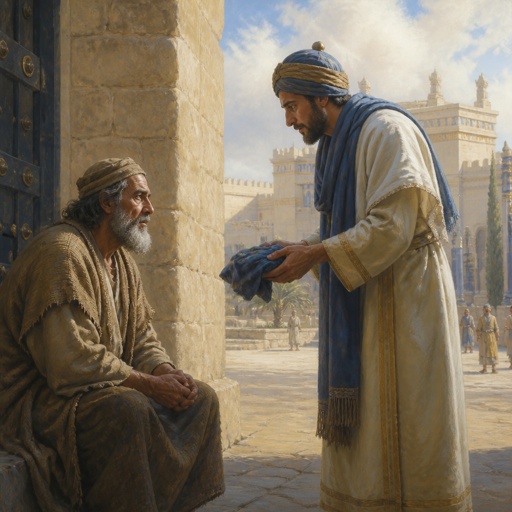
Artwork for Esther 9:4

Esther 9:4 - "For Mordecai was great in the king's house, and his fame went out throughout all the provinces: for this man Mordecai waxed greater and greater."
"For Mordecai was great in the king's house, and his fame went out throughout all the provinces: for this man Mordecai waxed greater and greater." - Esther 9:4

Esther 4:9 - "And Hatach came and told Esther the words of Mordecai."

"And Hatach came and told Esther the words of Mordecai." - Esther 4:9

Esther 9:32 - "And the decree of Esther confirmed these matters of Purim; and it was written in the book."

Esther 8:4 - "Then the king held out the golden sceptre toward Esther. So Esther arose, and stood before the king,"

Esther 4:15 - "¶ Then Esther bade them return Mordecai this answer,"

Esther 9:9 - "And Parmashta, and Arisai, and Aridai, and Vajezatha,"

Esther 4:10 - "¶ Again Esther spake unto Hatach, and gave him commandment unto Mordecai;"

Esther 9:29 - "Then Esther the queen, the daughter of Abihail, and Mordecai the Jew, wrote with all authority, to confirm this second letter of Purim."

Esther 9:8 - "And Poratha, and Adalia, and Aridatha,"

Esther 9:7 - "And Parshandatha, and Dalphon, and Aspatha,"

"And the decree of Esther confirmed these matters of Purim; and it was written in the book." - Esther 9:32

Esther 4:17 - "So Mordecai went his way, and did according to all that Esther had commanded him."

Esther 8:4
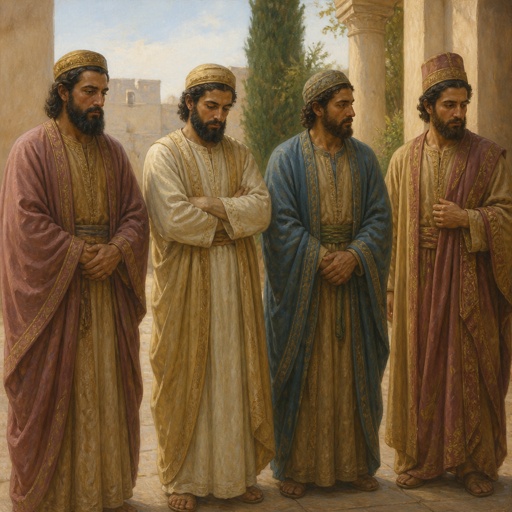
"And Parmashta, and Arisai, and Aridai, and Vajezatha," - Esther 9:9

Esther 4:12 - "And they told to Mordecai Esther's words."

"¶ Then Esther bade them return Mordecai this answer," - Esther 4:15

Esther 4:13 - "Then Mordecai commanded to answer Esther, Think not with thyself that thou shalt escape in the king's house, more than all the Jews."

Esther 5:4 - "And Esther answered, If it seem good unto the king, let the king and Haman come this day unto the banquet that I have prepared for him."

Esther 9:31 - "To confirm these days of Purim in their times appointed, according as Mordecai the Jew and Esther the queen had enjoined them, and as they had decreed for themselves and for their seed, the matters of the fastings and their cry."

Esther 9:13 - "Then said Esther, If it please the king, let it be granted to the Jews which are in Shushan to do to morrow also according unto this day's decree, and let Haman's ten sons be hanged upon the gallows."

"Then the king held out the golden sceptre toward Esther. So Esther arose, and stood before the king," - Esther 8:4

"And Parshandatha, and Dalphon, and Aspatha," - Esther 9:7

Esther 4:5 - "Then called Esther for Hatach, one of the king's chamberlains, whom he had appointed to attend upon her, and gave him a commandment to Mordecai, to know what it was, and why it was."
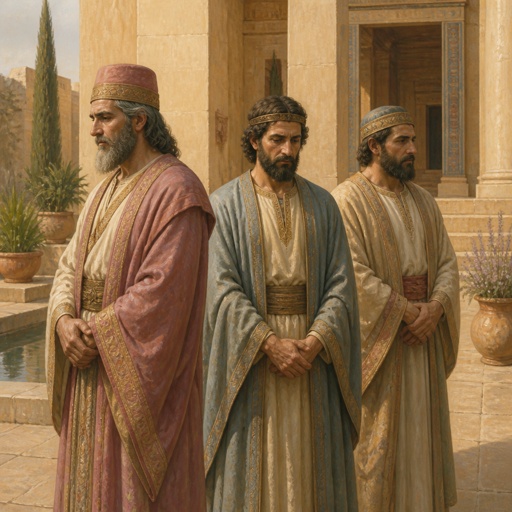
"And Poratha, and Adalia, and Aridatha," - Esther 9:8

Esther 9:6 - "And in Shushan the palace the Jews slew and destroyed five hundred men."

"¶ Again Esther spake unto Hatach, and gave him commandment unto Mordecai;" - Esther 4:10
"And they told to Mordecai Esther's words." - Esther 4:12

Esther 9:25 - "But when Esther came before the king, he commanded by letters that his wicked device, which he devised against the Jews, should return upon his own head, and that he and his sons should be hanged on the gallows."