The Unseen Threads of Divine Providence
“And Parshandatha, and Dalphon, and Aspatha,” — Esther 9:7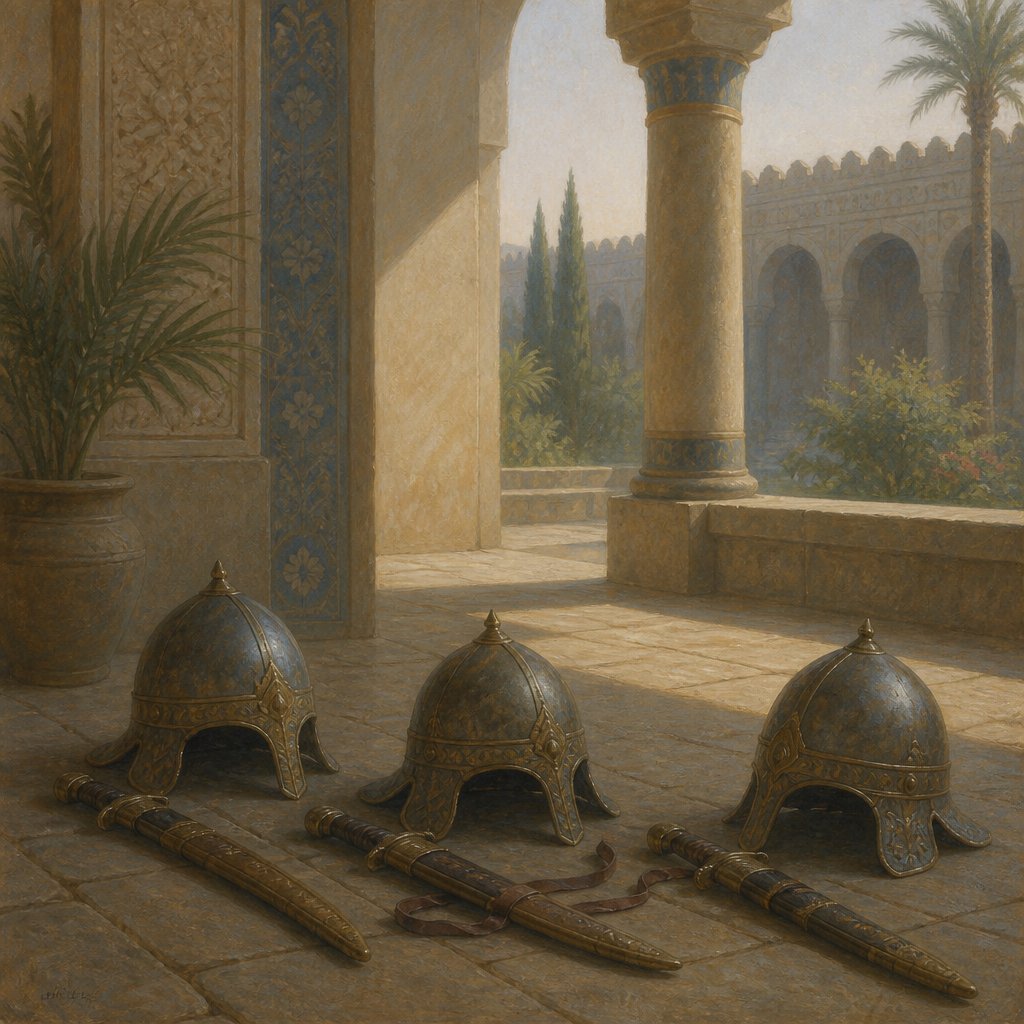
As we venture into the depths of the Book of Esther, we come to a peculiar moment in Esther 9:7, where we find the mention of names: "And Parshandatha, and Dalphon, and Aspatha." At first glance, this verse may seem like a mere footnote in the grand narrative of Esther, but within these names lies profound significance that opens our eyes to the themes of courage, legacy, and divine providence.
In Esther's story, we witness an incredible transformation. She, a Jewish orphan, becomes queen of Persia and faces the daunting task of interceding for her people. The backdrop is filled with danger as Haman, the king's advisor, plans to annihilate the Jews. Esther's courage in approaching King Xerxes, her strategic planning, and the eventual downfall of Haman is not just history; it’s a vivid illustration of God's providential hand at work.
The names mentioned in Esther 9:7 are not random; they serve a purpose. Each name holds its weight, symbolizing portions of the Jewish community’s identity, continuity, and remembrance in the face of existential peril. Ancient cultures placed great importance on names, as they often conveyed meaning and carried the legacy of ancestors. Parshandatha, Dalphon, and Aspatha were among the ten sons of Haman who faced execution for their wicked plot, serving as reminders of the consequences of hatred and pride.
The mention of these names invites us to reflect on the legacy we leave behind. Each of us carries a heritage, defined not only by our ancestry but also by the choices we make and the battles we fight. When we stand firm in our faith, like Esther did, we create a legacy of courage and conviction that echoes through generations. Consider the stories we tell – what will be said of us in years to come? Will they recount our acts of valor, or will they speak of our silence in the face of injustice?
Moreover, in this rich tapestry of the story, we see how God weaves the lives of seemingly insignificant individuals into the grand narrative of His redemption plan. Esther wasn’t just a queen; she became a symbol of hope and bravery. When we recognize these threads of divine providence, we learn to trust that God is orchestrating a plan far greater than our limited understanding. Even in the darkest moments, when the shadows of despair loom large, He is working behind the scenes, orchestrating events and raising up people who will fulfill His purpose.
Esther's story reminds us that we may find ourselves at crucial crossroads, where our courage and faith can either save lives or fall into obscurity. It urges us to step boldly into our divine calling, understanding that we are often instruments in God’s hands, sometimes without even realizing it. The faithful actions of one individual have the potential to ripple through to countless lives; we see this in Esther, whose boldness saved her people, leading to the joy marked by the Feast of Purim.
As we meditate on Esther 9:7, ask yourself: What legacy am I building? Am I responding courageously when my faith is challenged? Do I discourage tarnishing others’ names through my actions or words? Let us remember the names of those who have come before us, like Esther, who paved the way for righteousness and justice. As believers, we must embrace our role in history, not just for our own benefit but as part of a greater collective destiny under God’s watchful eye.
In conclusion, let us draw strength from the strength of our ancestors and the narratives intertwined with lives like Esther’s. Allow the names and experiences shared in the Bible to inspire your journey. Just as Parshandatha, Dalphon, and Aspatha did not fade away quietly in history, neither shall our lives be insignificant. In Christ, we build a legacy that echoes for generations, one of faith, courage, and divine providence.
Get our apps


Artwork for Esther 9:7

Esther 9:7 - "And Parshandatha, and Dalphon, and Aspatha,"
"And Parshandatha, and Dalphon, and Aspatha," - Esther 9:7

Esther 4:9 - "And Hatach came and told Esther the words of Mordecai."

Esther 9:32 - "And the decree of Esther confirmed these matters of Purim; and it was written in the book."

Esther 5:7 - "Then answered Esther, and said, My petition and my request is;"

Esther 7:1 - "So the king and Haman came to banquet with Esther the queen."

Esther 9:9 - "And Parmashta, and Arisai, and Aridai, and Vajezatha,"

Esther 7:6 - "And Esther said, The adversary and enemy is this wicked Haman. Then Haman was afraid before the king and the queen."

Esther 9:29 - "Then Esther the queen, the daughter of Abihail, and Mordecai the Jew, wrote with all authority, to confirm this second letter of Purim."

"And Hatach came and told Esther the words of Mordecai." - Esther 4:9

Esther 9:8 - "And Poratha, and Adalia, and Aridatha,"

"And the decree of Esther confirmed these matters of Purim; and it was written in the book." - Esther 9:32

Esther 7:2 - "And the king said again unto Esther on the second day at the banquet of wine, What is thy petition, queen Esther? and it shall be granted thee: and what is thy request? and it shall be performed, even to the half of the kingdom."

Esther 7:7 - "¶ And the king arising from the banquet of wine in his wrath went into the palace garden: and Haman stood up to make request for his life to Esther the queen; for he saw that there was evil determined against him by the king."
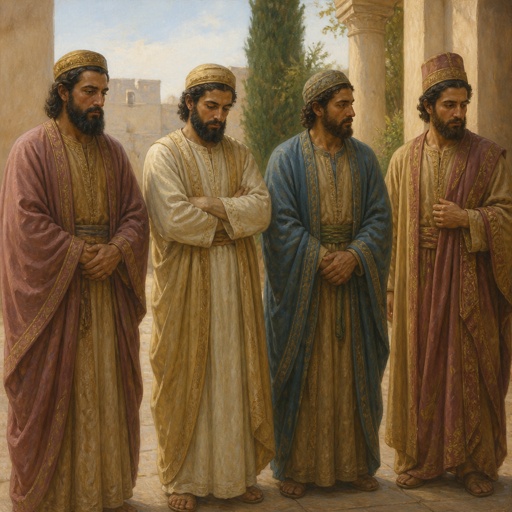
"And Parmashta, and Arisai, and Aridai, and Vajezatha," - Esther 9:9

"So the king and Haman came to banquet with Esther the queen." - Esther 7:1

Esther 8:7 - "¶ Then the king Ahasuerus said unto Esther the queen and to Mordecai the Jew, Behold, I have given Esther the house of Haman, and him they have hanged upon the gallows, because he laid his hand upon the Jews."
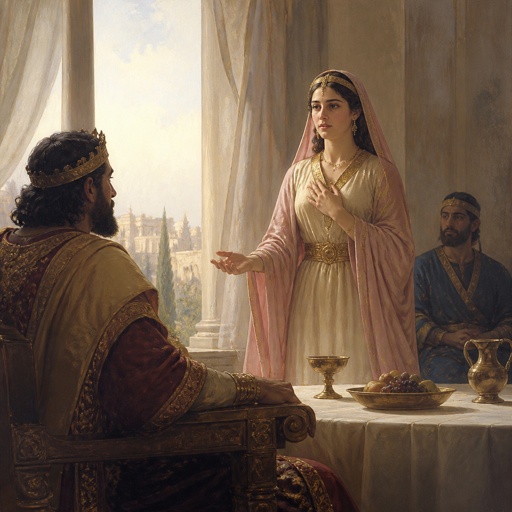
"Then answered Esther, and said, My petition and my request is;" - Esther 5:7

Esther 7:5 - "¶ Then the king Ahasuerus answered and said unto Esther the queen, Who is he, and where is he, that durst presume in his heart to do so?"
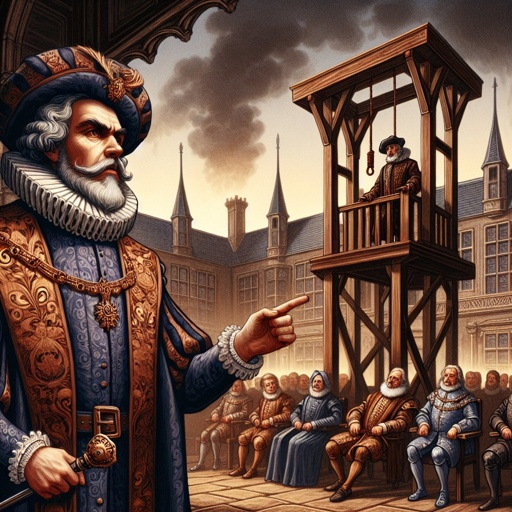
Esther 7:9 - "And Harbonah, one of the chamberlains, said before the king, Behold also, the gallows fifty cubits high, which Haman had made for Mordecai, who had spoken good for the king, standeth in the house of Haman. Then the king said, Hang him thereon."

Esther 9:31 - "To confirm these days of Purim in their times appointed, according as Mordecai the Jew and Esther the queen had enjoined them, and as they had decreed for themselves and for their seed, the matters of the fastings and their cry."

Esther 9:13 - "Then said Esther, If it please the king, let it be granted to the Jews which are in Shushan to do to morrow also according unto this day's decree, and let Haman's ten sons be hanged upon the gallows."
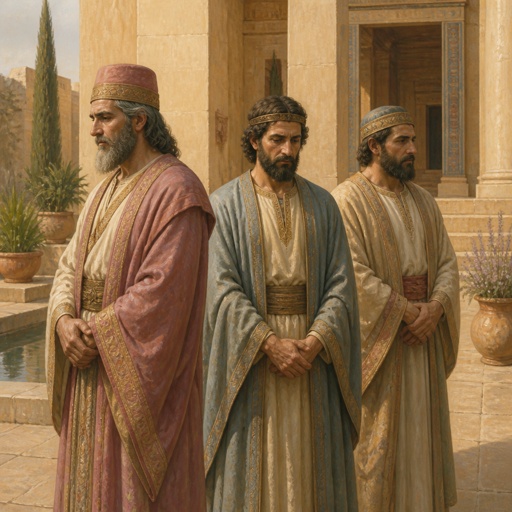
"And Poratha, and Adalia, and Aridatha," - Esther 9:8

Esther 9:6 - "And in Shushan the palace the Jews slew and destroyed five hundred men."

Esther 6:7 - "And Haman answered the king, For the man whom the king delighteth to honour,"

"And Esther said, The adversary and enemy is this wicked Haman. Then Haman was afraid before the king and the queen." - Esther 7:6

Esther 7:3 - "Then Esther the queen answered and said, If I have found favour in thy sight, O king, and if it please the king, let my life be given me at my petition, and my people at my request:"

Esther 9:25 - "But when Esther came before the king, he commanded by letters that his wicked device, which he devised against the Jews, should return upon his own head, and that he and his sons should be hanged on the gallows."

Esther 9:10 - "The ten sons of Haman the son of Hammedatha, the enemy of the Jews, slew they; but on the spoil laid they not their hand."

Esther 9:11 - "On that day the number of those that were slain in Shushan the palace was brought before the king."