The Power of Repentance: A Cry for Forgiveness
“Now therefore forgive, I pray thee, my sin only this once, and intreat the LORD your God, that he may take away from me this death only.” — Exodus 10:17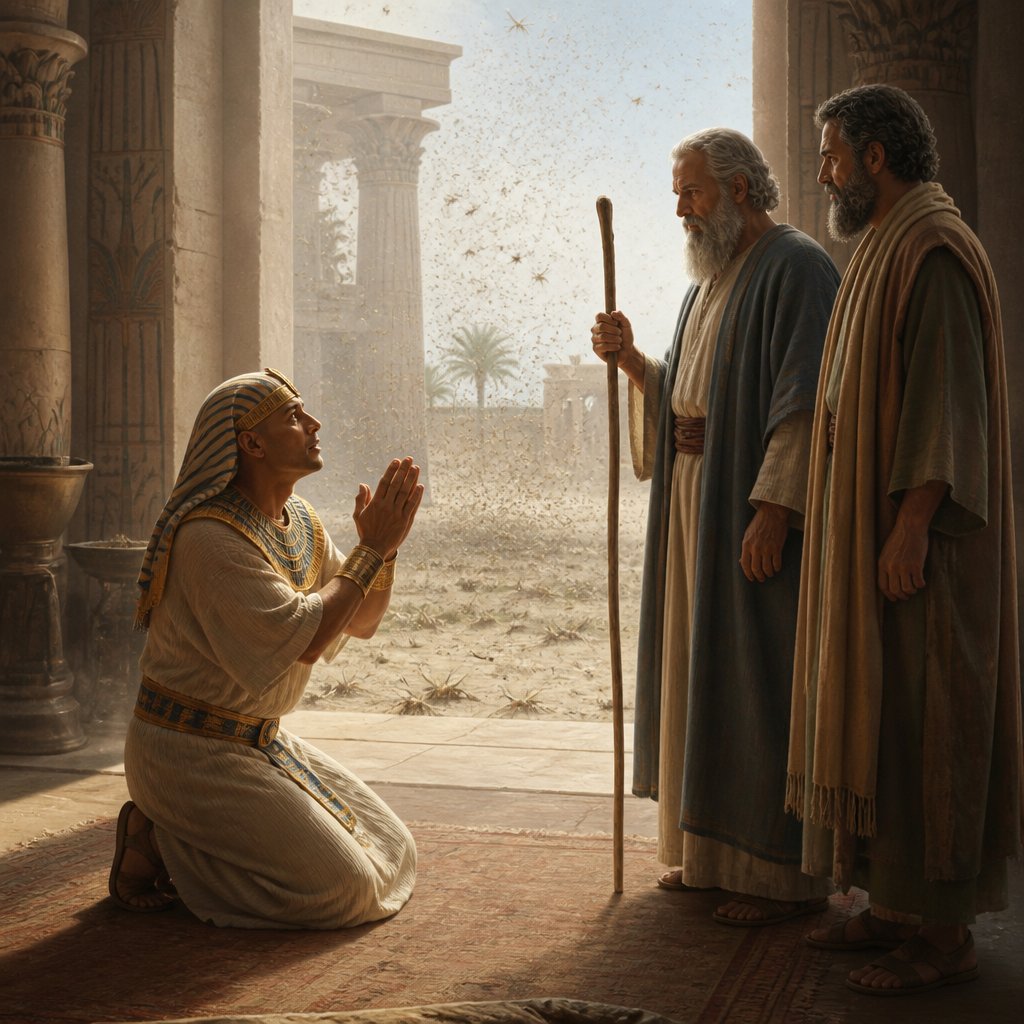
In the book of Exodus, we encounter a compelling moment that speaks volumes about the relationship between humanity and divinity. The verse in Exodus 10:17 reads, “Now therefore forgive, I pray thee, my sin only this once, and intreat the LORD your God, that he may take away from me this death only.” This plea comes from Pharaoh, a man who held power yet was entirely powerless against the character of the Almighty God. It embodies desperation, vulnerability, and the complex nature of repentance.
At the heart of this request lies an acknowledgment of sin. Pharaoh, despite his hardened heart and defiance against the God of Israel, reaches a critical juncture where he recognizes his need for mercy. The weight of his decisions and the consequences that followed the plagues is evident in this cry for forgiveness. It reflects not only his fear of the physical death of his people but also an awareness of spiritual death that accompanies unrepentant sin.
Pharaoh's plea, “forgive, I pray thee, my sin only this once,” reveals the nature of repentance. True repentance is not simply a desire to escape the consequences of our actions but a heartfelt cry to the God we have offended. Pharaoh's request is a poignant reminder that sin, while it often leads us into a spiral of destruction, can also lead us back to the feet of the Savior when we acknowledge our wrongs.
The phrase “only this once” speaks to the urgency and earnestness of Pharaoh’s heart. With the threat of immediate death looming over him and his kingdom, he grasps at the last thread of hope, requesting that God would consider his petition just one final time. As we reflect on these words, we must recognize that our relationship with God is not transactional. He does not merely respond to our pleas in the moment of crisis; rather, He desires a deep, abiding relationship with us, characterized by integrity, honesty, and ongoing repentance.
Furthermore, Pharaoh’s act of asking Moses to “intreat the LORD your God” showcases his understanding that Moses was an intermediary. He acknowledges the distance that sin has created between himself and the Lord—a distance that he cannot bridge on his own. This brings to mind the role of Christ as our Mediator. In moments when we find ourselves ensnared in sin, it is Jesus who advocates for us before the Father. He is the one who pleads our case, knowing that we are unable to redeem ourselves from the clutches of sin and death.
As we apply this scripture in our lives today, we must remember that repentance is an ongoing process. Perhaps we, too, feel like Pharaoh at times—caught in cycles of sin, pleading for relief while often resuming our hardened ways. It challenges us to examine our hearts sincerely. Are we genuinely seeking forgiveness for the sake of restoration, or are we merely seeking alleviation from the consequences? God desires authentic repentance, where we turn away from sin and towards His merciful embrace.
The consequences of sin may lead to physical and spiritual death, but the beauty of God’s grace is that He always stands ready to forgive us. The Lord is merciful and gracious, slow to anger, and plenteous in mercy. Our cries must rise like incense before Him, acknowledging our wrongs and trusting in His unfailing love to redeem us from our shortcomings.
In conclusion, Exodus 10:17 is more than just a request for forgiveness; it is a powerful reminder of the God who forgives. It calls us all to a posture of humility, recognizing our sins and coming before the Lord with our requests. May we learn from Pharaoh's experience, turning our hearts toward sincere repentance, and may we always find our hope in the mercy of God, who forgives and restores. As we move forward in our spiritual journey, let’s remember that no request for forgiveness is too small or too late to bring to the Lord.
Get our apps


Artwork for Exodus 10:17

Exodus 10:17 - "Now therefore forgive, I pray thee, my sin only this once, and intreat the LORD your God, that he may take away from me this death only."
"Now therefore forgive, I pray thee, my sin only this once, and intreat the LORD your God, that he may take away from me this death only." - Exodus 10:17
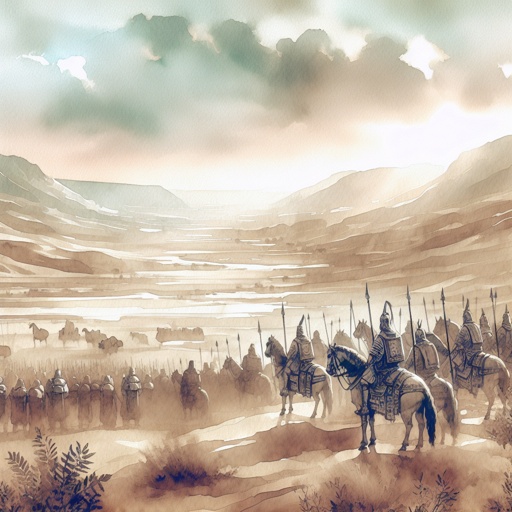
Exodus 17:10

Exodus 17:10 - "So Joshua did as Moses had said to him, and fought with Amalek: and Moses, Aaron, and Hur went up to the top of the hill."

Exodus 17:11

Exodus 17:6

Exodus 17:3

Exodus 17:3

Exodus 17:6

Exodus 17:6

Exodus 24:17

Exodus 17:6

Exodus 30:17 - "¶ And the LORD spake unto Moses, saying,"

Exodus 17:8 - "¶ Then came Amalek, and fought with Israel in Rephidim."

"So Joshua did as Moses had said to him, and fought with Amalek: and Moses, Aaron, and Hur went up to the top of the hill." - Exodus 17:10

Exodus 7:10

Exodus 7:10

Exodus 10:12

Exodus 10:12

Exodus 10:12

Exodus 13:17-14:29

Romans 10:17

Romans 10:17

Romans 10:17

Exodus 6:17 - "The sons of Gershon; Libni, and Shimi, according to their families."

Exodus 34:17 - "Thou shalt make thee no molten gods."

Romans 10:17

Romans 10:17

Romans 10:17

Exodus 17:15 - "And Moses built an altar, and called the name of it Jehovah-nissi:"