The Cost of Compromise: Understanding Pharaoh's Bargain
"And Pharaoh called unto Moses, and said, Go ye, serve the LORD; only let your flocks and your herds be stayed: let your little ones also go with you." - Exodus 10:24
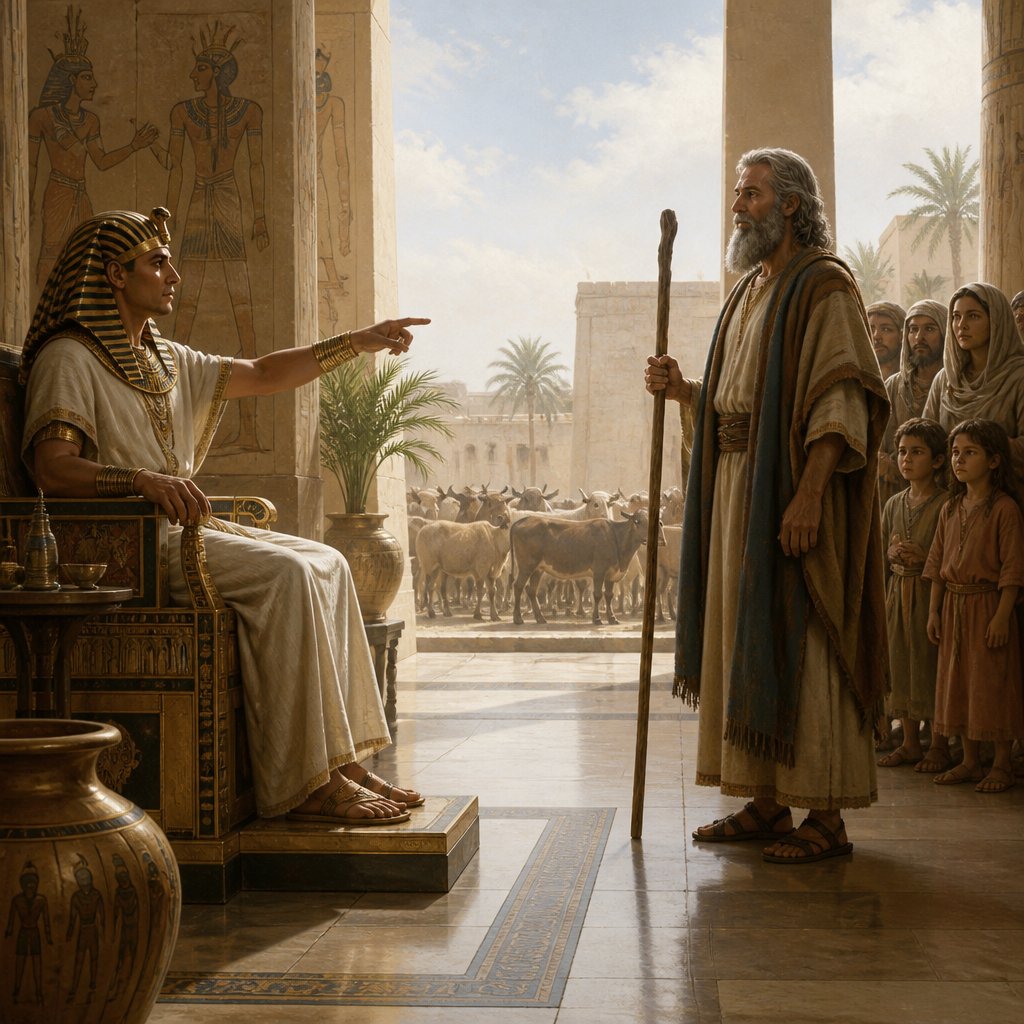
In Exodus 10:24, we encounter a pivotal moment in the narrative of the Exodus: "And Pharaoh called unto Moses, and said, Go ye, serve the LORD; only let your flocks and your herds be stayed: let your little ones also go with you." This verse sheds light on the dynamics of power, obedience, and the subtlety of compromise—an echo of struggles faced by believers even today.
Pharaoh’s declaration to Moses represents a significant, albeit reluctant, shift in his stance. After enduring numerous plagues, his heart softened, and he recognized the necessity of allowing the Israelites to worship their God in the wilderness. However, his conditions reveal the complexity of his heart—while some concessions are made, he attempts to retain control over what he deems essential.
"Only let your flocks and your herds be stayed"—Pharaoh’s insistence reveals a critical temptation faced not only by Moses and the Israelites but also by believers today: the offer to worship while sacrificing vital parts of our spiritual life. In the context of ancient Israelites, their livestock represented their livelihood, identity, and relational sovereignty with God. For them to leave without their flocks would mean returning to servitude, stripped of their means of sustenance and worship.
This moment begs the question: How often do we find ourselves in the presence of spiritual compromise? In our lives, we may feel the tug of surrendering fully to God but encounter hesitations rooted in fear or pride, holding back parts of ourselves. We may say, “I will serve God, but I cannot let go of this habit,” or “I will seek God’s presence but not sacrifice my time for fellowship.”
Pharaoh's request to leave the children behind serves as a poignant reminder of the cascading impacts of our spiritual choices. Children, often viewed as the future, symbolize our legacy in faith. The act of withholding them from the journey signifies a lack of faith in God’s ultimate plan. For believers, this also raises a significant point about generational faith—how do our spiritual choices affect those who come after us? Are we keeping our children in the house of bondage if we don’t bring them along on our journey of faith?
Likewise, Pharaoh's compromise reflects the temptations we face from external pressures to dilute our faith. Society often encourages a selective approach to spiritual commitment, promoting a way of living that prioritizes personal gain over obedience to God. However, this is not how God calls us to live. He desires our whole being—spirit, soul, and body—committed to Him.
The narrative offers hope and a challenge wrapped together. Moses stands firm in his mission to deliver not just the adults but the little ones as well, emphasizing that true worship must encompass all aspects of life—our families, our work, and our very identity as children of God. He does not settle for less than what God demanded, teaching us that partial obedience is still disobedience. The challenges we perceive should not deter us from believing that God can and will provide for us as we commit ourselves entirely to Him.
In closing, Exodus 10:24 invites us into a deeper understanding of God’s call to worship and obedience. It encourages us to examine where we may be tempted to compromise and reminds us that following God requires surrendering all areas of our lives to Him. May we learn from Moses, standing firm against the pressures of compromise, seeking complete freedom in our worship while ushering our families along the path of faith. Let us ask the Holy Spirit to reveal any areas where we are withholding part of ourselves from God and embrace the fullness of His call to serve Him, bringing all that we are—for His glory and our ultimate good.
Want to reflect more on Exodus 10:24?
Continue your spiritual journey with Bible Chat — an AI-powered tool for exploring God's Word through conversation. Ask questions, discover connections, and deepen your understanding.
Get Our Apps


Exodus 10:24 Artwork

Exodus 10:24 - "¶ And Pharaoh called unto Moses, and said, Go ye, serve the LORD; only let your flocks and your herds be stayed: let your little ones also go with you."
"¶ And Pharaoh called unto Moses, and said, Go ye, serve the LORD; only let your flocks and your herds be stayed: let your little ones also go with you." - Exodus 10:24

Exodus 24:10 – "Under his feet was something like a pavement made of lapis lazuli, as bright blue as the sky."

Exodus 24:10 - "And they saw the God of Israel: and there was under his feet as it were a paved work of a sapphire stone, and as it were the body of heaven in his clearness."

Exodus 24:16

Exodus 24:17

Exodus 24:4

Exodus 7:14-24

Exodus 24:9-11
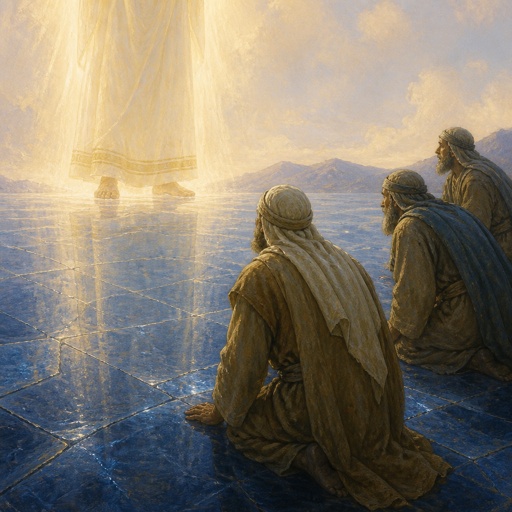
"And they saw the God of Israel: and there was under his feet as it were a paved work of a sapphire stone, and as it were the body of heaven in his clearness." - Exodus 24:10

Exodus 6:24 - "And the sons of Korah; Assir, and Elkanah, and Abiasaph: these are the families of the Korhites."

Exodus 24:15 - "And Moses went up into the mount, and a cloud covered the mount."

The Plague of Blood - Exodus 7:14-24

The Plague of Blood - Exodus 7:14-24

The Plague of Blood - Exodus 7:14-24

The Plague of Blood - Exodus 7:14-24

Exodus 7:10

Exodus 7:10

Exodus 21:24 - "Eye for eye, tooth for tooth, hand for hand, foot for foot,"

Exodus 37:24 - "Of a talent of pure gold made he it, and all the vessels thereof."

Exodus 10:12
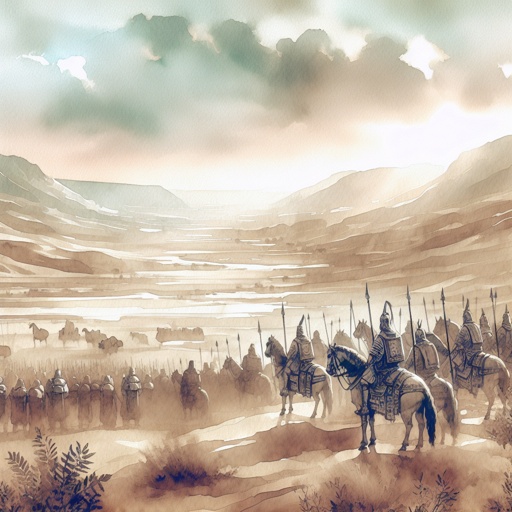
Exodus 17:10

Exodus 10:12

Exodus 10:12

Genesis 24:10

Exodus 12:24 - "And ye shall observe this thing for an ordinance to thee and to thy sons for ever."

Exodus 15:24 - "And the people murmured against Moses, saying, What shall we drink?"

Exodus 24:9 - "¶ Then went up Moses, and Aaron, Nadab, and Abihu, and seventy of the elders of Israel:"

Exodus 2:24 - "And God heard their groaning, and God remembered his covenant with Abraham, with Isaac, and with Jacob."

Nehemiah 10:24 - "Hallohesh, Pileha, Shobek,"