The Cry of Desperation: Lessons from Exodus 11:6
"And there shall be a great cry throughout all the land of Egypt, such as there was none like it, nor shall be like it any more." - Exodus 11:6
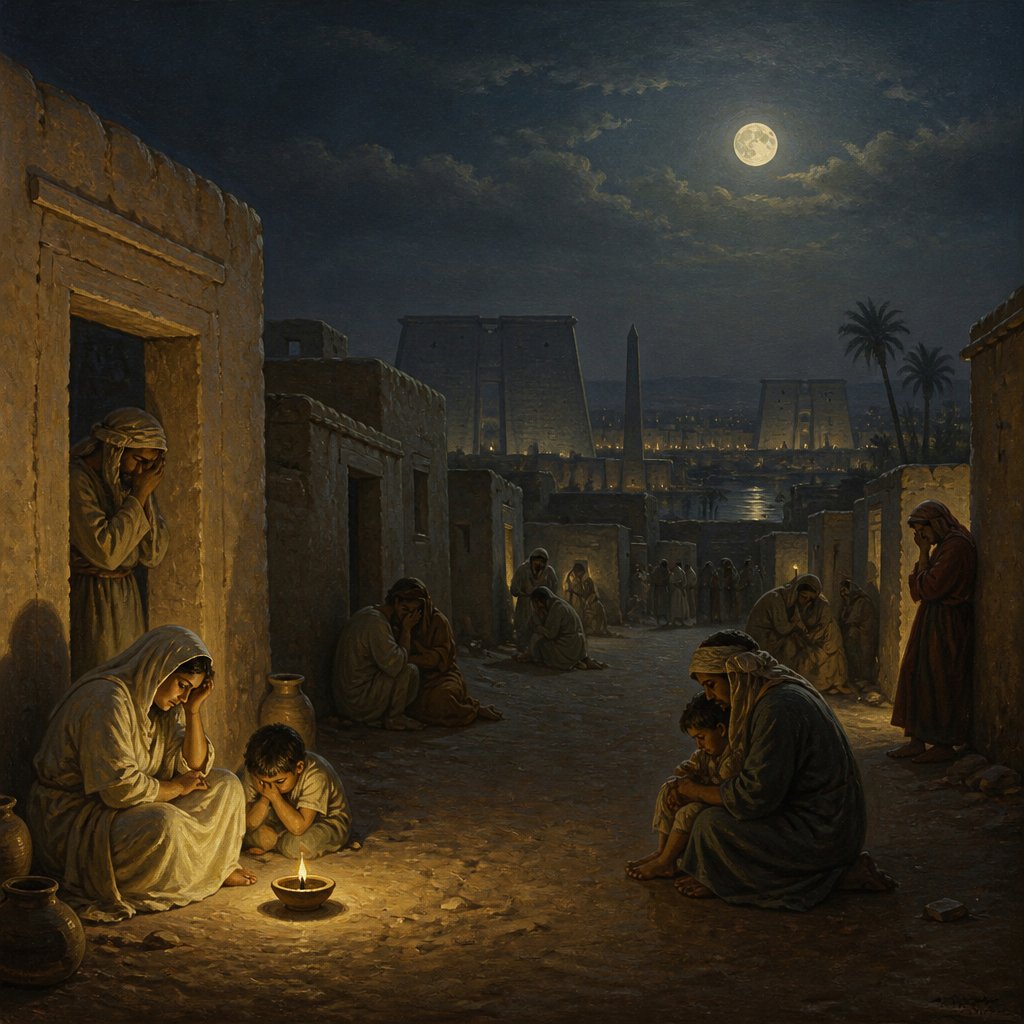
In the narrative of Exodus, we find ourselves immersed in a climactic moment of divine judgment—the plagues of Egypt. This particular verse, Exodus 11:6, resounds with a gravity that reverberates through the corridors of time: "And there shall be a great cry throughout all the land of Egypt, such as there was none like it, nor shall be like it any more."
On the surface, this proclamation may seem stark and shattering. It comes as a foreboding message from God through Moses to Pharaoh and the Egyptians, foretelling the death of the firstborns, a most severe consequence for the persistent hardness of Pharaoh's heart. Each plague had been a demonstration of God's power, a call to repentance, a window into His justice and mercy. However, the final plague culminates in an unparalleled tragedy, unmatched in the annals of history.
To comprehend the profound implications of this proclamation, we must grasp the context in which it is delivered. The Egyptians worshipped numerous gods, believing their deities could protect them and provide for them. Yet, in a single night, their strongest god—their firstborn—would face judgment. This act was not merely a punishment; it was God revealing to Egypt the futility of their false beliefs, the impotence of their idols.
In our lives today, the concept of idolatry still holds relevance. While we may not craft golden images to worship, we often place our trust in possessions, status, relationships, and self-sufficiency. Just as the Egyptians learned that their reliance on false gods could lead to unimaginable loss, we too may come to moments of sobering realization when the things we cling to are stripped away, leaving us exposed and vulnerable. God’s proclamation of the great cry in Egypt serves as a stern reminder of the ultimate cost of disobedience and rejection of His sovereignty.
The cry throughout Egypt signifies a depth of despair that encapsulates not only the emotional turmoil of losing loved ones but also the breaking point for a nation that turned away from the living God. It demonstrates the profound pain that sin engenders—not just in moments of loss, but in the recognition of what could have been had there been genuine repentance and faith. This aspect is particularly poignant for us: when we choose our own paths over God’s, we invite not just immediate consequences, but a ripple of outcomes that affect our relationships, dreams, and spiritual standing.
However, alongside the cry of judgment lies a message of hope and redemption. God, in His perfect justice, extends grace even in the midst of impending doom. The Israelites were instructed to mark their doorposts with the blood of the lamb, a symbol that would spare them from the judgment that afflicted the Egyptians. This deliverance foreshadows the ultimate sacrifice of Christ—the Lamb of God—who would one day provide a way for humanity to escape eternal separation from God. Just as the blood protected the Israelites, so too does the sacrifice of Jesus protect all who believe in Him from the impending judgment of sin.
As we reflect on Exodus 11:6, we are invited to evaluate our foundations. Where is our trust anchored? Are we clinging to the ephemeral, or are we resting in the assurance of God’s steadfastness? The cry that echoed throughout Egypt signals both a warning and a call—an invitation to turn back to the Lord, to seek refuge in the promises of Christ, where the cry of despair is replaced by the song of salvation.
Thus, let us heed the message of Exodus 11:6. It is not merely a historical account, but a poignant reminder that obedience to God comes with the promise of His protection and mercy. In our cries—whether of despair or joy—may we always return to the Lamb that was slain, for in Him, there is love that conquers all cries of anguish, leading us towards both hope and healing.
Want to reflect more on Exodus 11:6?
Continue your spiritual journey with Bible Chat — an AI-powered tool for exploring God's Word through conversation. Ask questions, discover connections, and deepen your understanding.
Get Our Apps


Exodus 11:6 Artwork

Exodus 11:6 - "And there shall be a great cry throughout all the land of Egypt, such as there was none like it, nor shall be like it any more."
"And there shall be a great cry throughout all the land of Egypt, such as there was none like it, nor shall be like it any more." - Exodus 11:6

Exodus 6:11 - "Go in, speak unto Pharaoh king of Egypt, that he let the children of Israel go out of his land."

exodus 18:11
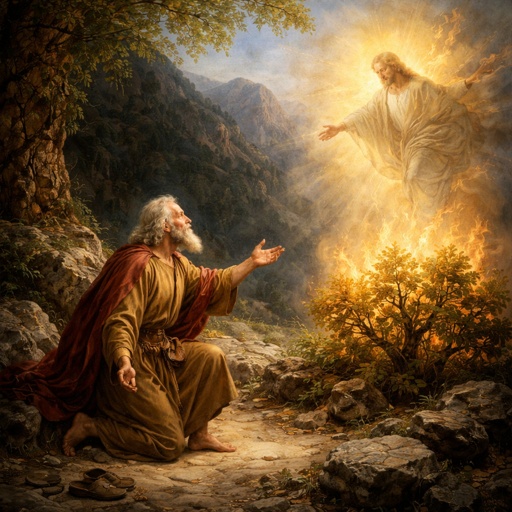
exodus 3:11

Exodus 17:11
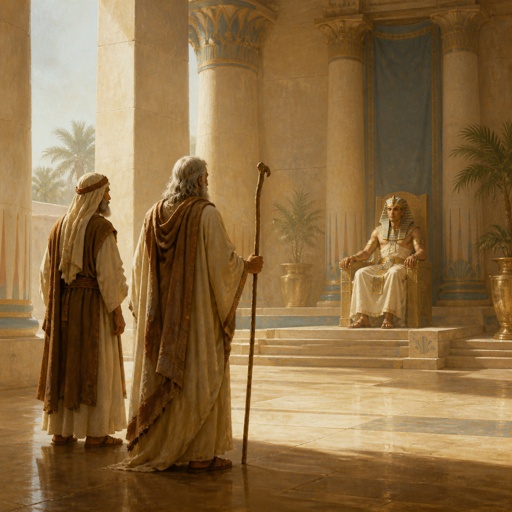
"Go in, speak unto Pharaoh king of Egypt, that he let the children of Israel go out of his land." - Exodus 6:11
Exodus 17:6

Exodus 17:6

Exodus 17:6

Exodus 17:6

The Plague on the Firstborn - Exodus 11
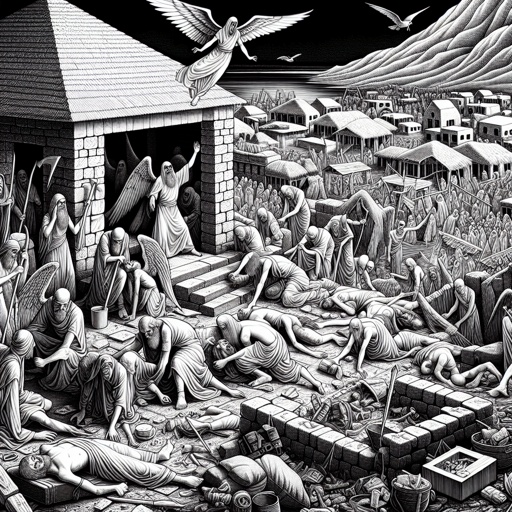
The Plague on the Firstborn - Exodus 11

The Plague on the Firstborn - Exodus 11
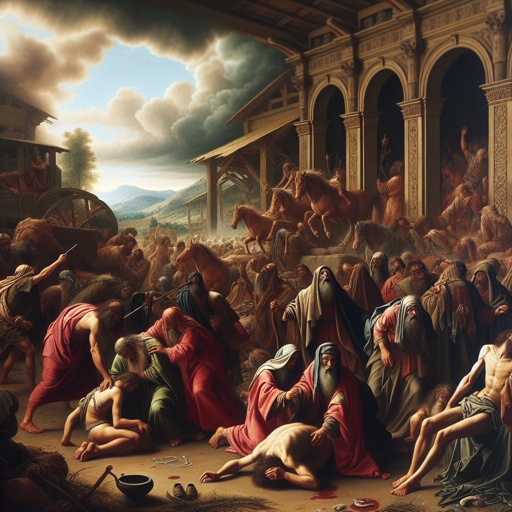
The Plague on the Firstborn - Exodus 11

Exodus 24:9-11

The Plague on the Firstborn - Exodus 11

The Plague on the Firstborn - Exodus 11

Exodus 16:11 - "¶ And the LORD spake unto Moses, saying,"

Exodus 30:11 - "¶ And the LORD spake unto Moses, saying,"

Exodus 39:11 - "And the second row, an emerald, a sapphire, and a diamond."

The Plague on the Firstborn Son - Exodus 11

Exodus 6:21 - "¶ And the sons of Izhar; Korah, and Nepheg, and Zichri."

Exodus 6:22 - "And the sons of Uzziel; Mishael, and Elzaphan, and Zithri."

Exodus 6:10 - "And the LORD spake unto Moses, saying,"

Exodus 40:11 - "And thou shalt anoint the laver and his foot, and sanctify it."

Exodus 6:17 - "The sons of Gershon; Libni, and Shimi, according to their families."

Exodus 35:6 - "And blue, and purple, and scarlet, and fine linen, and goats' hair,"

Exodus 25:6 - "Oil for the light, spices for anointing oil, and for sweet incense,"

Exodus 1:6 - "And Joseph died, and all his brethren, and all that generation."