Listening to the Voice of God: A Devotional on Exodus 12:1
"And the LORD spake unto Moses and Aaron in the land of Egypt, saying," - Exodus 12:1
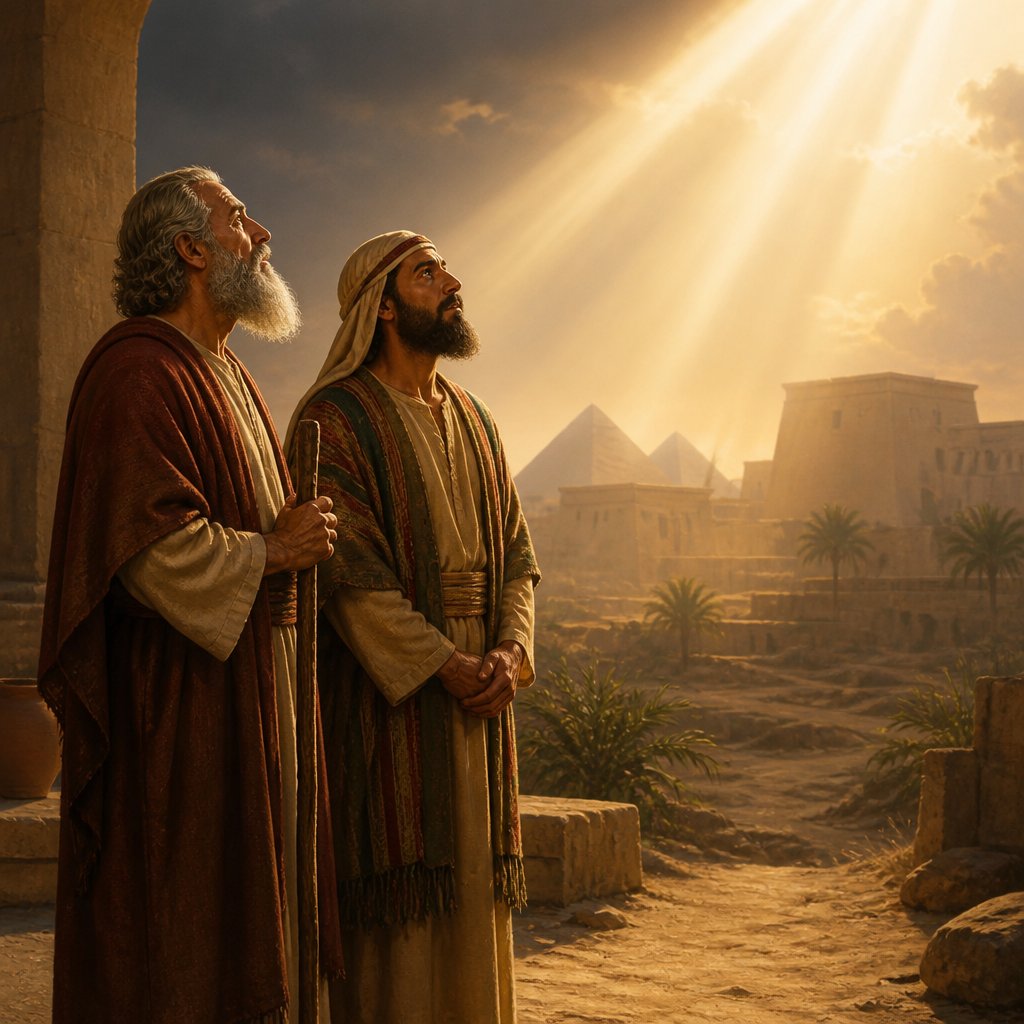
In the hustle and bustle of life, often drowned out by our daily routines and preoccupations, we forget to listen for the divine voice calling to us. The journey of faith requires attentiveness, yet it is so easy to become deafened by the noise around us and the clamor within. In Exodus 12:1, the narrative begins with a simple yet profoundly significant statement: "And the LORD spake unto Moses and Aaron in the land of Egypt, saying..." (KJV). This moment marks a turning point in the exodus story, revealing the importance of divine communication in our lives.
The context of this verse is crucial. The Israelites had suffered under the oppression of Egyptian rule for hundreds of years, their cries for help reaching the ears of God. Now, amidst their despair, divine intervention was imminent. God was about to deliver His people from bondage—a clear testament of His love and commitment to His covenant. Here, we see the first critical element of the passage: God speaks. He speaks to His leaders, Moses and Aaron, who are chosen to convey His message to the people. This underscores the importance of leadership in faith—those who are called must be sensitive to the voice of God in order to guide others appropriately.
As we pause to reflect on the nature of this divine speech, it is vital to note that God’s voice came amidst oppression and suffering. Often, we associate God's voice with peace and clarity, but it can also emerge from chaos and turmoil. In our darkest moments, God’s instruction becomes a beacon of hope. The Israelites were not merely waiting for their circumstances to change; they were being given clear directions to follow—a pivotal action that would lead to their freedom.
God's communication is not only about what He says but also about the timeliness of His message. God knows when to speak. He chose this exact moment to reveal His plans, emphasizing that He is always aware of our situation and knows when to act on our behalf. As believers, we must ask ourselves if we are positioned to hear God’s instruction. Are our hearts and minds open to His voice amidst our daily struggles? Do we recognize that His messages come in various forms, whether through scripture, prayer, or circumstances in our lives?
Furthermore, it is essential to focus on the active role that Moses and Aaron play in this passage. They are not passive recipients of God’s word; they respond with obedience and faith. As leaders, they accept the responsibility of communicating God’s will to the people, thereby fostering a culture of faith in action. Their willingness to listen and then act serves as an excellent example for us today. The call to serve often comes with challenges, yet God equips those He calls to fulfill His purpose.
This brings to light the value of obedience in our walk with God. When we hear from God, we are not merely meant to acknowledge His instructions; we are called to act upon them. Just as Moses and Aaron did, we too must step out in faith, even when the path ahead appears uncertain. Our obedience can become a catalyst for transformation—not only in our lives but also in the lives of those around us.
Lastly, let us contemplate the gravitational pull of communal faith that this passage highlights. God spoke to Moses and Aaron, but His message was intended for the entire community of Israel. This serves as a poignant reminder that our faith and experiences with God are not just for our benefit; they are meant to be shared. God’s voice is a gift that leads us toward collective healing and restoration.
In conclusion, Exodus 12:1 calls us to listen attentively to God’s voice, ready to receive His instruction regardless of our circumstances. Let us strive to be like Moses and Aaron—sensitive to God’s direction, willing to obey, and ready to lead others in faith. In a world that often drowns out the divine, may we find moments to reconnect with the source of our hope and be transformed into vessels of God’s deliverance.
Want to reflect more on Exodus 12:1?
Continue your spiritual journey with Bible Chat — an AI-powered tool for exploring God's Word through conversation. Ask questions, discover connections, and deepen your understanding.
Get Our Apps


Exodus 12:1 Artwork

Exodus 12:1-19

Exodus 12:1 - "And the LORD spake unto Moses and Aaron in the land of Egypt, saying,"
"And the LORD spake unto Moses and Aaron in the land of Egypt, saying," - Exodus 12:1

Exodus 12:33
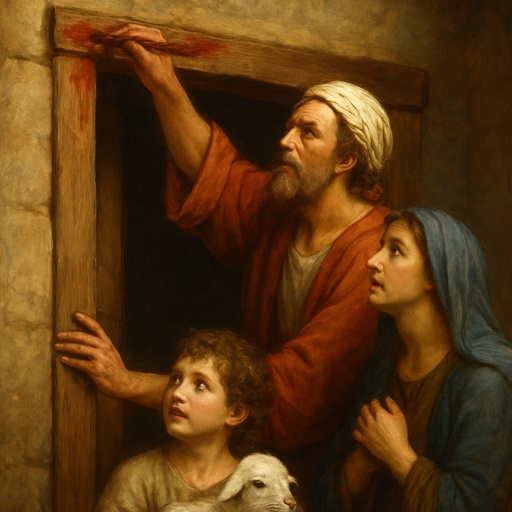
exodus 12:22 painting door lintel with blood

The Plague on the Firstborn - Exodus 11, 12:1-30

The Plague on the Firstborn - Exodus 11, 12:1-30

Exodus 1:12 - "But the more they afflicted them, the more they multiplied and grew. And they were grieved because of the children of Israel."

Exodus 12:12

Exodus 3:12

Exodus 3:12

Exodus 3:12

Exodus 3:12

Exodus 3:12
![Exodus 6:12 KJVAAE
[12] And Moses spake before the Lord, saying, Behold, the children of Israel have not hearkened unto me; how then shall Pharaoh hear me,](https://media.bible.art/ba659b6c-b89d-4b46-974b-8bddd98fe898-thumbnail.jpg)
Exodus 6:12 KJVAAE [12] And Moses spake before the Lord, saying, Behold, the children of Israel have not hearkened unto me; how then shall Pharaoh hear me,

Exodus 10:12

Exodus 12:7

Exodus 12:13

Exodus 10:12

Exodus 10:12

Exodus 3:12

Exodus 3:12

Exodus 12:7
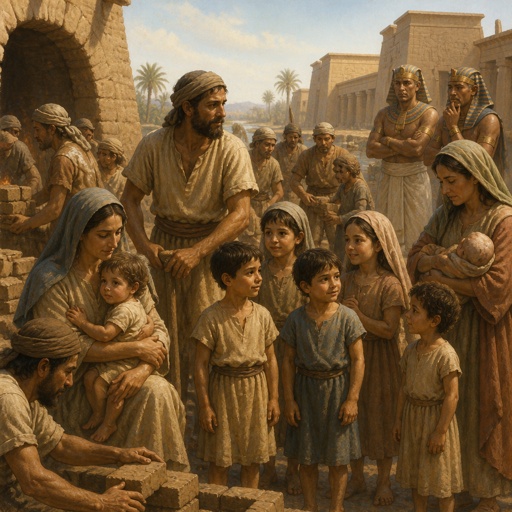
"But the more they afflicted them, the more they multiplied and grew. And they were grieved because of the children of Israel." - Exodus 1:12

Exodus 39:12 - "And the third row, a ligure, an agate, and an amethyst."

Exodus 31:12 - "¶ And the LORD spake unto Moses, saying,"

Exodus 12:47 - "All the congregation of Israel shall keep it."

Exodus 12:45 - "A foreigner and an hired servant shall not eat thereof."

Exodus 35:12 - "The ark, and the staves thereof, with the mercy seat, and the vail of the covering,"

The Plague of Boils - Exodus 9:8-12