The Blood on the Doorposts: A Sign of Deliverance
“And they shall take of the blood, and strike it on the two side posts and on the upper door post of the houses, wherein they shall eat it.” — Exodus 12:7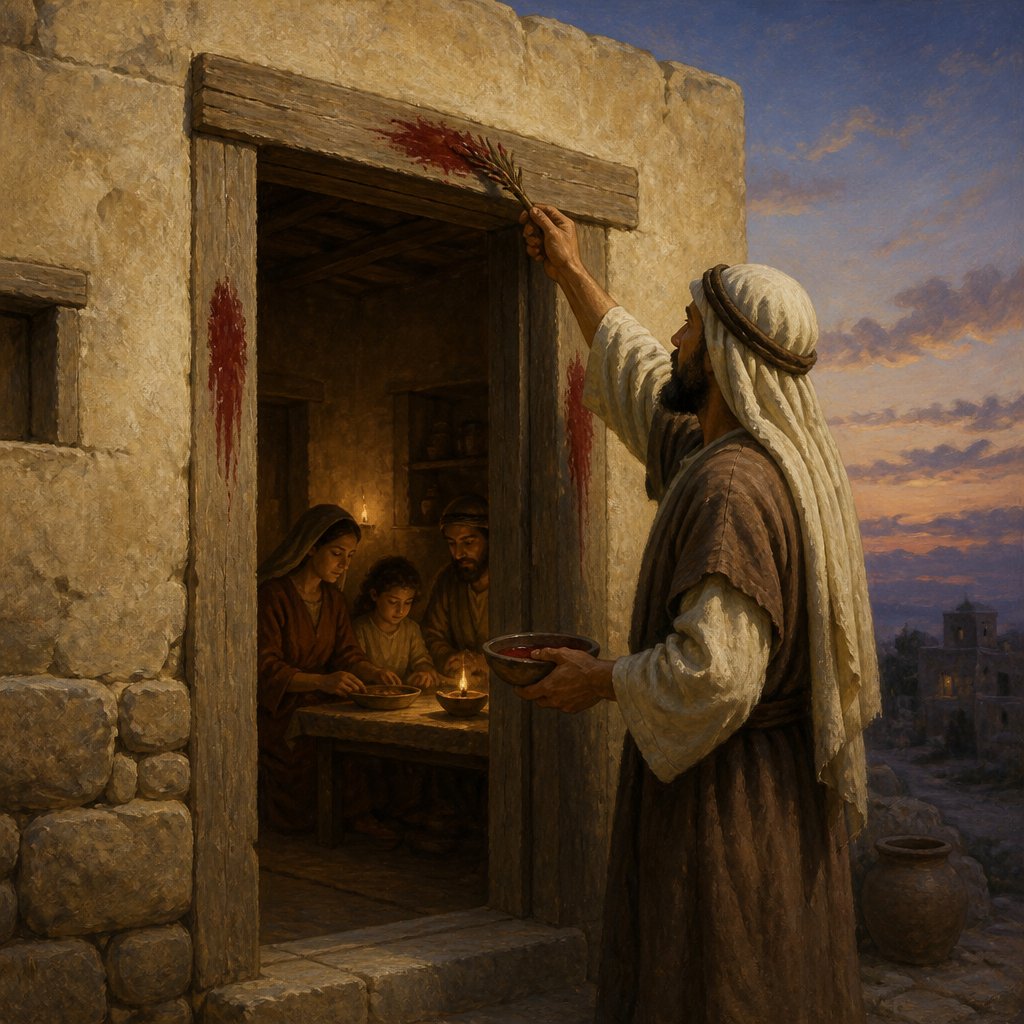
As we delve into Exodus 12:7, we encounter a pivotal moment in the narrative of God's deliverance of Israel from Egypt. "And they shall take of the blood, and strike it on the two side posts and on the upper door post of the houses, wherein they shall eat it." This verse, filled with profound meaning, speaks not only to the past but also to the timeless truth of salvation and protection that extends into our lives today.
In this passage, God, through Moses, commands the Israelites to take the blood of a sacrificed lamb and apply it to their doorposts. This act is not merely a ritual; it is a powerful symbol of faith and obedience. Each Israelite faced a critical moment where they had to trust God's promise amidst a dark and terrifying judgment—the death of the firstborn in every Egyptian household. The blood on the doorposts served as a signal to the angel of death, granting protection to those who obeyed God's instruction.
The act of striking the blood on the doorposts illustrates the importance of visible faith. It is not enough for the Israelites to believe in God's promise; they must show their faith through their actions. By physically applying the blood, they were declaring their allegiance to God and their trust in His salvation. This becomes a profound lesson for us; our faith ought to be demonstrated through our actions and choices, echoing the sentiment of James 2:17, "Even so faith, if it hath not works, is dead, being alone."
Spiritually, the lamb's blood is a prefiguration of Jesus Christ, our ultimate Passover Lamb, whose sacrifice enables our redemption. In John 1:29, we see John the Baptist recognize Jesus as “the Lamb of God, which taketh away the sin of the world.” Just as the Israelites were saved from death through the application of lamb's blood, we are saved from eternal separation from God by the blood of Christ, shed on Calvary. This connection between the Exodus narrative and the New Testament deepens our understanding of God’s unfolding plan of salvation.
Furthermore, the blood on the doorposts creates a boundary—a physical manifestation of God’s protection. In a world rife with chaos and spiritual warfare, we are reassured that God offers us protection. When we place our faith in the blood of Christ, we establish a boundary around our lives that the enemy cannot breach. Ephesians 6:11 instructs us to "put on the whole armor of God, that ye may be able to stand against the wiles of the devil." It reminds us that we are not defenseless. Through Christ’s sacrifice, we have the means to resist spiritual attacks and withstand the trials of life.
This act of marking the doorposts also signifies belonging. The Israelites, by obeying God’s command and marking their homes, identified themselves as His people, set apart for His purposes. Similarly, as believers in Christ, we bear a mark of ownership; we are sealed with the Holy Spirit, as stated in Ephesians 1:13-14. Our identity as children of God should manifest in how we live, interact, and face the world around us.
In conclusion, Exodus 12:7 encapsulates a powerful message of obedience, protection, and redemption through the blood. As we apply this truth in our lives, we are reminded to live in light of our salvation, demonstrating our faith through our actions, resting in God’s promise of protection, and celebrating our identity in Christ. This Passover moment continues to reverberate through time, calling us to remember the cost of our freedom and the love that has saved us. May we take this to heart as we walk steadfastly in faith, ever grateful for the blood that saves.
Get our apps


Artwork for Exodus 12:7

Exodus 12:7

Exodus 12:7

Exodus 12:7 - "And they shall take of the blood, and strike it on the two side posts and on the upper door post of the houses, wherein they shall eat it."
"And they shall take of the blood, and strike it on the two side posts and on the upper door post of the houses, wherein they shall eat it." - Exodus 12:7

Exodus 7:12 - "For they cast down every man his rod, and they became serpents: but Aaron's rod swallowed up their rods."

Exodus 12:12
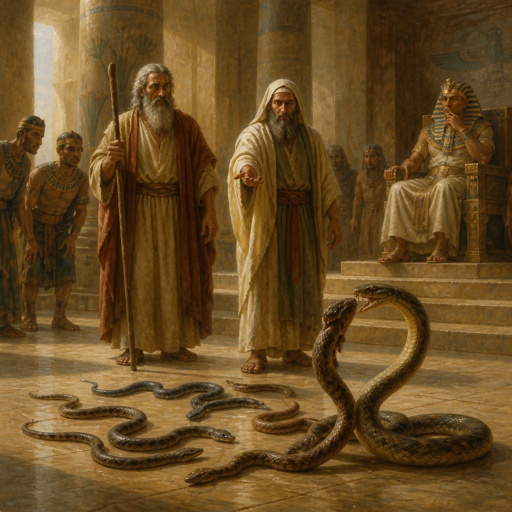
"For they cast down every man his rod, and they became serpents: but Aaron's rod swallowed up their rods." - Exodus 7:12

Exodus 3:12

Exodus 3:12

Exodus 3:12

Exodus 3:12

Exodus 3:12

Exodus 12:33

Exodus 10:12
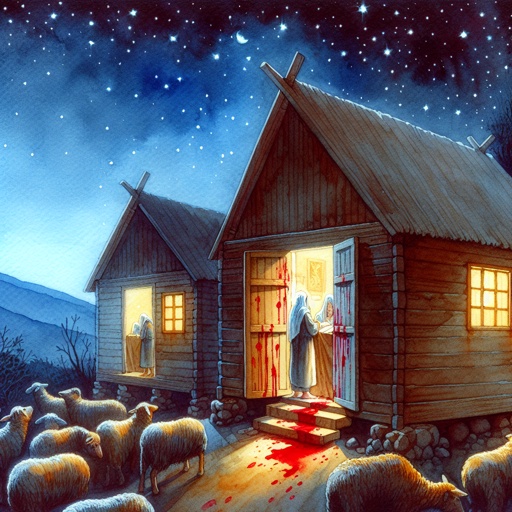
Exodus 12:13

Exodus 10:12

Exodus 10:12

Exodus 3:12

Exodus 3:12

Exodus 7:10

Exodus 7:10

Exodus 12:1-19

Exodus 7:14-24

Exodus 39:12 - "And the third row, a ligure, an agate, and an amethyst."

Exodus 31:12 - "¶ And the LORD spake unto Moses, saying,"

Exodus 12:47 - "All the congregation of Israel shall keep it."

Exodus 12:45 - "A foreigner and an hired servant shall not eat thereof."

Exodus 7:7 - "And Moses was fourscore years old, and Aaron fourscore and three years old, when they spake unto Pharaoh."

Exodus 35:12 - "The ark, and the staves thereof, with the mercy seat, and the vail of the covering,"

Exodus 25:7 - "Onyx stones, and stones to be set in the ephod, and in the breastplate."