The Divine Preparation: Understanding the Sacrifice of the Passover Lamb
"Eat not of it raw, nor sodden at all with water, but roast with fire; his head with his legs, and with the purtenance thereof." - Exodus 12:9
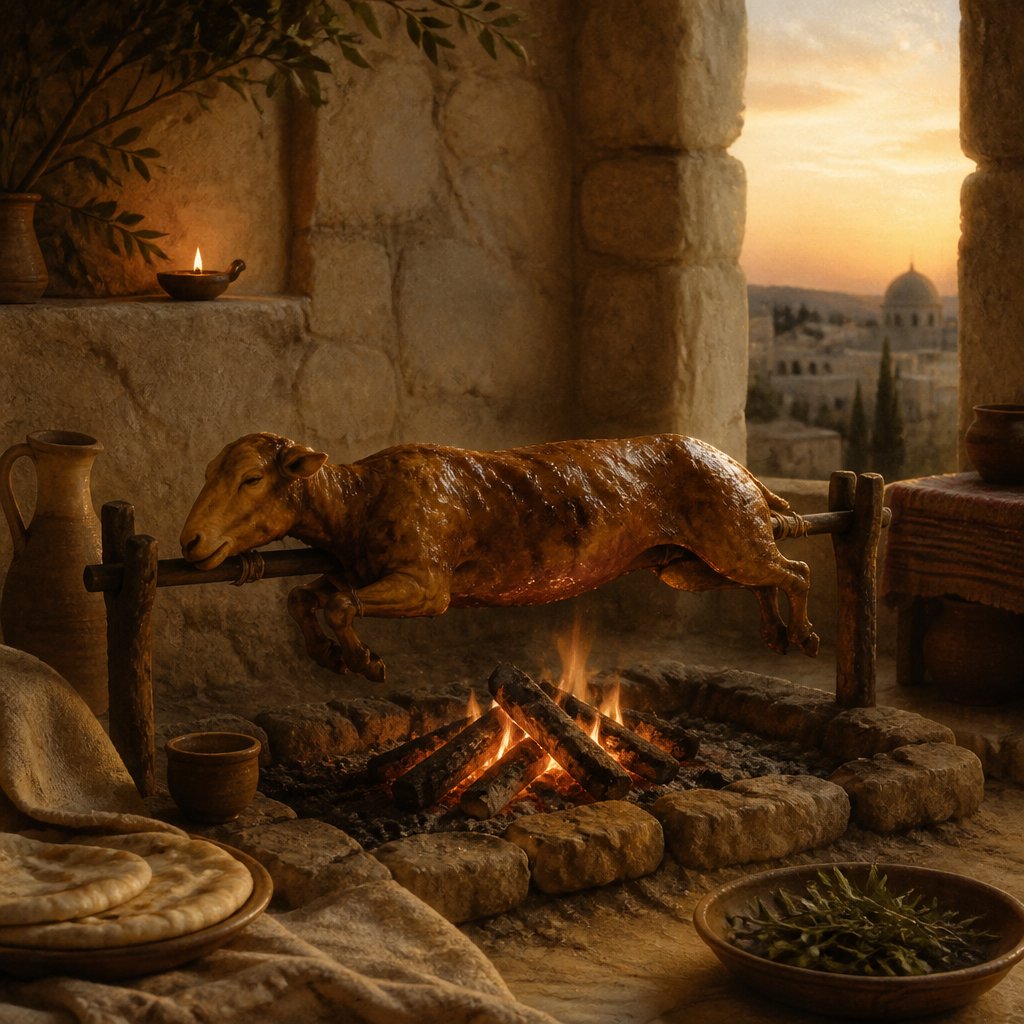
In Exodus 12:9, the Lord provides strict instructions concerning the preparation of the Passover lamb: "Eat not of it raw, nor sodden at all with water, but roast with fire; his head with his legs, and with the purtenance thereof." This verse, while seemingly straightforward, opens up a deep well of meaning concerning God’s holiness, the significance of sacrifice, and the centrality of preparation in our relationship with Him.
The context of this instruction comes at a pivotal moment in Israel's history; it marks their final night in Egypt before liberation from slavery. The Israelites are instructed to select a spotless lamb, sacrifice it, and prepare it in a manner ordained by God. The command not to eat it raw points to the importance of proper preparation. In the natural world, raw meat is unfit for consumption; it carries the potential for disease and contamination. Spiritually, God’s directive emphasizes that to engage with His covenant and His offerings requires us to approach in a manner that is reverent and proper.
This instruction speaks to the nature of sacrifice in that it must go through a process to be acceptable. Raw meat, unrefined and natural, symbolizes the unprepared condition of our heart and our lives in sin. We cannot approach God with the rawness of our brokenness; instead, we need the purification of fire. The fire is a necessary element of the roasting process, just as the trials and tribulations we endure in life serve to purify us, refining our character and faith.
When we consider "roasting with fire," we are reminded of divine judgment and the refining process that God often takes us through. In Isaiah 48:10, God says, "Behold, I have refined thee, but not with silver; I have chosen thee in the furnace of affliction." Just as the lamb was not simply cooked but roasted, undergoing the intense heat needed to transform it, we too undergo challenges that shape us into vessels fit for God’s purposes.
The specified parts of the lamb — its head, legs, and purtenance — necessitate thoroughness in our service. In the context of the lamb as the sacrifice, each part has its significance. The head and legs represent the totality of the sacrifice; they symbolize every aspect of our lives laid before God in worship. When we dedicate our lives to Him, we must hold nothing back. Our thoughts, represented by the head, and our actions, indicated by the legs, must be wholly surrendered to God's will. The purtenance denotes the innermost parts, suggesting the deep, often hidden areas of our lives and hearts that we need to present before God.
Moreover, the command to roast highlights God’s desire for a thorough and complete communion between Him and His people. It is not enough to merely attend religious services or rituals; He desires our hearts to be engaged with the process of seeking Him. If we approach worship and service haphazardly, without the careful dedication He calls for, we miss out on the richness of experiencing His presence.
Finally, the Passover meal itself points to the ultimate sacrifice of Christ. Jesus, as our Passover Lamb, fulfills the command embodied in Exodus 12. He was sacrificed — not raw, not without purpose, but fully prepared as the complete and perfect offering for our sins. This reveals the depth of God's love and the lengths He would go for our redemption. Just as the Israelites marked their homes with the blood of the lamb, we must accept Christ's sacrifice for us, enabling us to be made whole and free.
In conclusion, Exodus 12:9 is not just an instruction for the Israelites; it reminds us that every encounter with God must come with preparation. We should let go of our unrefined rawness and allow the Holy Spirit to guide us through the fire of preparation, so that we might be fully committed to reflecting Christ in our lives. May our approach to God be with reverence, knowing the sacrifice required and the love with which He embraces us.
Want to reflect more on Exodus 12:9?
Continue your spiritual journey with Bible Chat — an AI-powered tool for exploring God's Word through conversation. Ask questions, discover connections, and deepen your understanding.
Get Our Apps


Exodus 12:9 Artwork
"Eat not of it raw, nor sodden at all with water, but roast with fire; his head with his legs, and with the purtenance thereof." - Exodus 12:9

The Plague of Boils - Exodus 9:8-12

The Plague of Boils - Exodus 9:8-12

The Plague of Boils - Exodus 9:8-12

The Plague of Boils - Exodus 9:8-12

The Plague of Boils - Exodus 9:8-12.

The Plague of Boils - Exodus 9:8-12

The Plague of Boils - Exodus 9:8-12

The Plague of Boils - Exodus 9:8-12
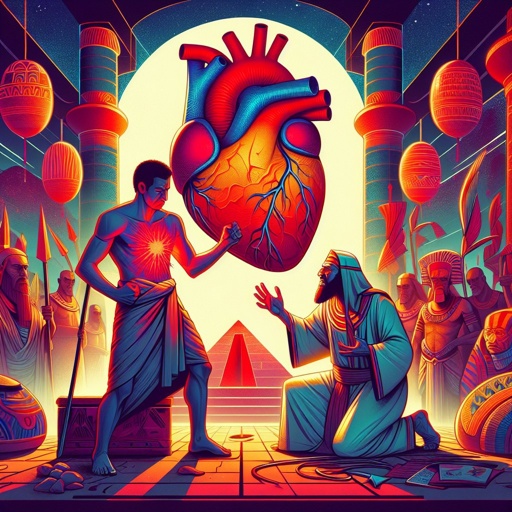
Exodus 9:12 - "And the LORD hardened the heart of Pharaoh, and he hearkened not unto them; as the LORD had spoken unto Moses."

Exodus 12:12
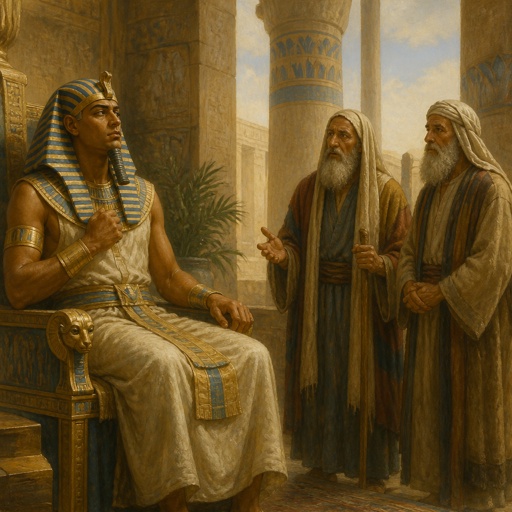
"And the LORD hardened the heart of Pharaoh, and he hearkened not unto them; as the LORD had spoken unto Moses." - Exodus 9:12

Exodus 3:12

Exodus 3:12

Exodus 3:12

Exodus 3:12

Exodus 3:12

Exodus 12:33

Exodus 10:12

Exodus 12:7
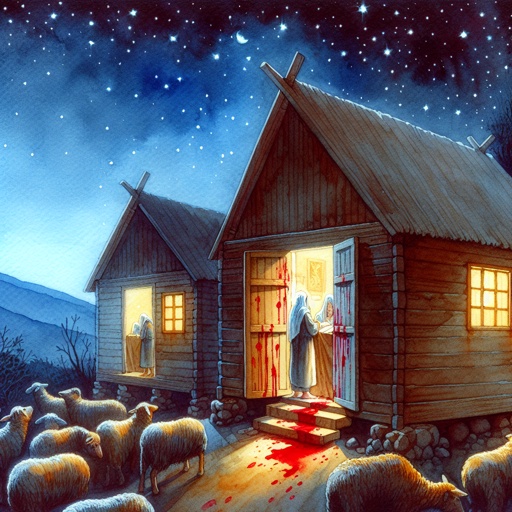
Exodus 12:13

Exodus 10:12

Exodus 10:12

Exodus 3:12

Exodus 3:12

Exodus 12:7

Exodus 40:9
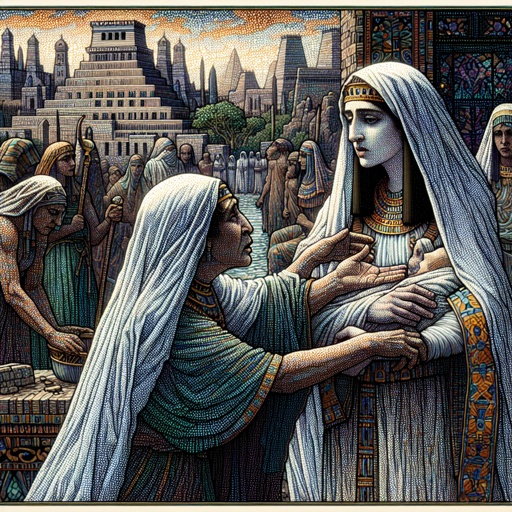
Exodus 2:9

Exodus 2:9

Exodus 12:1-19