The Feast of Unleavened Bread: A Lesson in Purity and Celebration
"Seven days thou shalt eat unleavened bread, and in the seventh day shall be a feast to the LORD." - Exodus 13:6
**Introduction**
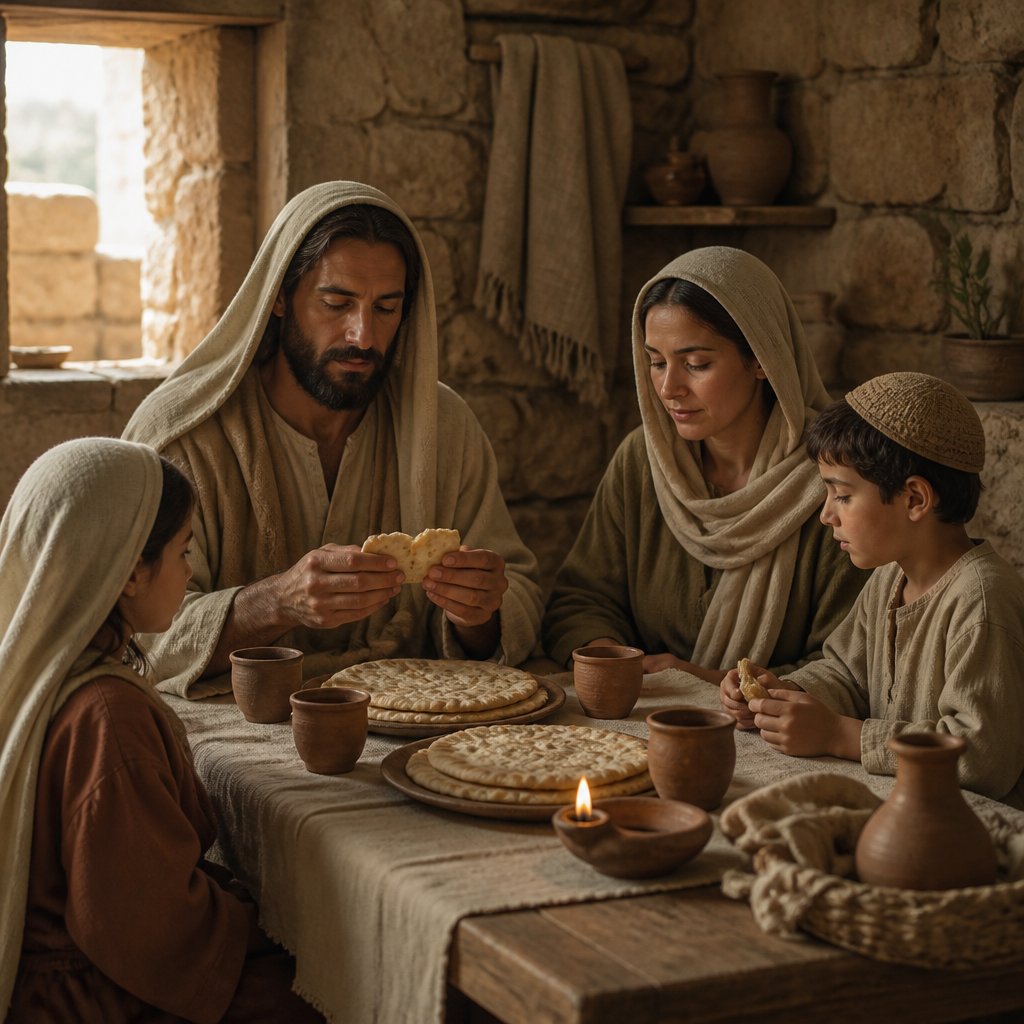
As we reflect upon the words of Exodus 13:6, we are invited into a deeper understanding of God’s commands and the significance of ritual observance in the life of Israel and, indeed, in our own spiritual journey. "Seven days thou shalt eat unleavened bread, and in the seventh day shall be a feast to the LORD." (Exodus 13:6, KJV). This Divine directive is not merely about eating or celebrating – it encapsulates a profound spiritual truth about the nature of God’s deliverance and the importance of purity in worship.
**Understanding the Context**
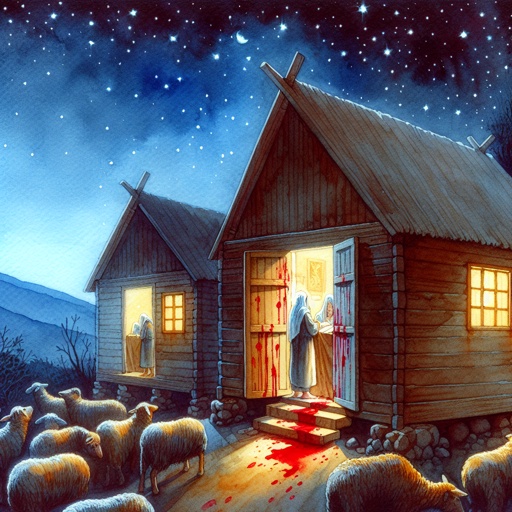
The book of Exodus narrates the liberation of the Israelites from Egyptian bondage. God’s command regarding the Feast of Unleavened Bread comes after the Passover, where God spared the firstborn of the Israelites while striking down the Egyptians. The unleavened bread symbolizes haste, purity, and a new beginning as they left the old life of slavery behind. In essence, bread, the dietary staple of the ancient world, was transformed into a symbol of grace and new life.
Leaven, in Biblical terms, often stands for sin or corruption, as it permeates the whole dough. For seven days without leaven, the Israelites are taught to remember the urgency of their salvation and to seek purity in their lives, both individually and communally. The number seven in Scripture often represents completeness – a divine fullness. Thus, the act of consuming unleavened bread for seven days suggests a complete immersion into a new life free from the metaphorical leaven of sin.
**The Call to Purity**
During this week of unleavened bread, the Israelites were called to examine their hearts and homes, searching for any remnants of leaven. This physical act of purging their homes and their diets aligned with a spiritual call to examine their lives for sin. As Christians today, this ritual invites us to engage in self-reflection and repentance. Jesus, often referred to as our Passover Lamb (1 Corinthians 5:7), has given us freedom from the bondage of sin, yet we are continually challenged to pursue holiness. The Apostle Paul admonishes us in 1 Corinthians 5:8: “Therefore let us keep the feast, not with old leaven, neither with the leaven of malice and wickedness; but with the unleavened bread of sincerity and truth.”
**A Time of Celebration**
As Exodus 13:6 transitions into a feast on the seventh day, we recognize a vital aspect of our faith: worship and celebration. After a period of purging and reflection, believers are called to celebrate the goodness of God's deliverance. The feast signifies joy and gratitude – acknowledging that our meticulous observance of God’s commands leads to immeasurable blessings. Just as the Israelites shifted from a week of solemnity in removing leaven to a day of festivity, we too are reminded that our pursuit of righteousness should culminate in authentic joy and worship.
In modern Christian life, feasting could be about gathering with fellow believers, singing praises, or partaking of the Lord's Supper in remembrance of God’s immeasurable grace through Christ’s sacrifice. It is a time to remember that our purity stems not from our own works but from what Christ has done on the cross for us.
**Conclusion**
In conclusion, Exodus 13:6 serves as a reminder that our journey of faith includes both a call to purity and an invitation to celebration. Each day as we engage in our spiritual disciplines, let us remember to seek out the leaven in our lives and remove it. But let us also look forward to the feasts of joy that God has prepared for us. Let our hearts be reflections of sincerity and truth, and may each gathering be anchored in gratitude for the work that the Lord has accomplished in our lives. As we observe these rhythms of repentance and rejoicing, we embody the God who liberates, purifies, and invites us into intimate fellowship.
Want to reflect more on Exodus 13:6?
Continue your spiritual journey with Bible Chat — an AI-powered tool for exploring God's Word through conversation. Ask questions, discover connections, and deepen your understanding.
Get Our Apps


Exodus 13:6 Artwork

Exodus 13:6 - "Seven days thou shalt eat unleavened bread, and in the seventh day shall be a feast to the LORD."
"Seven days thou shalt eat unleavened bread, and in the seventh day shall be a feast to the LORD." - Exodus 13:6

Exodus 6:13 - "And the LORD spake unto Moses and unto Aaron, and gave them a charge unto the children of Israel, and unto Pharaoh king of Egypt, to bring the children of Israel out of the land of Egypt."

Exodus 6:13 KJV (13) And the LORD spake unto Moses and unto Aaron, and gave them a charge unto the children of Israel, and unto Pharaoh king of Egypt, to bring the children of Israel out of the land of Egypt.

Exodus 6:13 KJV (13) And the LORD spake unto Moses and unto Aaron, and gave them a charge unto the children of Israel, and unto Pharaoh king of Egypt, to bring the children of Israel out of the land of Egypt.
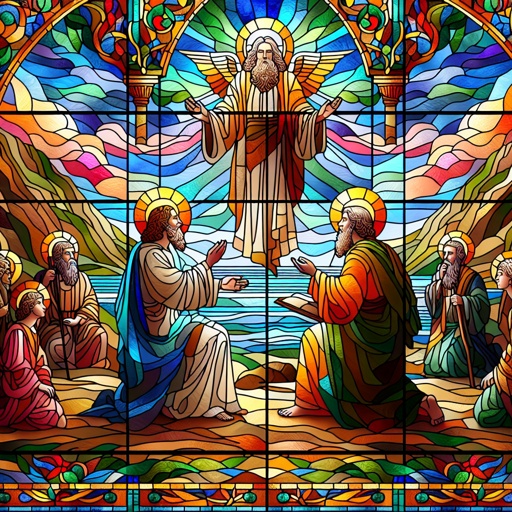
Exodus 6:13 KJV (13) And the LORD spake unto Moses and unto Aaron, and gave them a charge unto the children of Israel, and unto Pharaoh king of Egypt, to bring the children of Israel out of the land of Egypt.

Exodus 14:13

Exodus 14:13

Exodus 14:13

Exodus 14:13

Exodus 14:13

Exodus 14:13

Exodus 14:13
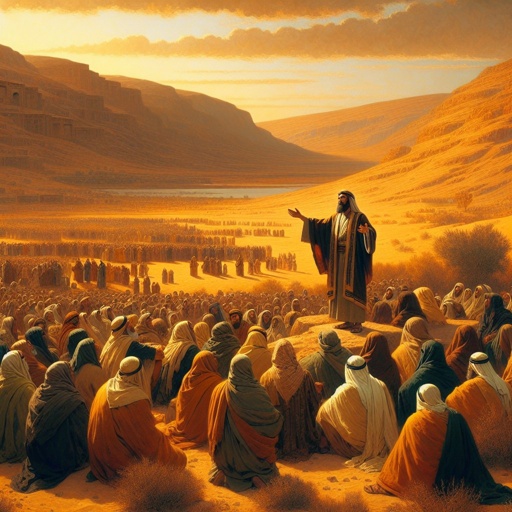
Exodus 14:13

Exodus 14:13

Exodus 14:13
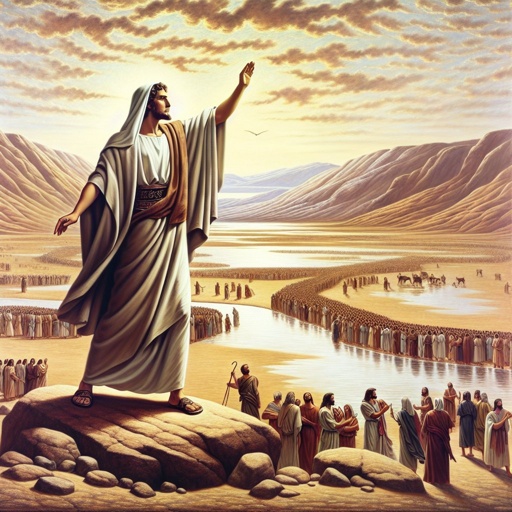
Exodus 14:13
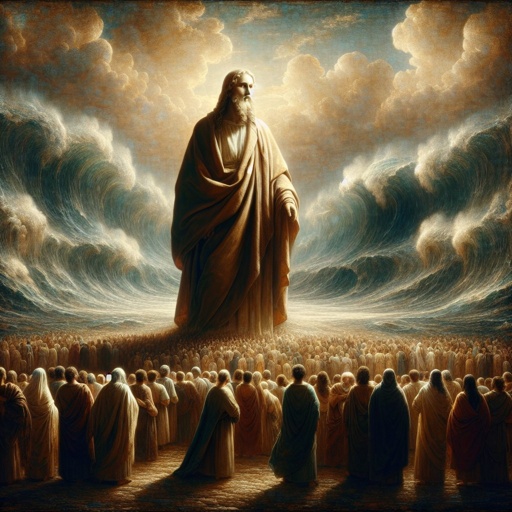
Exodus 14:13
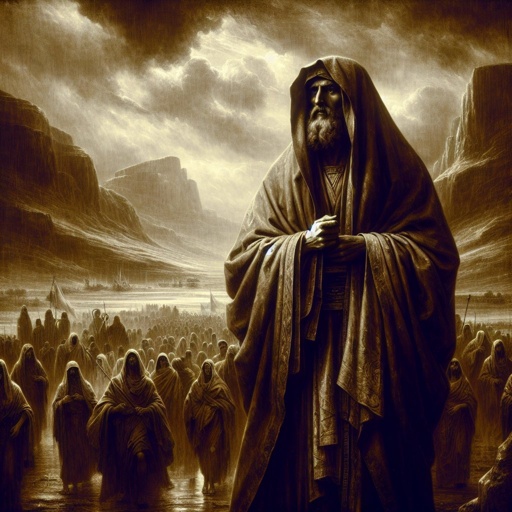
Exodus 14:13
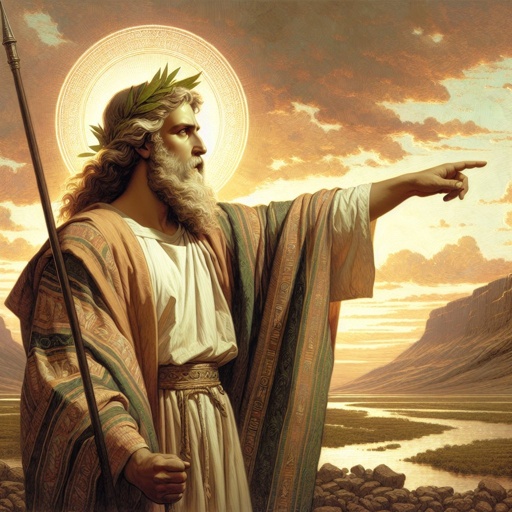
Exodus 14:13

Exodus 14:13

Exodus 14:13

Exodus 14:13

Exodus 14:13

Exodus 14:13
Exodus 12:13

Exodus 14:13
Exodus 14:13
Exodus 14:13

Exodus 14:13