The Promise Fulfilled: A Journey into the Divine Promise
"¶ And it shall be when the LORD shall bring thee into the land of the Canaanites, as he sware unto thee and to thy fathers, and shall give it thee," - Exodus 13:11
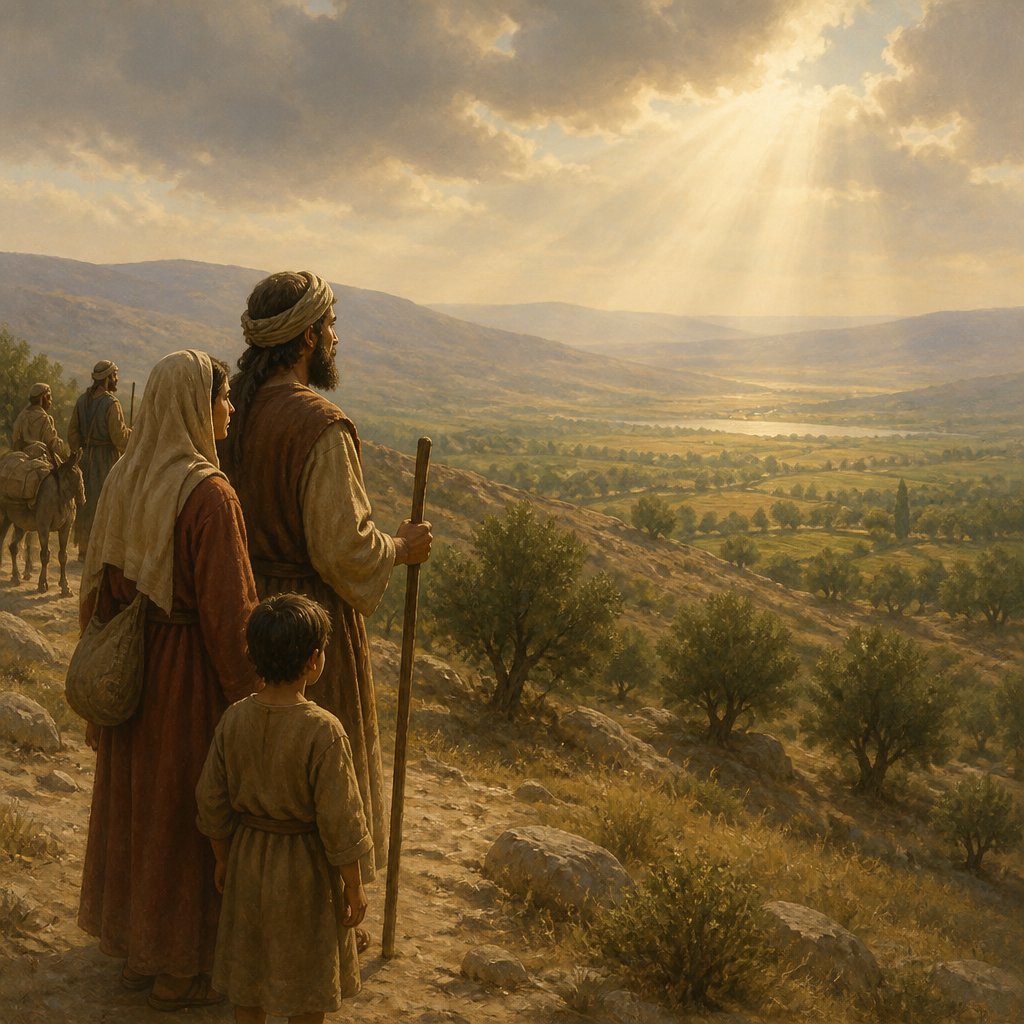
Exodus 13:11 in the King James Version invites us to reflect on the steadfastness of God’s promises: "And it shall be when the LORD shall bring thee into the land of the Canaanites, as he sware unto thee and to thy fathers, and shall give it thee." This verse encapsulates the essence of hope, trust, and the fulfillment of divine promises.
As we delve into this passage, it’s essential to understand the context in which the Israelites found themselves. They were in the wilderness, having just been liberated from centuries of slavery in Egypt. Despite the harsh realities of their present circumstances, God reassures them of a future filled with hope and abundance—a land flowing with milk and honey, the land of the Canaanites.
This phrase, "when the LORD shall bring thee into the land of the Canaanites," serves as a profound reminder that God is always at work within our lives, steering us toward promised lands—even when our journey seems uncertain or our current state feels desolate. The Israelites had to walk through the wilderness, a period of testing and transition, before they could step into the fulfillment of God’s promise.
In our lives, we often find ourselves wandering in our own wildernesses, facing trials, doubts, and periods of waiting. Yet, just as God promised to bring the Israelites into Canaan, He extends similar promises to each of us today. We must hold fast to this truth—that God is unchanging and faithful to His word. Hebrews 10:23 prompts us: "Let us hold fast the profession of our faith without wavering; (for He is faithful that promised)."
The journey to the promised land for the Israelites was not instantaneous. It was marked by detours, struggles, and lessons. In our walk as believers, we, too, will encounter challenges that may sometimes obscure our vision of what God has promised. It’s in this waiting that our faith is deepened and refined. It becomes imperative that we nurture our relationship with God through prayer, worship, and studying His word. By doing this, our hearts can remain aligned with His promises, and we can be strengthened in our ability to persevere.
Moreover, the verse reminds us of God's covenant commitment. The phrase, "as he sware unto thee and to thy fathers," illustrates that God’s promises span generations. They are rooted not only in individual journeys but in the collective history of faith. Promises made to our forebearers enhance the relationship we cultivate today. Just as God had a plan for the Israelites, He has one for our lives—and this plan contains blessings that He desires to unfold for us as well.
Reflect for a moment: What are the Canaanites in your life? What are the promised lands that seem out of reach? God is inviting us into a deeper relationship with Him that allows us to trust in His timing—understanding that our delays do not equate to denial. Instead, they are opportunities for preparation, growth, and transformation. Like the Israelites, we must cultivate a spirit of expectancy as we journey through the wilderness, believing that our time is coming when we will enter into the fulfillment of His promises.
As you meditate upon Exodus 13:11 today, take heart in knowing that your God is faithful. He brings us into our promised lands, not just as a destination but as part of the ongoing unfolding of His plan for our lives. Let this enhance your faith and inspire a fresh commitment to walk closely with Him. Let the past affirm your trust in His promises as you anticipate the goodness He has in store for you.
Want to reflect more on Exodus 13:11?
Continue your spiritual journey with Bible Chat — an AI-powered tool for exploring God's Word through conversation. Ask questions, discover connections, and deepen your understanding.
Get Our Apps


Exodus 13:11 Artwork
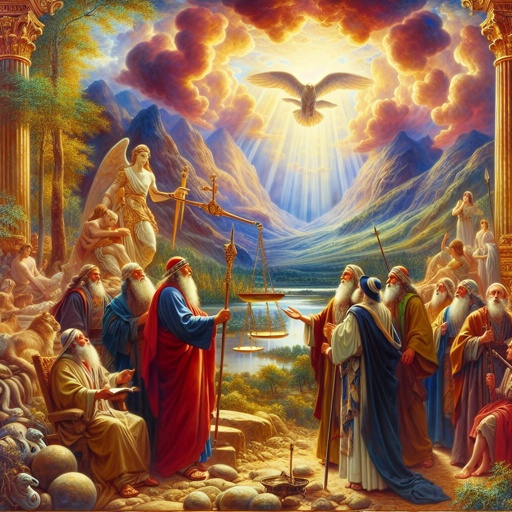
Exodus 13:11 - "¶ And it shall be when the LORD shall bring thee into the land of the Canaanites, as he sware unto thee and to thy fathers, and shall give it thee,"
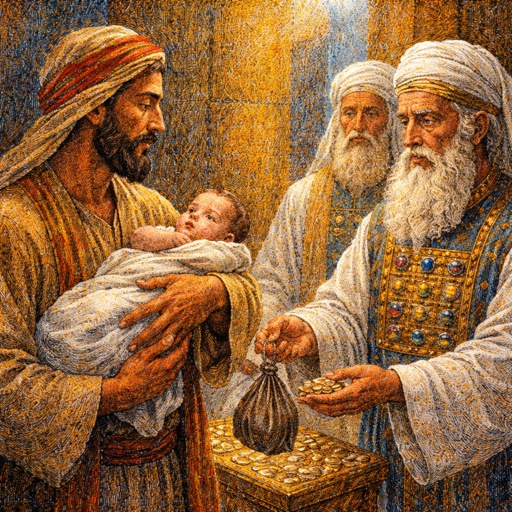
in the context of Exodus 13:11-15, draw an image of a man presenting his firstborn infant son to the priests, and giving him a sum of money in order to redeem the child.
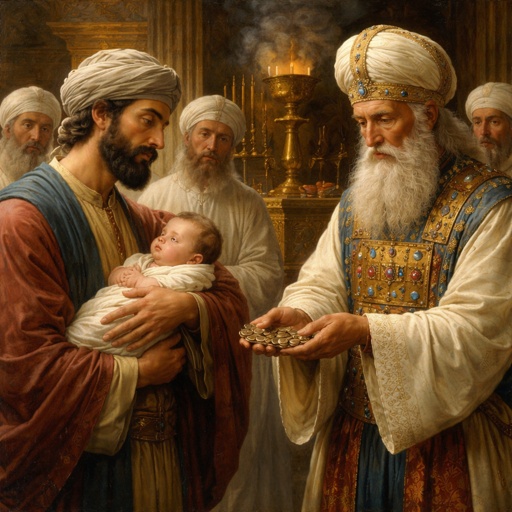
in the context of Exodus 13:11-15, draw an image of a man presenting his firstborn infant son to the priests, and giving him a sum of money in order to redeem the child.
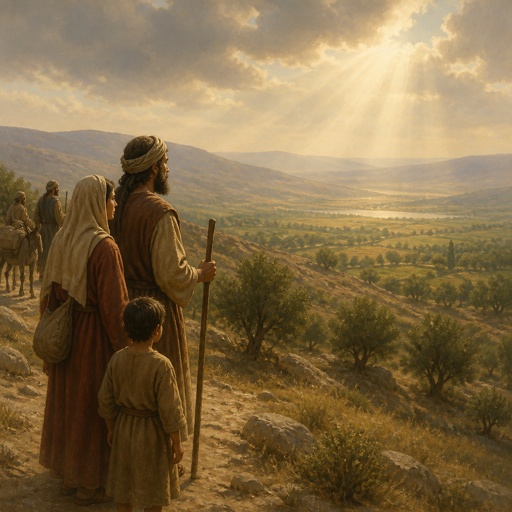
"¶ And it shall be when the LORD shall bring thee into the land of the Canaanites, as he sware unto thee and to thy fathers, and shall give it thee," - Exodus 13:11
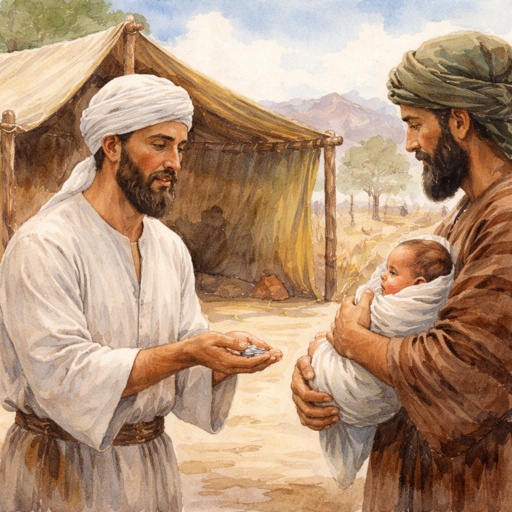
In the context of Exodus 13:11-15, draw an image of a man presenting his firstborn infant son to one of the Levitical priests, and giving him five silver coins in order to redeem the child. He gives the money to a normal priest (not the high priest) who is dressed in plain white linen clothes with a simple white turban on his head. The setting is just outside the tabernacle in the wilderness.
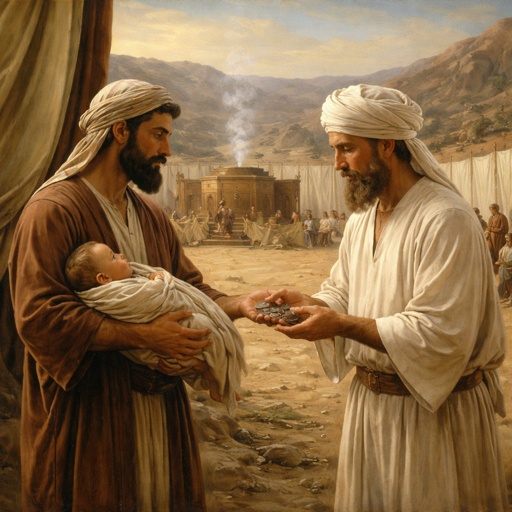
In the context of Exodus 13:11-15, draw an image of a man presenting his firstborn infant son to one of the Levitical priests, and giving him five silver coins in order to redeem the child. He gives the money to a normal priest (not the high priest) who is dressed in plain white linen clothes with a simple white turban on his head. The setting is just outside the tabernacle in the wilderness.
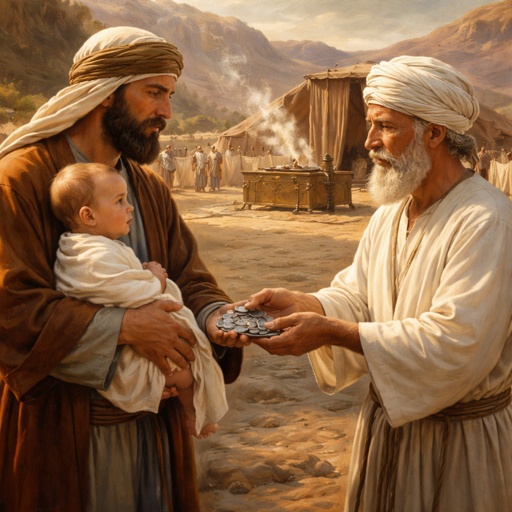
In the context of Exodus 13:11-15, draw an image of a man presenting his firstborn infant son to one of the Levitical priests, and giving him five silver coins in order to redeem the child. He gives the money to a normal priest (not the high priest) who is dressed in plain white linen clothes with a simple white turban on his head. The setting is just outside the tabernacle in the wilderness.
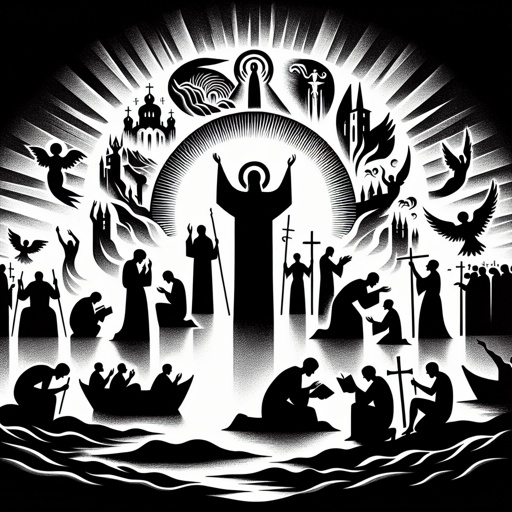
Psalm 1:1-3
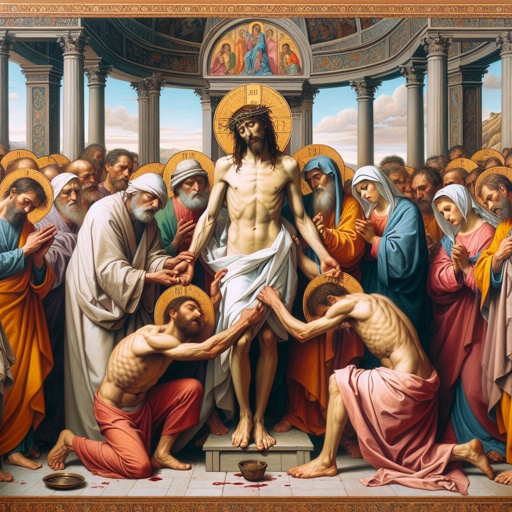
Pain 1:1-3

Exodus 14:13

Exodus 14:13

Exodus 14:13

Exodus 14:13

Exodus 14:13

Exodus 14:13

Exodus 14:13
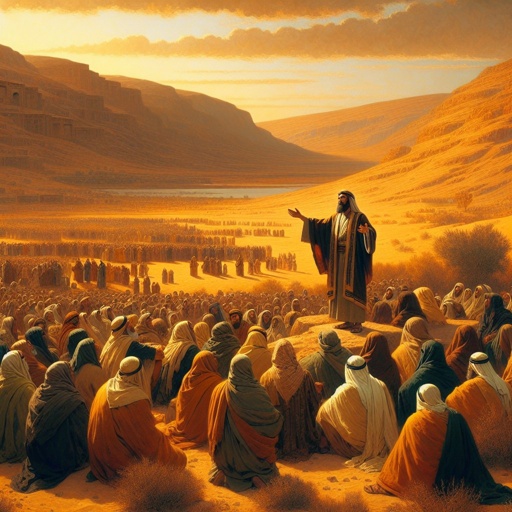
Exodus 14:13

Exodus 14:13

Exodus 14:13
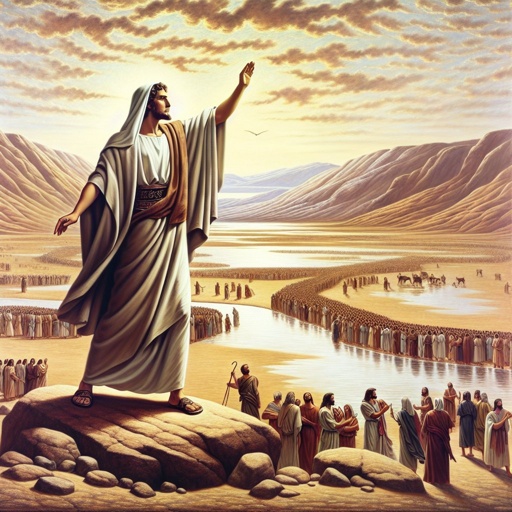
Exodus 14:13
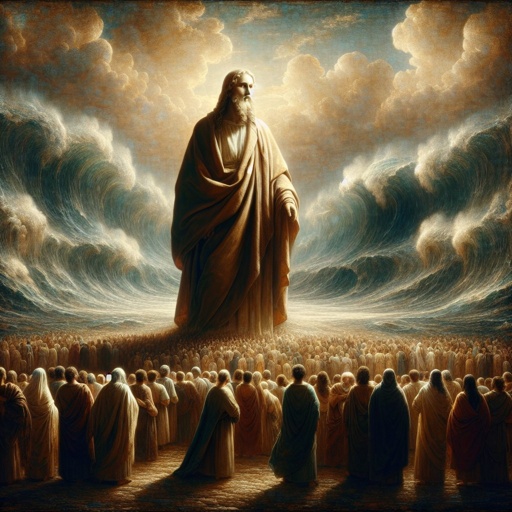
Exodus 14:13
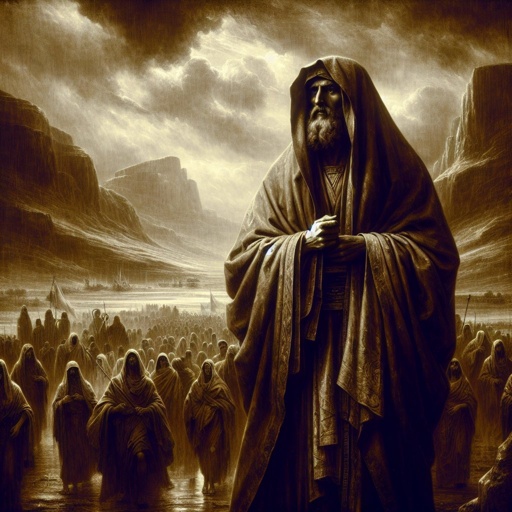
Exodus 14:13
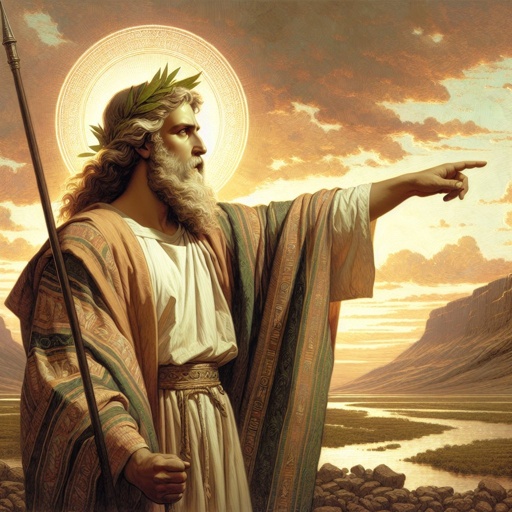
Exodus 14:13

Exodus 14:13

Exodus 14:13

Exodus 14:13

Exodus 14:13

Exodus 14:13
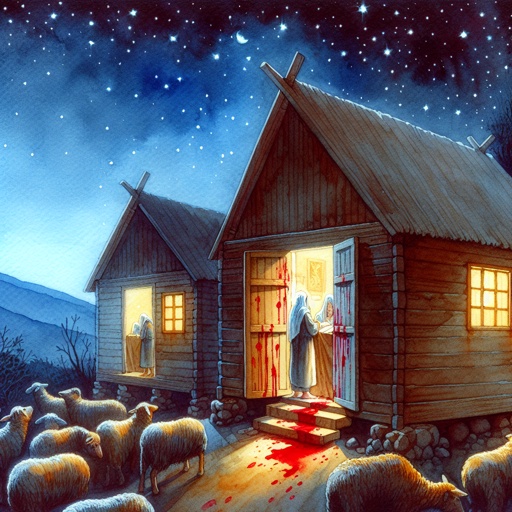
Exodus 12:13

Exodus 14:13