Positioned for Deliverance: Lessons from Exodus 14:2
“Speak unto the children of Israel, that they turn and encamp before Pi-hahiroth, between Migdol and the sea, over against Baal-zephon: before it shall ye encamp by the sea.” — Exodus 14:2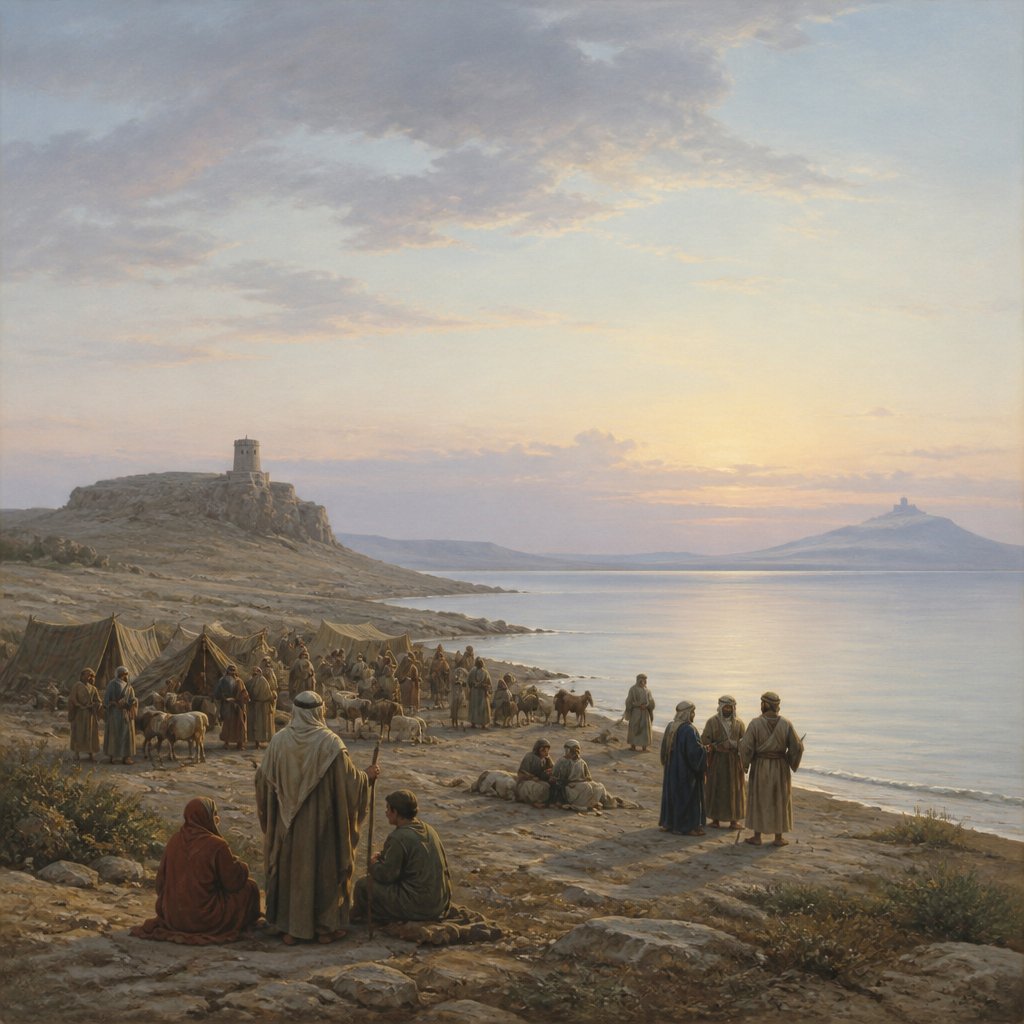
Exodus 14:2 tells us, "Speak unto the children of Israel, that they turn and encamp before Pi-hahiroth, between Migdol and the sea, over against Baal-zephon: before it shall ye encamp by the sea." This directive from God to Moses comes at a critical juncture in the journey of the Israelites—a moment filled with uncertainty, fear, and incredible anticipation.
As we delve into this powerful verse, we observe several layers of meaning that provide profound insights into our own lives today. The Israelites have just left Egypt, a land of bondage and oppression, and now stand at a precipice of faith. They are caught between the immense Red Sea before them and the formidable Egyptian army pursuing from behind. In this position of helplessness, God instructs them to encamp by the sea—a seemingly irrational command that challenges their understanding of safety and survival.
1. **God’s Providence in Our Positioning**:
When we read Exodus 14:2, we notice that God is intentionally positioning the Israelites in a vulnerable location. This teaches us that sometimes, the places we find ourselves may appear like a trap rather than a refuge. They stand between Migdol (a tower or stronghold) and the sea—a metaphor for the places we often find ourselves caught in life. But God does not lead us to places without a purpose. His sovereignty goes beyond human logic; He places us where His power can be most profoundly displayed. Just because we feel hemmed in does not mean God is absent. Instead, it often necessitates a miracle. When we find ourselves in tight spots—whether financial struggles, familial discord, or feelings of inadequacy—we can take heart, knowing that God may be orchestrating our deliverance, even if we can’t see it yet.
2. **The Call to Turn**:
God commands Moses to tell the Israelites to turn and encamp. The act of turning is significant; it represents a shift in perspective, a physical act of faith toward what God has ahead of them. The word 'turn' implies a departure from their previous orientation—the mindset of bondage that characterized their life in Egypt. In our spiritual walk, we are often called to turn from distractions and influences that would hold us back from God’s promises. Sometimes, turning involves repentance, realignment of our priorities, or trusting Him in the face of an uncertain future.
3. **Faith Over Fear**:
The directive to camp by the sea would trigger fear for many. What if the waters crash down? What if the army attacks? The Israelites were likely overwhelmed; however, God often calls us to operate from a place of faith, not fear. Faith is choosing to believe in God's goodness and His promise of deliverance despite overwhelming circumstances. This resonates deeply today when we are faced with fears about our futures—Be it health concerns, job uncertainties, or the state of the world. God beckons us toward faith, showing us that perilous situations can be the soil for miraculous outcomes.
4. **Encampment Before the Miracle**:
Lastly, we consider the act of encamping. By directing them to set up camp, God emphasizes rest and preparation. In seasons of waiting or uncertainty, it is essential to pause, pray, and prepare our hearts for what God might do next. Often, before a breakthrough comes from on high, a season of waiting ensues where our hope is steadfastly held onto. God cares for our hearts during these times, and He asks us to trust Him, even as we look at the waves crashing before us.
As we ponder Exodus 14:2, let it encourage us to embrace His positioning, to turn toward Him, to choose faith over fear, and to prepare our hearts in the place of waiting. These lessons speak volumes about the character of God: He is faithful, ever-present, and orchestrating our deliverance, often in ways we never anticipated. May we keep our eyes on the Lord and trust in His divine plan over our lives.
Get our apps


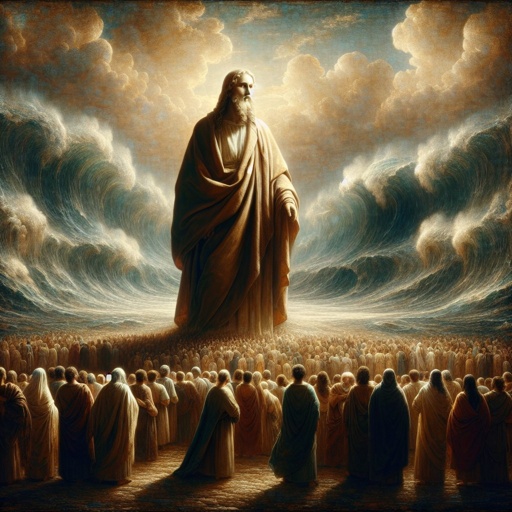
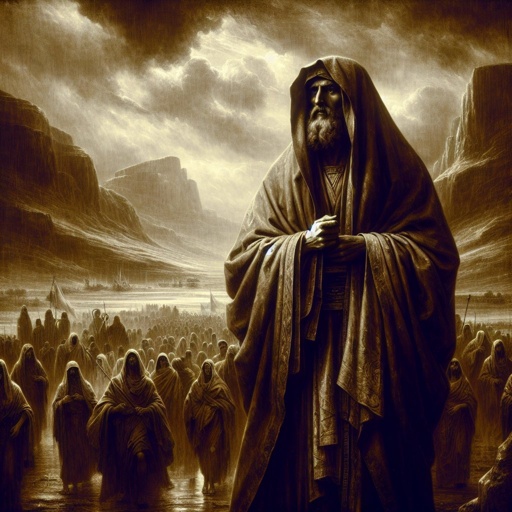
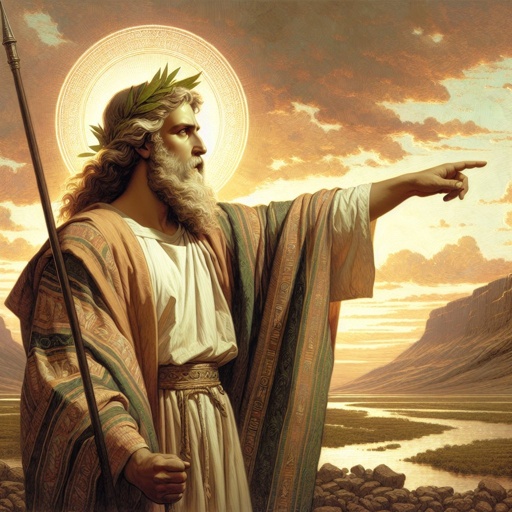
Artwork for Exodus 14:2

Exodus 14:2 - "Speak unto the children of Israel, that they turn and encamp before Pi-hahiroth, between Migdol and the sea, over against Baal-zephon: before it shall ye encamp by the sea."
"Speak unto the children of Israel, that they turn and encamp before Pi-hahiroth, between Migdol and the sea, over against Baal-zephon: before it shall ye encamp by the sea." - Exodus 14:2

Exodus 14

Exodus 2:14 - "And he said, Who made thee a prince and a judge over us? intendest thou to kill me, as thou killedst the Egyptian? And Moses feared, and said, Surely this thing is known."

Exodus 14:13

Exodus 14:13

Exodus 14: 21

Exodus 14:13

Exodus 14:13

Exodus 14:13

Exodus 14:13

Exodus 14:13
Exodus 14:13

Exodus 14:13

Exodus 14:13
Exodus 14:13
Exodus 14:13
Exodus 14:13
Exodus 14:13

Exodus 3:14

Exodus 3:14

Exodus 14:13

Exodus 14:13

Exodus 3:14

Exodus 14:13

exodus 3:14

Exodus 14:13

Exodus 14:13

Exodus 20:14

Exodus 14: 21