Rooted in the Sanctuary: Understanding God’s Plan for Us
“Thou shalt bring them in, and plant them in the mountain of thine inheritance, in the place, O LORD, which thou hast made for thee to dwell in, in the Sanctuary, O Lord, which thy hands have established.” — Exodus 15:17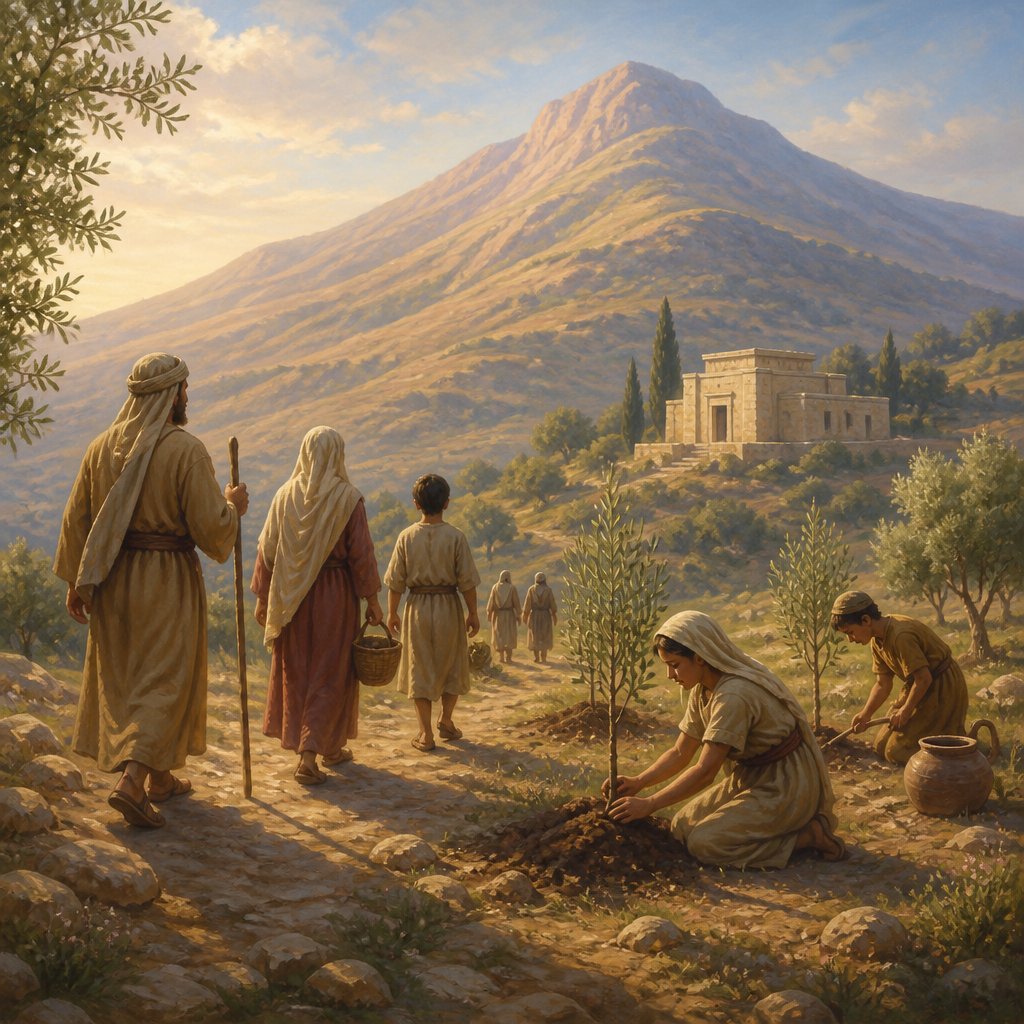
As we delve into Exodus 15:17, we encounter a profound declaration of God’s intent and care for His people: "Thou shalt bring them in, and plant them in the mountain of thine inheritance, in the place, O LORD, which thou hast made for thee to dwell in, in the Sanctuary, O Lord, which thy hands have established" (KJV). This passage, nestled within the context of Moses’ triumphant song following the Israelites' deliverance from Egypt, is a touching reminder of God’s promises and His everlasting commitment to root His people within His presence.
To grasp the weight of this verse, let's first reflect on its contextual background. After centuries of enslavement, the Israelites found themselves liberated by God's mighty hand—a testament to the faithful covenant He made with Abraham, Isaac, and Jacob. As they sang praises, they looked ahead to the Promised Land, a place where God would not only lead them but also establish their existence amidst His presence. The imagery of being "brought in" to dwell in a chosen place evokes a sense of belonging and security, highlighting God’s desire to be intimately involved in the lives of His people.
As the verse suggests, God is seen as both the gardener and the dwelling place. The phrase "plant them in the mountain of thine inheritance" invites us to consider what it means to be rooted in such rich soil. In biblical terms, mountains often symbolize closeness to God, stability, and permanence. It is where divine encounters happen (consider Mount Sinai). By planting His people in this mountain, God signifies that they would not only dwell there physically but would also be anchored spiritually.
When we think of our lives today, often we find ourselves craving that same sense of belonging and stability. The world can be tumultuous and chaotic. Yet, in Him, we find a sanctuary—a safe place. In Psalm 91:1, it states, "He that dwelleth in the secret place of the most High shall abide under the shadow of the Almighty." There exists a profound correlation between dwelling in God’s sanctuary and experiencing His protection and provision. Just as the Israelites were drawn into the sanctuary God prepared for them, we are invited into a spiritual sanctuary through faith in Christ, where we find rest for our souls (Matthew 11:28-30).
Additionally, the idea of God actively "bringing us in" emphasizes His initiative in our walk of faith. It reinforces the belief that we do not have to navigate our journey alone; rather, God is the one who draws us into His presence. This is echoed in John 6:44: “No man can come to me, except the Father which hath sent me draw him.” God’s keenness to invite us into His mountain of inheritance is an astonishing comfort. It means within our struggles and doubts, He continually says, "Come. Let me show you where you belong."
We also need to recognize that God, in His sovereignty, establishes this sanctuary with His own hands. The reference to God’s hands being involved in creating the place where He will dwell leads us to a deeper understanding of the reverence due to such sacredness. In showcasing His handiwork, God invites us to marvel at His creativity and provision. This is much like an artist who meticulously prepares a masterpiece—each stroke intentional and significant. Our lives are designed with great purpose, and we bear witness to God’s faithfulness, evidence of His commitment to planting us where we can truly thrive.
Consequently, let us take time in prayer and meditation to reflect upon where we find our roots. Are we leaning into God’s sanctuary, allowing His presence to envelop us? Are we open to being "brought in" to experience the fullness of what He promised? Let us allow our hearts to be touched by the truth that we are planted in the very place that God has established, cultivated for our growth, and designed for His glory. May we find peace in knowing that our lives are not randomly scattered but purposefully placed in the mountain of His inheritance—rooted in the sanctuary of love, hope, and security.
Get our apps


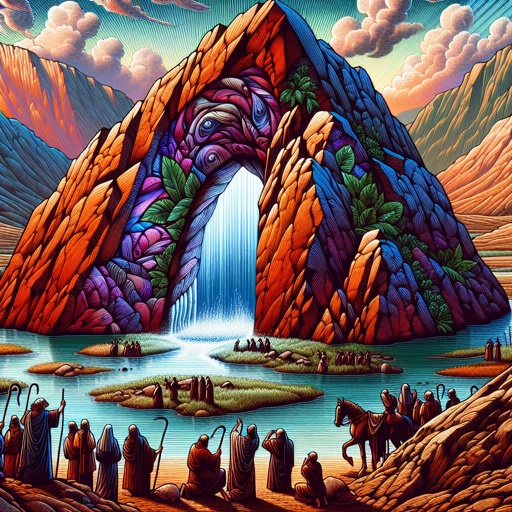
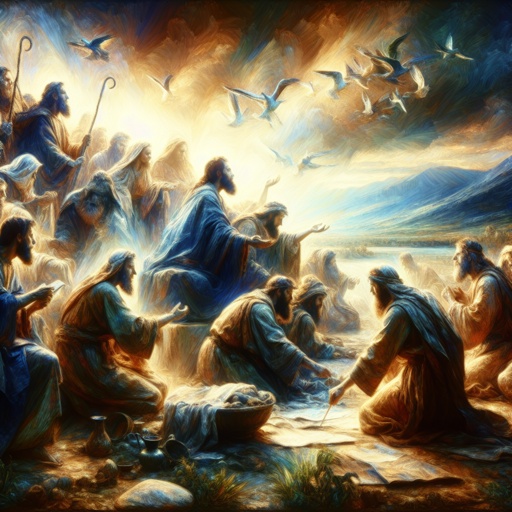
Artwork for Exodus 15:17

Exodus 15:17 - "Thou shalt bring them in, and plant them in the mountain of thine inheritance, in the place, O LORD, which thou hast made for thee to dwell in, in the Sanctuary, O Lord, which thy hands have established."
"Thou shalt bring them in, and plant them in the mountain of thine inheritance, in the place, O LORD, which thou hast made for thee to dwell in, in the Sanctuary, O Lord, which thy hands have established." - Exodus 15:17

Exodus 17:15 - "And Moses built an altar, and called the name of it Jehovah-nissi:"
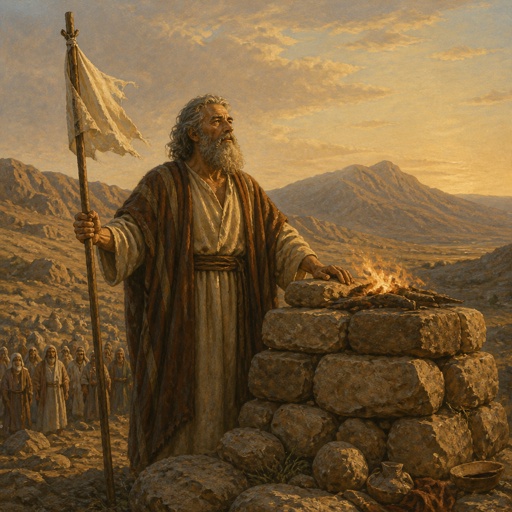
"And Moses built an altar, and called the name of it Jehovah-nissi:" - Exodus 17:15

exodus 15
Exodus 17:10

Exodus 17:11

Exodus 17:6

Exodus 17:3

Exodus 17:3
Exodus 17:6

Exodus 17:6

Exodus 24:17

Exodus 17:6

Exodus 15:22

Exodus 15:23

Exodus 15:5
Exodus 15:23

Exodus 15:21

Exodus 20:15 - "Thou shalt not steal."

Exodus 30:17 - "¶ And the LORD spake unto Moses, saying,"

Exodus 17:8 - "¶ Then came Amalek, and fought with Israel in Rephidim."

Exodus 28:15-30

Exodus 8:1-15

Exodus 13:17-14:29

Genesis 17-15

Provers 15:17

Acts 17:15

Exodus 6:17 - "The sons of Gershon; Libni, and Shimi, according to their families."

Exodus 34:17 - "Thou shalt make thee no molten gods."