Manna in the Desert: Recognizing God’s Provision
"And when the children of Israel saw it, they said one to another, It is manna: for they wist not what it was. And Moses said unto them, This is the bread which the LORD hath given you to eat." - Exodus 16:15
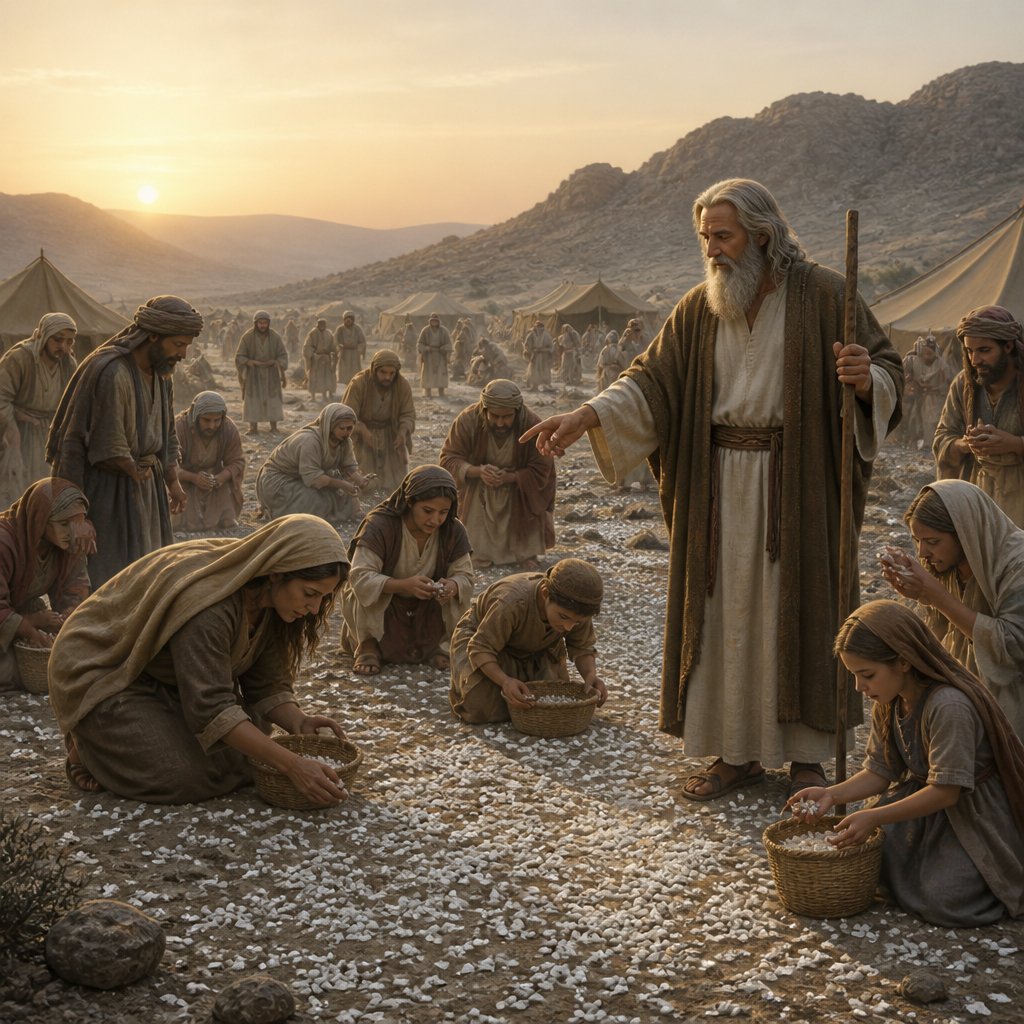
As we read Exodus 16:15, "And when the children of Israel saw it, they said one to another, It is manna: for they wist not what it was. And Moses said unto them, This is the bread which the LORD hath given you to eat," we find ourselves reflecting on a profound moment in the journey of the children of Israel. This account takes place in the wilderness, a place marked by uncertainty, scarcity, and hardship. Yet, in this barren landscape, God exemplifies His faithfulness and provision.
Manna, which means "What is it?" in Hebrew, was a mystery to the Israelites. They had traveled through a land desolate of food, and here they were met with a substance that confounded them yet sustained them. Isn’t it fascinating how God chose to provide for His people in a way that required them to rely on Him? Instead of sending an abundance of familiar food, He sent what some might describe as a divine surprise, a heavenly gift that nobody had encountered before.
This moment illustrates the profound truth that often, God’s provisions come wrapped in unexpected ways. The Israelites' first reaction—to question the unfamiliarity of the manna—reflects a common human tendency to seek comfort in the known. How often do we, too, find ourselves longing for what is familiar? We desire God’s provision but set expectations on how it should arrive, on our time and in our way.
The context of this miraculous event is vital to comprehend its significance. The Israelites had just escaped the oppressive grip of Pharaoh and the strenuous life in Egypt. In their cries for freedom, they were led toward the wilderness, where they faced perilous circumstances. In their desperation, they complained to Moses, yearning for the comforts of Egypt, not realizing that they were on a journey to a Promised Land that lay beyond their immediate struggles. The journey was crucial for their growth, as was the understanding of God’s sovereignty and provision.
Moses’s reassurance is central: "This is the bread which the LORD hath given you to eat." In this statement lies the essence of faith: recognizing God’s goodness even when circumstances seem dire. Manna symbolizes not just sustenance, but also God’s faithfulness to His covenant people. Each morning, they had the chance to gather fresh manna, a ritual that would remind them of God’s daily provision. It served as a tangible reminder of His desire to fulfill their needs, teaching them reliance on Him for every meal rather than storing up what might spoil.
Theologically, manna represents Jesus Christ, who referred to Himself as the "bread of life" in John 6:35. Just as the children of Israel had their needs met through the provision of manna, believers today are invited to partake of the sustenance that Jesus provides spiritually. He nourishes our souls, fulfills our cravings for acceptance, love, and purpose, and sustains us in every trial.
Additionally, this story encourages us to examine our own lives—especially in our wilderness experiences. Are we recognizing God’s provision in the unexpected? Are we trusting Him to feed our spirits when physical or emotional nourishment seems absent? The Israelites’ journey illustrates that God’s gifts come in diverse forms, inviting us to open our eyes to discern His hand at work.
In conclusion, Exodus 16:15 serves as both a reminder and an invitation. It points to God’s unfailing provision in our lives, urging us to trust Him even when faced with uncertainty. As we navigate our deserts, may we seek the "manna" He provides, acknowledging that even the unfamiliar can be a source of blessing. As we gather these daily mercies, let us proclaim with gratitude: "This is the bread which the LORD hath given to us to eat."
Want to reflect more on Exodus 16:15?
Continue your spiritual journey with Bible Chat — an AI-powered tool for exploring God's Word through conversation. Ask questions, discover connections, and deepen your understanding.
Get Our Apps


Exodus 16:15 Artwork

Exodus 16:15 - "And when the children of Israel saw it, they said one to another, It is manna: for they wist not what it was. And Moses said unto them, This is the bread which the LORD hath given you to eat."
"And when the children of Israel saw it, they said one to another, It is manna: for they wist not what it was. And Moses said unto them, This is the bread which the LORD hath given you to eat." - Exodus 16:15
Exodus 15:16 - "Fear and dread shall fall upon them; by the greatness of thine arm they shall be as still as a stone; till thy people pass over, O LORD, till the people pass over, which thou hast purchased."

exodus 15

Exodus 24:16

Exodus 25:16

Exodus 15:22

Exodus 15:23

Exodus 15:5
Exodus 15:23

Exodus 15:21

Exodus 25:16

Exodus 25:16

Exodus 20:15 - "Thou shalt not steal."

Exodus 28:15-30

Exodus 8:1-15

Exodus 19:16-20

Exodus 16:11 - "¶ And the LORD spake unto Moses, saying,"

Exodus 16:30 - "So the people rested on the seventh day."

Exodus 15:18 - "The LORD shall reign for ever and ever."

Exodus 16:36 - "Now an omer is the tenth part of an ephah."

Genesis 15:16
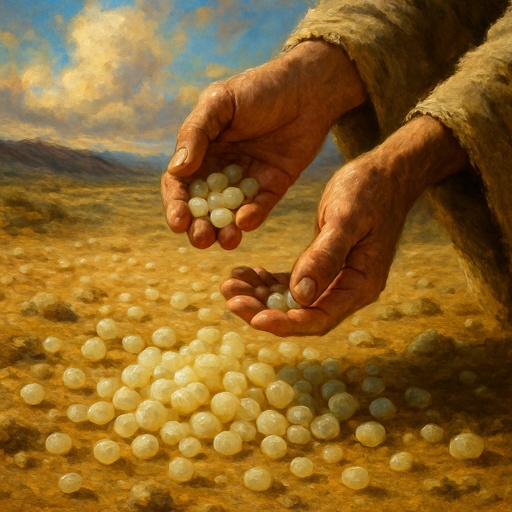
In Exodus 16, create the image of manna

Exodus 15:3 - "The LORD is a man of war: the LORD is his name."

Exodus 16:19 - "And Moses said, Let no man leave of it till the morning."

Genesis 16:15

Exodus 17:15 - "And Moses built an altar, and called the name of it Jehovah-nissi:"

Exodus 25:15 - "The staves shall be in the rings of the ark: they shall not be taken from it."

Exodus 24:15 - "And Moses went up into the mount, and a cloud covered the mount."

Exodus 15:5 - "The depths have covered them: they sank into the bottom as a stone."