The God Who is Our Banner
“And Moses built an altar, and called the name of it Jehovah-nissi:” — Exodus 17:15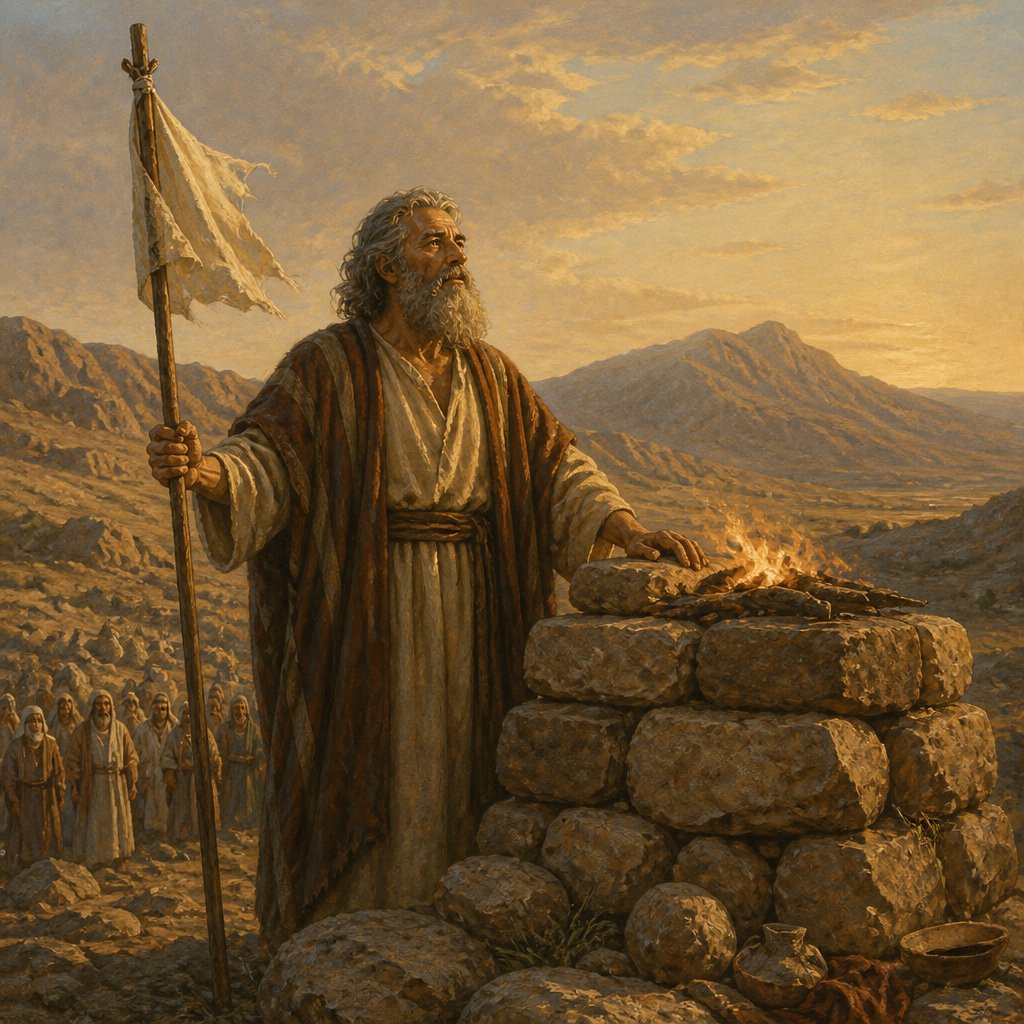
Exodus 17:15 tells us, "And Moses built an altar, and called the name of it Jehovah-nissi." This profound moment in the life of Moses and the Israelites unveils the significance of God's enduring presence and the power of His intervention in our struggles.
To fully appreciate the depth of this scripture, we must first understand the context. The Israelites, newly freed from slavery in Egypt, found themselves in the wilderness facing numerous trials. One significant conflict arose when the Amalekites attacked them at Rephidim. The Israelites were frightened and overwhelmed by their torrential foe. In this time of crisis, Moses called upon Joshua, saying to him, "Choose us out men, and go out, fight with Amalek: tomorrow I will stand on the top of the hill with the rod of God in mine hand" (Exodus 17:9). Here we see the dual nature of human struggle: while we must take action, we also rely on God's strength.
As Moses ascended the hill with the rod of God, the story unfolds dramatically. As long as Moses held his hands up, Israel prevailed; but when he let down his hands, Amalek prevailed. This demonstrates the power of divine assistance in our battles. It signifies that victory does not solely depend on our efforts but on the presence and help of God. When Moses' arms grew weary, Aaron and Hur came alongside him, supporting his arms until the sunset ended the battle. Their support embodies the beauty of community and the necessity of fellowship in our spiritual journey. We are not meant to fight our battles alone; we need friends who will stand with us and uphold us in prayer, especially when our strength wanes.
After a great victory by God's hands, Moses recognized this divine intervention and gratitude spilled from his heart. He built an altar and named it Jehovah-nissi, which translates to "The Lord is my Banner." This name serves as a powerful reminder of God's protection and leading. The act of building an altar signifies an acknowledgment of the moment and a commitment to remember what God has done. In the Old Testament, altars were places of worship, sacrifice, and remembrance. They served as markers of God's faithfulness and were essential in keeping the community aware of their relationship with God.
Naming God as Jehovah-nissi reminds us that He is our ultimate source of strength and victory in all of life’s battles.
In our own lives, we often face spiritual and physical battles that can be just as daunting as those faced by the Israelites. Whether it’s battling personal sin, addiction, health issues, or external pressures from the world, we need to remember that the Lord fights for us. It is crucial to bring our struggles before God, seeking His guidance and support. The banner under which we fight is not just a title, but a reminder that we are part of a larger story—His story. When we raise the banner of Jehovah-nissi, we acknowledge that we are not fighting alone. This name encapsulates God’s faithfulness, His ability to save, and His promise to lead us through the valleys.
As we reflect on our own altars, let us consider how we acknowledge God's presence and intervention in our lives. What markers of His faithfulness can we identify? Perhaps it is a journal of answered prayers, a testimony to share, or a moment that reminds us of His grace. Let us build our own altars of remembrance, declaring victories in our lives, and naming Him our Jehovah-nissi, our Banner.
In conclusion, Exodus 17:15 is more than just a historical account; it is an enriching promise for us today. We serve a God who fights for us and raises a banner over us, rallying us to victory. When we worship and build altars in recognition of His power, we invite His presence into our battles. Let us carry our banner high, confidently proclaiming that the Lord is with us, leading us to victory over every challenge we face.
Get our apps


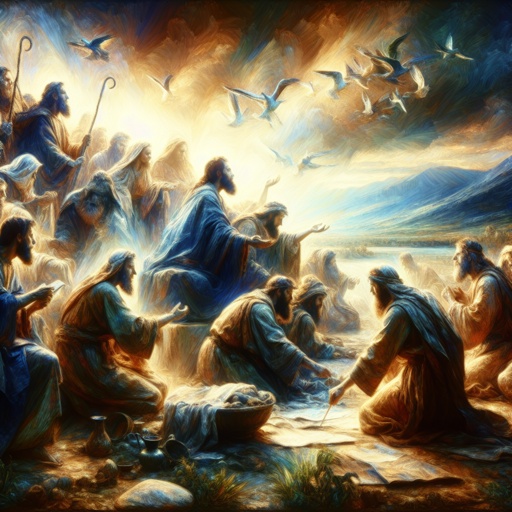
Artwork for Exodus 17:15

Exodus 17:15 - "And Moses built an altar, and called the name of it Jehovah-nissi:"
"And Moses built an altar, and called the name of it Jehovah-nissi:" - Exodus 17:15

Exodus 15:17 - "Thou shalt bring them in, and plant them in the mountain of thine inheritance, in the place, O LORD, which thou hast made for thee to dwell in, in the Sanctuary, O Lord, which thy hands have established."

exodus 15
Exodus 17:10

Exodus 17:11

Exodus 17:6

Exodus 17:3

Exodus 17:3
Exodus 17:6

Exodus 17:6

Exodus 24:17

Exodus 17:6

Exodus 15:22

Exodus 15:23

Exodus 15:5
Exodus 15:23

Exodus 15:21

Exodus 20:15 - "Thou shalt not steal."

Exodus 30:17 - "¶ And the LORD spake unto Moses, saying,"

Exodus 17:8 - "¶ Then came Amalek, and fought with Israel in Rephidim."

Exodus 28:15-30

Exodus 8:1-15

Exodus 13:17-14:29

Genesis 17-15

Acts 17:15

Provers 15:17

Exodus 6:17 - "The sons of Gershon; Libni, and Shimi, according to their families."

Exodus 34:17 - "Thou shalt make thee no molten gods."

Exodus 15:18 - "The LORD shall reign for ever and ever."