Embracing Our Journey: The Lessons of Gershom
“And her two sons; of which the name of the one was Gershom; for he said, I have been an alien in a strange land:” — Exodus 18:3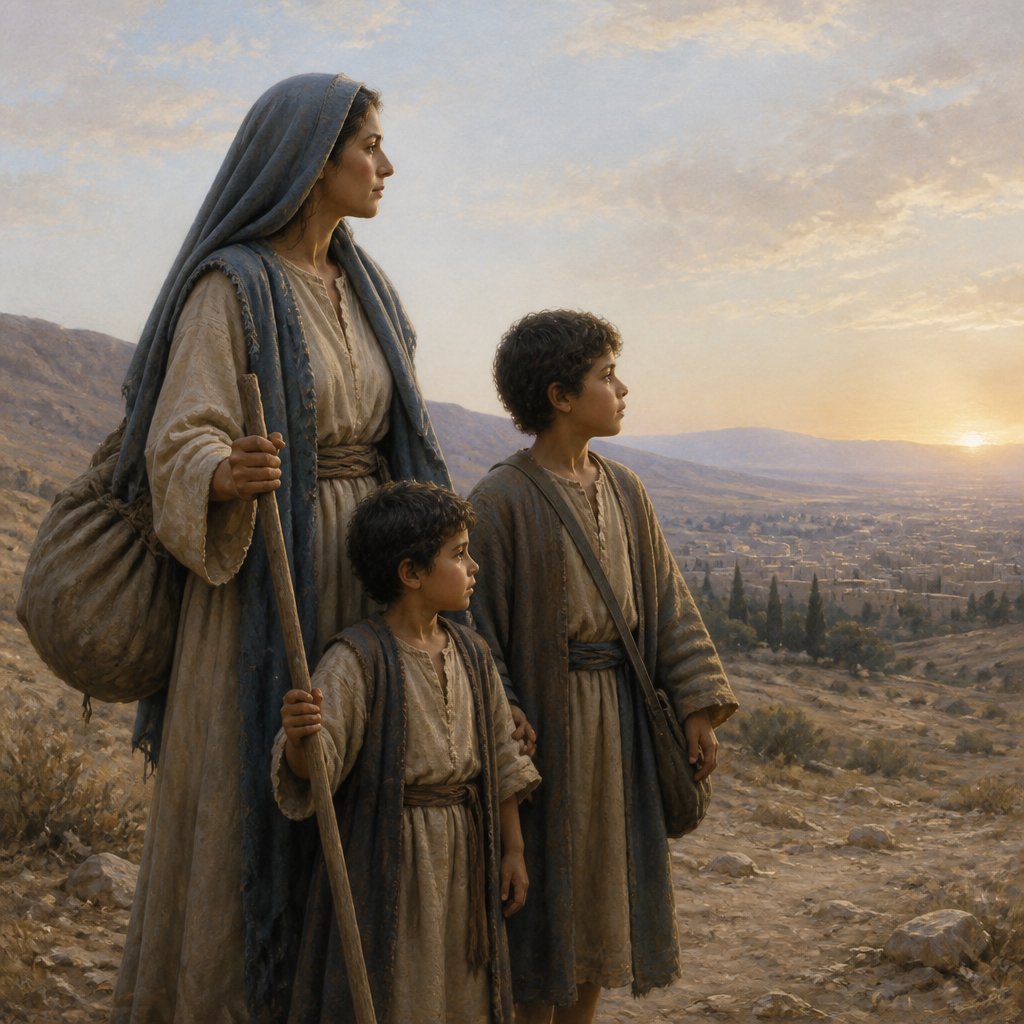
In the book of Exodus, chapter 18, verse 3, we encounter a poignant reflection of the human experience through the name given to Moses’ son, Gershom: "And her two sons; of which the name of the one was Gershom; for he said, I have been an alien in a strange land." This single verse, though short, opens the door to profound spiritual insights intriguing the believer's heart.
The first striking element of this verse is the meaning of the name "Gershom." The Hebrew root communicates the notion of being a stranger or sojourner. This resonates deeply when we reflect upon Moses’ own life journey. Born in Egypt yet raised in a Hebrew family, Moses’ existence was marked by a series of transitions; he was neither fully Egyptian nor completely Hebrew. His life begins with privilege but culminates in exile after the murder of an Egyptian. Even though he fled to Midian seeking refuge, he likely felt the weight of alienation.
Gershom’s name serves as a reminder of Moses’ reality. We can find echoes of this sentiment within our lives as well. In today’s fast-paced world, many individuals feel out of place or questioned when striving to uphold their beliefs and values. Like Moses, we may find ourselves in environments that challenge or obscure our identity in God. In a culture that often promotes individualism and skepticism, how do we remain steadfast in our faith?
To understand Gershom’s significance, we must look at the underlying biblical theme of alienation. The Bible frequently speaks of God’s people as sojourners, reminding us that this world is not our ultimate home (Hebrews 11:13-16). The life of a Christian is indeed one of paradox: we are deeply rooted in God’s love, yet we constantly engage with a world that may seem foreign to us. This conflict is a fertile ground for growth, molding us into resilient believers.
When Moses names his son Gershom, he emphasizes his own consciousness of alienation, thus inviting us to reflect on our life's journey. By acknowledging our exile—whether it be a physical displacement due to circumstances, emotional alienation within relationships, or spiritual discord with worldly expectations—we are compelled to search for our true identity in Christ.
Let us consider the actions stemming from this name. In naming his son Gershom, Moses does not express defeat or resignation but rather acknowledges the reality of his situation. It is not your circumstances that define you; it is how you respond to those circumstances. In moments of feeling like an outsider, or not belonging, we must not despair. Instead, we can echo the confession of Moses: "I am here, in a land that is not my own, but I trust in God’s purpose for me."
The narrative Simon Peter gives in 1 Peter 2:11 resonates clearly with this experience of alienation: "Dearly beloved, I beseech you as strangers and pilgrims, abstain from fleshly lusts, which war against the soul." Our identity as believers in Christ renders us foreigners in a world that often does not understand our values and convictions. Yet, we are assured that God has called us out, He has chosen us, not because we possess anything valuable, but because He desires to shape us into His image.
Gershom's name points us to a divine lesson: embrace the journey as our calling. Being in a ‘strange land’ can unveil our purpose and urgency in bringing the light of Christ wherever we find ourselves. We are meant to shine brightly in this dark world, and our alienness can serve as a testimony of grace—a conversation starter about hope that transcends our circumstances.
Ultimately, we can derive comfort from the truth that, although we may feel like strangers, we are held fast in the hands of our Creator who knows our every hardship and is ever-present in our journey. As you navigate through the complexities of life, remember Moses’ son, Gershom, and let your seasons of alienation propel you closer to God, affirming your identity in Him, as His beloved child.
Get our apps


Artwork for Exodus 18:3

Exodus 18:3 - "And her two sons; of which the name of the one was Gershom; for he said, I have been an alien in a strange land:"
"And her two sons; of which the name of the one was Gershom; for he said, I have been an alien in a strange land:" - Exodus 18:3

Exodus 18

Exodus 31: 18

exodus 18:11
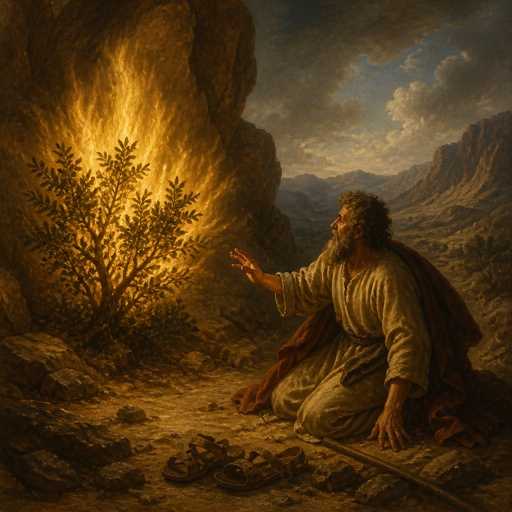
exodus 3

exodus 3

Exodus 22:18 - "¶ Thou shalt not suffer a witch to live."

Exodus 15:18 - "The LORD shall reign for ever and ever."

Exodus 35:18 - "The pins of the tabernacle, and the pins of the court, and their cords,"

Exodus 28:18 - "And the second row shall be an emerald, a sapphire, and a diamond."

Exodus 10:18 - "And he went out from Pharaoh, and intreated the LORD."

Exodus 17:3

Exodus 3:12

Exodus 3:12

Exodus 3:12

Exodus 3:12

Exodus 3:12
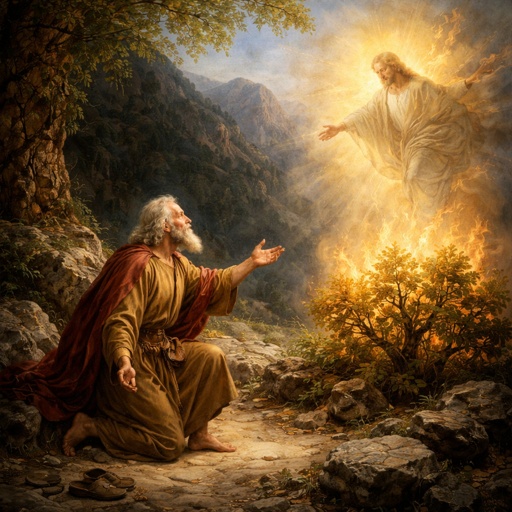
exodus 3:11

Exodus 3:14

exodus 3:14

Exodus 3:14

Exodus 3:14

Exodus 3:14

Exodus 17:3

Exodus 3:12

Exodus 3:12

Exodus 18:18 - "Thou wilt surely wear away, both thou, and this people that is with thee: for this thing is too heavy for thee; thou art not able to perform it thyself alone."

Exodus 33:18 - "And he said, I beseech thee, shew me thy glory."

Exodus 1:3 - "Issachar, Zebulun, and Benjamin,"