The Promise of Honor: Embracing Our Heritage
"Honour thy father and thy mother: that thy days may be long upon the land which the LORD thy God giveth thee." - Exodus 20:12
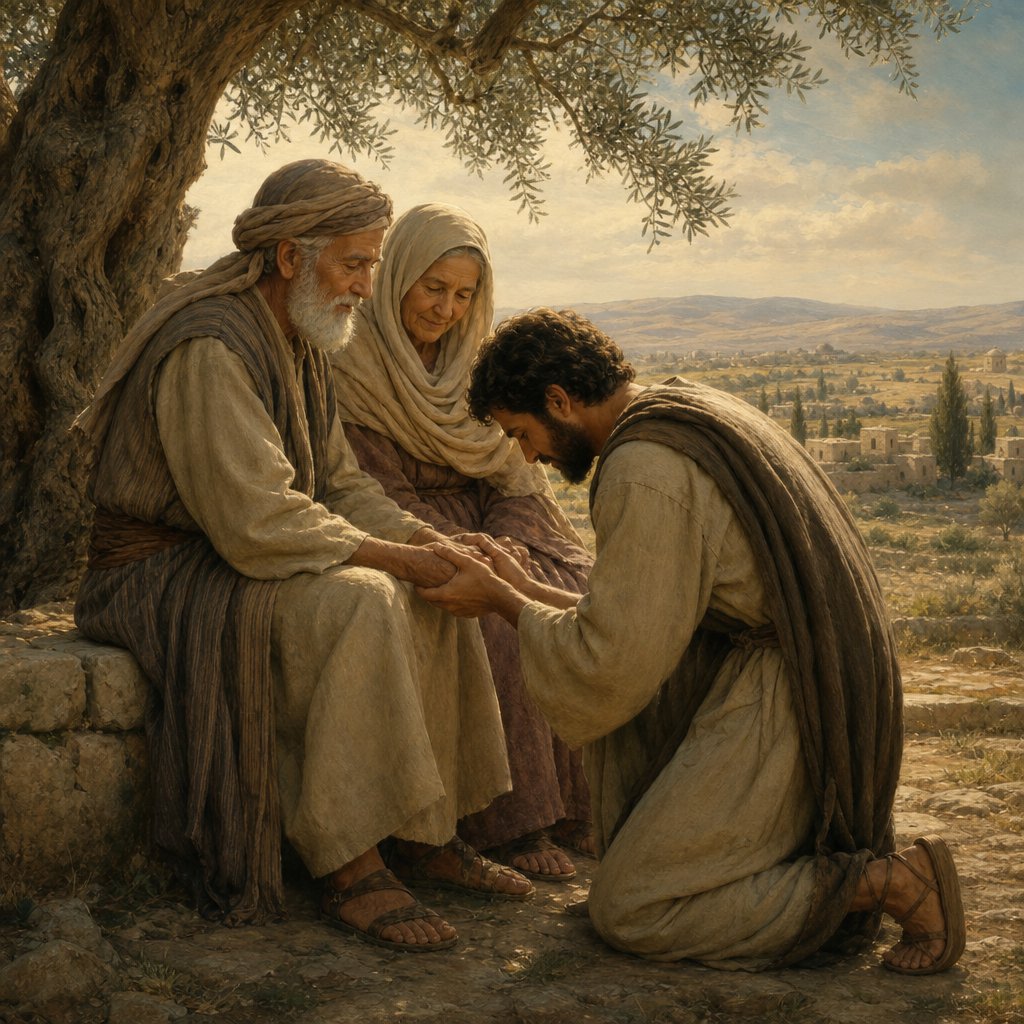
Exodus 20:12 in the King James Version states, "Honour thy father and thy mother: that thy days may be long upon the land which the LORD thy God giveth thee." This commandment, nestled among the ten that form the moral foundation for believers, calls us into a profound relational dynamic with our parents and, by extension, all authority figures in our lives. As we explore this verse, we will uncover its implications, the heart of its message, and the blessings that flow from obeying it.
The command to honor our father and mother is not merely a directive to show respect; it is a call to attach significance to the roles they play in our lives. In ancient Israel, family was not just a social unit but a critical element of one’s identity. The familial structure was one of the pillars of the community. To honor parents meant to recognize their sacrifices, to appreciate their teachings, and, most importantly, to acknowledge their God-ordained role in our lives. Today, we face a world that often undermines this value, promoting individualism over collective responsibility and scorning traditional family dynamics. However, the call remains the same: to honor our parents in ways that reflect respect and gratitude.
So, what does it mean to honor? Honor encompasses several key attitudes and actions. First, it involves a deep-seated respect, perceiving our parents as people endowed with their own life experiences, beliefs, and struggles. It means listening and seeking to understand their perspectives, even when we disagree. In Proverbs 1:8, we are urged, "My son, hear the instruction of thy father, and forsake not the law of thy mother." Listening is an act of honoring, as it elevates the wisdom and experience that parents offer.
Next, honoring our parents means caring for them, especially as they grow older. In a culture that often relegates the elderly to the sidelines, the Bible calls us to value and support those who raised us. This compassion is a tangible expression of love and respect that extends beyond words. Remember 1 Timothy 5:4, where the Apostle Paul emphasizes the importance of repaying parents for their care by providing for them in their time of need. Our actions should consistently reflect the honor we proclaim.
Furthermore, honoring parents also involves forgiving them. The reality is that no parent is perfect. Many of us carry deep-seated wounds stemming from our relationships with our parents. Recognizing our parents' struggles and human limitations can open the pathway to forgiveness. Ephesians 4:32 exhorts us to be "kind one to another, tenderhearted, forgiving one another, even as God for Christ's sake hath forgiven you." Forgiveness is paramount not only for our peace but serves as a powerful testimony of God’s grace in our lives.
The promise attached to this commandment is remarkable: "that thy days may be long upon the land which the LORD thy God giveth thee." This blessing is not just a reward but rather a principle woven into the fabric of divine order. Honoring our parents cultivates a spirit of gratitude that wards off bitterness and rebellion, which can lead to a shortened life. As we fulfill God’s command, we put ourselves in the path of His blessings.
Reflecting upon how we can apply this commandment, consider starting by praying for your parents—ask for understanding and guidance, and allow God's Spirit to soften hearts. Seek opportunities to express your appreciation through words and deeds. Engage in meaningful conversations, embracing humility and patience. Infuse your actions with love as you support them, realizing that by doing so, you reflect Christ's love.
In honoring our parents, we honor God. This commandment is ultimately about the heart, which mirrors our relationship with authority itself: first with God, and then with those He places in our lives. Let us embrace our heritage, understanding that through honor, we also cement our legacy of love and faith for generations to come.
Want to reflect more on Exodus 20:12?
Continue your spiritual journey with Bible Chat — an AI-powered tool for exploring God's Word through conversation. Ask questions, discover connections, and deepen your understanding.
Get Our Apps


Exodus 20:12 Artwork
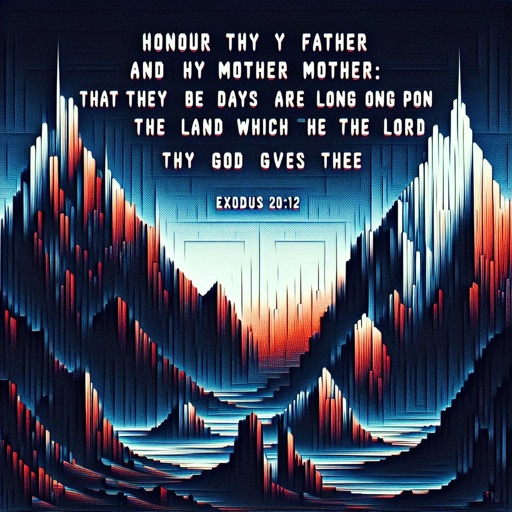
Exodus 20:12 - "¶ Honour thy father and thy mother: that thy days may be long upon the land which the LORD thy God giveth thee."

"¶ Honour thy father and thy mother: that thy days may be long upon the land which the LORD thy God giveth thee." - Exodus 20:12
"¶ Honour thy father and thy mother: that thy days may be long upon the land which the LORD thy God giveth thee." - Exodus 20:12
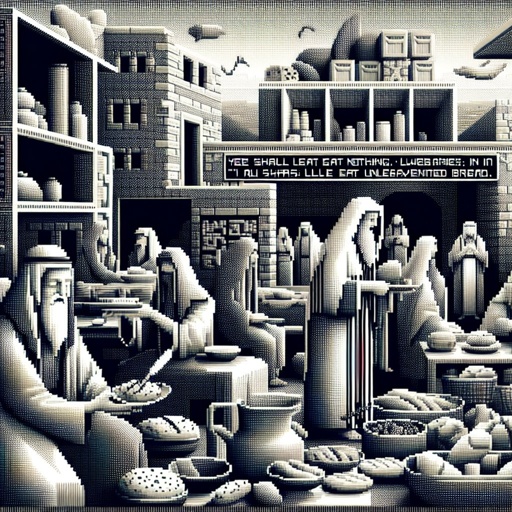
Exodus 12:20 - "Ye shall eat nothing leavened; in all your habitations shall ye eat unleavened bread."

Exodus 12:12
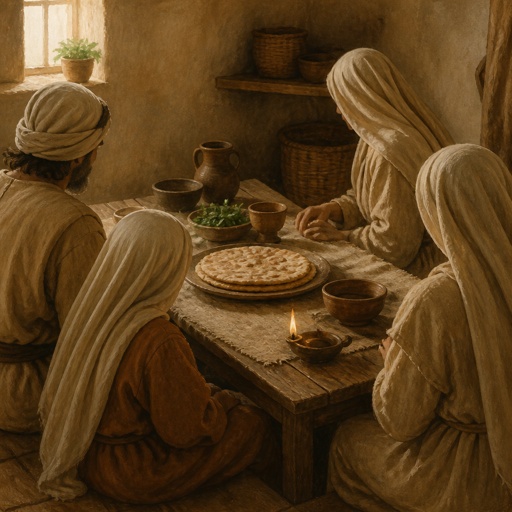
"Ye shall eat nothing leavened; in all your habitations shall ye eat unleavened bread." - Exodus 12:20

Exodus 23:20

Exodus 20:2

Exodus 27:20

Exodus 27:20

Exodus 27:20

Exodus 20:14

Exodus 20:15 - "Thou shalt not steal."

Exodus 20:13 - "Thou shalt not kill."

Exodus 27:19-20

Exodus 19:16-20

Exodus 20:14 - "Thou shalt not commit adultery."

Exodus 3:12

Exodus 3:12

Exodus 3:12

Exodus 3:12

Exodus 3:12

Exodus 12:33

Exodus 20:1 - "And God spake all these words, saying,"

Exodus 20:8 - "Remember the sabbath day, to keep it holy."

Exodus 12:7

Exodus 10:12
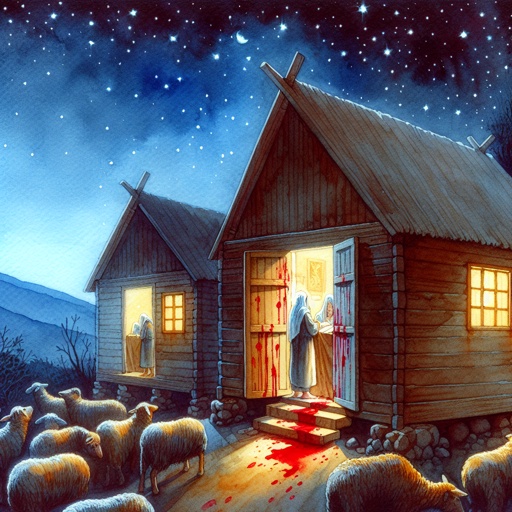
Exodus 12:13

Exodus 10:12

Exodus 3:12