The Weight of Our Words: A Reflection on Honesty
“Thou shalt not bear false witness against thy neighbour.” — Exodus 20:16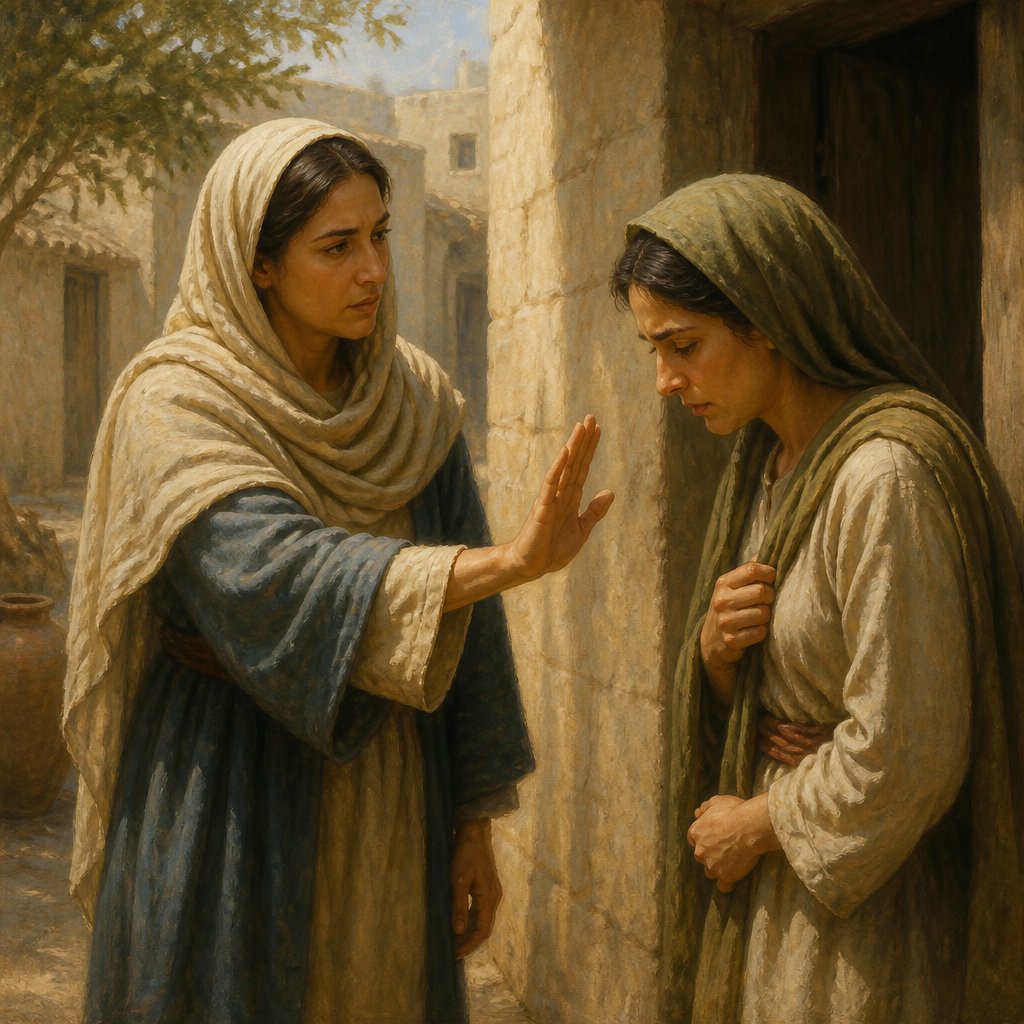
In the tapestry of the Ten Commandments, each thread bears significant meaning and purpose. Exodus 20:16 is particularly poignant: "Thou shalt not bear false witness against thy neighbour." This commandment, though concise, resonates deeply with the values of truthfulness, integrity, and love for one another. As we delve into this verse, we explore the implications of truth-telling and the consequences of dishonesty in our relationships and communities.
To bear false witness is to provide testimony that is not true, whether in a legal setting or, more insidiously, in day-to-day conversations that shape perceptions and reputations. In the context of ancient Israel, where community and honor were fundamental, this commandment would have resonated deeply. Gossip, slander, and misrepresentation could devastate lives, families, and entire communities. The call to honesty, therefore, was not merely an ethical directive; it was a cornerstone for maintaining harmony and trust among God's people.
In today's world, the application of this commandment remains profoundly relevant. Social media has amplified our voices, giving each of us a platform to communicate freely. However, the rapid sharing of information can often blur the lines between truth and fiction. Misinformation spreads like wildfire, and in our desire to be heard, we may inadvertently perpetuate falsehoods that lead to misunderstanding, division, and harm.
As followers of Christ, we are called to embody the truth. Jesus Himself declared, "I am the way, the truth, and the life" (John 14:6 KJV). By following Him, we are to reflect His character in our interactions, ensuring that our words contribute to construction rather than destruction. To honor this commandment, we must embrace a life of honesty at all levels: in our thoughts, our speech, and our actions.
Let us consider the implications of bearing false witness not only against neighbors in the traditional sense but also against ourselves. Often, we fall into the trap of self-deception, believing lies about our worth or identity that contradict the truth of who we are as children of God. By accepting false narratives, we tarnish the image God has uniquely crafted within each of us. As we strive to let our words align with God’s truth, we must also speak truth over our lives, rejecting the false identities that the world may impose.
The commandment to not bear false witness inherently calls us to be proactive in truth-telling. It invites us to engage in conversations where grace, love, and honesty prevail. It encourages us to question the words we share about others: are we interpreting their actions through a lens of love or judgment? Are we seeking to understand rather than to malign? This requirement stakes its claim in our communal relationships, urging us to bear the burdens of others with integrity.
In a culture that often glorifies sensationalism, the believer's commitment to truth can serve as a beacon of light. Our willingness to stand apart from the inclination to embellish or distort truth can spark opportunities for healing and reconciliation. Galatians 6:1 KJV instructs us, "Brethren, if a man be overtaken in a fault, ye which are spiritual, restore such an one in the spirit of meekness; considering thyself, lest thou also be tempted." Through our truthful engagement, we become instruments of restoration rather than division.
As we reflect on Exodus 20:16, let us remember the weight that our words carry. Each utterance has the potential to build Up or tear down—to affirm or to diminish. In our lips, we possess the power to promote a culture of truthfulness that mirrors the heart of our Savior. Let us approach each interaction with an abiding commitment to honesty, allowing God's Spirit to guide our conversations. May we resolve this day to bear true witness, not only to our neighbors but also to ourselves, and in doing so, reflect Christ's character in a world longing for truth.
Get our apps


Artwork for Exodus 20:16

Exodus 20:16 - "Thou shalt not bear false witness against thy neighbour."
"Thou shalt not bear false witness against thy neighbour." - Exodus 20:16

Exodus 19:16-20
Exodus 16:20 - "Notwithstanding they hearkened not unto Moses; but some of them left of it until the morning, and it bred worms, and stank: and Moses was wroth with them."

Exodus 23:20

Exodus 20:2

Exodus 27:20

Exodus 27:20

Exodus 27:20

Exodus 20:14
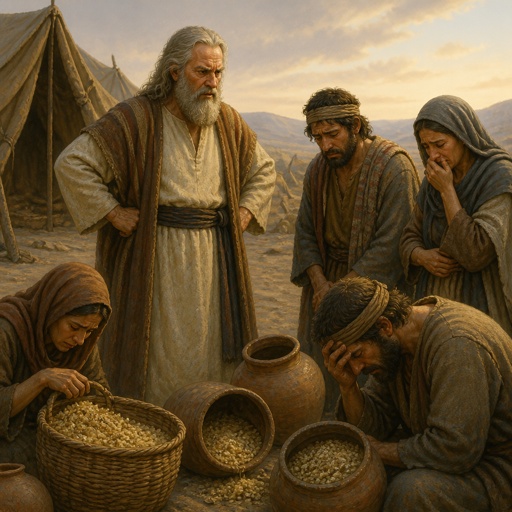
"Notwithstanding they hearkened not unto Moses; but some of them left of it until the morning, and it bred worms, and stank: and Moses was wroth with them." - Exodus 16:20

Exodus 24:16

Exodus 25:16

Exodus 20:15 - "Thou shalt not steal."

Exodus 20:13 - "Thou shalt not kill."

Exodus 27:19-20

Exodus 25:16

Exodus 25:16

Exodus 20:14 - "Thou shalt not commit adultery."

Exodus 20:1 - "And God spake all these words, saying,"

Exodus 20:8 - "Remember the sabbath day, to keep it holy."

Mark 16:20
Mark 16:20

Deuteronomy 20:16
Mark 16:20

Genesis 20-16

Mark 16:20

Deuteronomy 20:16

Mark 16:20

Deuteronomy 20:16