The Weight of Responsibility: Lessons from Exodus 21:28
"If an ox gore a man or a woman, that they die: then the ox shall be surely stoned, and his flesh shall not be eaten; but the owner of the ox shall be quit." - Exodus 21:28
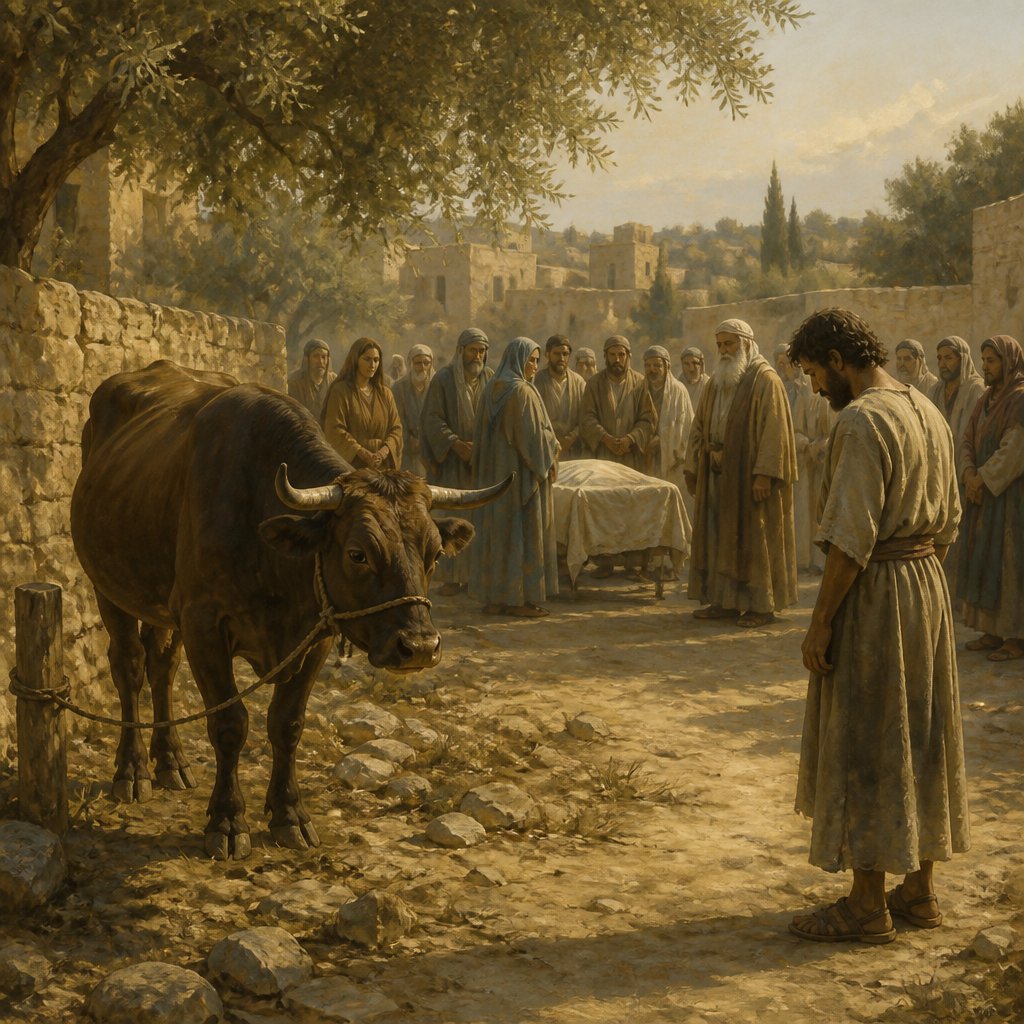
In the landscape of biblical law, Exodus 21:28 stands out as a poignant reminder of the weight of our responsibilities and the moral consequences of our actions. The passage states: "If an ox gore a man or a woman, that they die: then the ox shall be surely stoned, and his flesh shall not be eaten; but the owner of the ox shall be quit." In this verse, we find deep principles about accountability, justice, and the sanctity of life.
At first glance, this verse may seem to pertain only to ancient animal husbandry and the responsibilities of livestock owners. However, a closer examination reveals timeless truths relevant to us today. The ox represents not just an animal but also implies the concepts of power and potential harm that creatures (or, in a broader sense, anything under our guardianship) can wield. The owner symbolizes authority and responsibility, underscoring a vital relationship between what we possess and how we steward it.
Within the context of this verse, we see that the act of an ox goring a person is not just a tragic mishap; it is viewed as a serious offense. When such an incident occurs, not only is the ox dealt with harshly—stoned, as prescribed—but the fate of the owner is outlined as well. Interestingly, scripture indicates that the owner is "quit"—a legal term meaning he is free of guilt regarding the incident, provided he had taken reasonable precautions. This introduces a complex layer to our understanding of justice: while the ox is accountable because it has resulted in a death, the owner must also be aware of his role in the stewardship of his property.
This passage compels us to reflect on the stones we cast in our own lives. Each one of us has agency over aspects of our lives—the people, tasks, and responsibilities entrusted to us. Are we always diligent stewards of what is in our charge? The sorrow and destruction that can arise when we neglect our responsibilities echo through the generations, reminding us that we carry a weight that is often invisible: the weight of our influence.
Furthermore, the intense nature of the punishment prescribed for the ox—stoning—reveals how seriously God views the protection of human life and the consequences of negligence. Even in this ancient context, we see echoes of God’s heart: that life is sacred, and any loss demands a corresponding response. It evokes a reflection on our modern attitudes toward life, our actions, and their potential impact on others. As we navigate our interactions, are we aware of how our behaviors and choices may lead to unforeseen consequences for those around us?
Moreover, the prohibition on eating the flesh of the stoned ox hints at a deeper spiritual teaching. The ox, once taken lives, should not be celebrated or consumed. It suggests the need for us to distance ourselves from that which has caused harm. In our lives, there are moments and elements that bear the marks of harm and destruction, and we are called to leave behind what has not borne fruit for life.
In a world that often shuffles the weight of responsibility onto others, this verse leads us to introspect on our accountability. We are reminded that to whom much is given, much is required (Luke 12:48). Let us strive to be mindful owners of our lives—recognizing our power and the potential consequence of our actions.
As we close this devotional, let us pray for wisdom to understand our responsibilities and the impact of our actions. May we choose to act justly, love mercy, and walk humbly with God, being diligent stewards of all He has entrusted to us. In our obedience, may we reflect His character more profoundly each day.
Want to reflect more on Exodus 21:28?
Continue your spiritual journey with Bible Chat — an AI-powered tool for exploring God's Word through conversation. Ask questions, discover connections, and deepen your understanding.
Get Our Apps


Exodus 21:28 Artwork
"¶ If an ox gore a man or a woman, that they die: then the ox shall be surely stoned, and his flesh shall not be eaten; but the owner of the ox shall be quit." - Exodus 21:28

Exodus 28:21 - "And the stones shall be with the names of the children of Israel, twelve, according to their names, like the engravings of a signet; every one with his name shall they be according to the twelve tribes."

Exodus 22:28

Exodus 28:4

Exodus 22:28

Exodus 23:28

Exodus 32:28

Exodus 22:28

Exodus 22:28

Exodus 22:28

exodus 28 ephod

Exodus 28:4

Exodus 28:4

Exodus 22:28

Exodus 28:4

Exodus 22:28

Exodus 22:28

Exodus 22:28

Exodus 22:28

Exodus 22:28

Exodus 23:28

Exodus 22:28

Exodus 22:28

Exodus 22:28

Exodus 28:30-43

Exodus 28:31-43

Exodus 28:31-34

Exodus 23:27-28

Exodus 28:15-30

Genesis 28-21