Judgments of the Heart: Embracing Divine Wisdom
“Now these are the judgments which thou shalt set before them.” — Exodus 21:1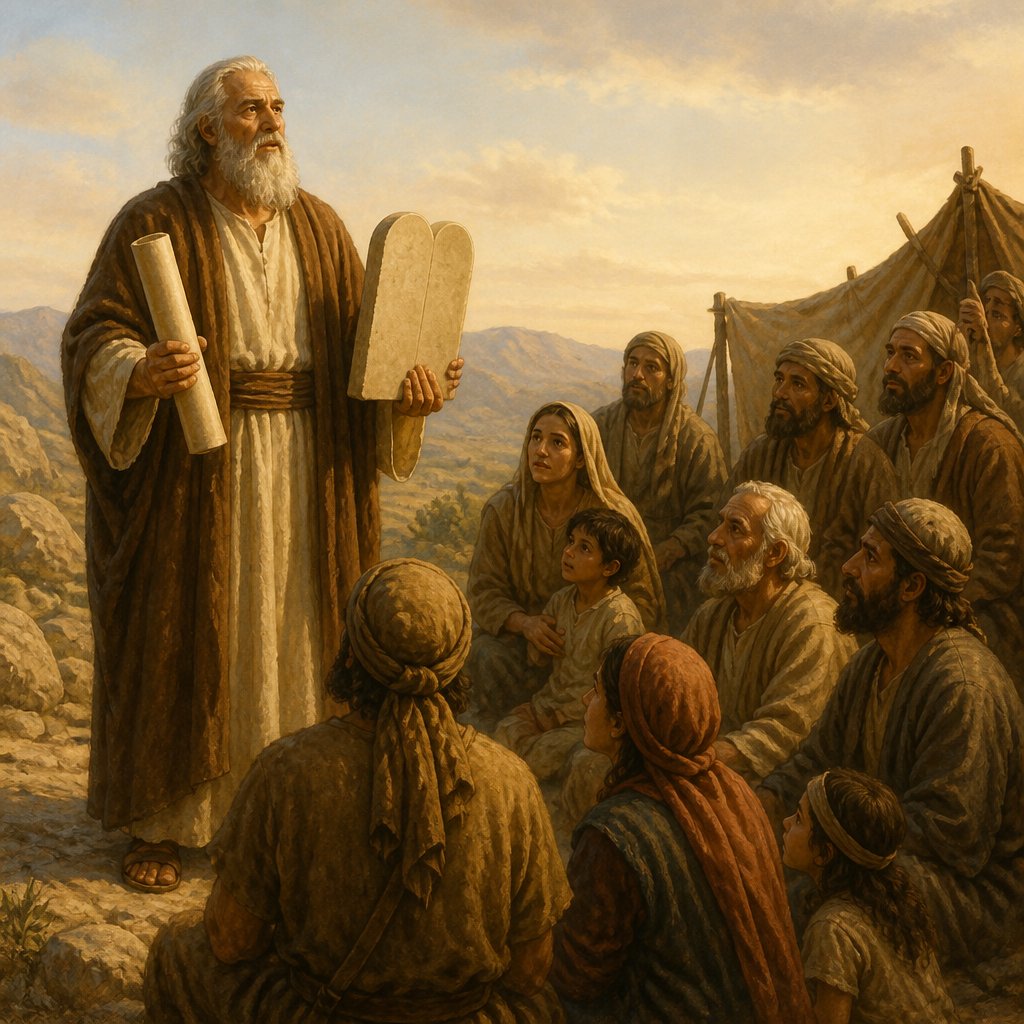
**Understanding Divine Judgments**
In Exodus 21:1, we encounter a profound and pivotal moment in the journey of the Israelites: “Now these are the judgments which thou shalt set before them.” This verse serves as a prelude to the legal and moral codes that God provides to His people through Moses. It marks an important transition in the relationship between humanity and divine authority, illustrating God's desire for His people to live in a just and orderly society. Here, we will explore the significance of these judgments, their implications for us today, and the heart behind God's command.
**The Context of God’s Judgments**
Exodus 21 follows the giving of the Ten Commandments, underscoring God’s intent not merely to provide static laws but to cultivate a community defined by righteousness and reverence. The phrase “thou shalt set before them” indicates a call to teach and to share these judgments, not merely to enforce them. In doing so, God emphasizes the role of leaders and parents to imbue society with principles of justice, mercy, and equity.
In the original Hebrew texts, the term for “judgments” refers to the decisions and laws that govern the actions and behaviors of individuals. It was not merely a list of dos and don’ts, but a framework through which God envisioned a society that reflects His nature. Thus, these judgments are as relevant to us today as they were thousands of years ago. They serve as a foundation for understanding the moral complexities we face.
**The Aim of Divine Order**
Why would God go through such lengths to establish these judgments? It is because He desires more than mere compliance; He longs for a deep, covenantal relationship with His people. By providing laws that govern both interpersonal relationships and societal conduct, God sets forth a blueprint that reveals His character.
For instance, consider how the commandments regarding theft, violence, and property further illuminate God’s concern for human dignity and agency. Each judgment aligns the hearts of individuals toward a communal ethic that honors both God and each other. Thus, these laws are designed to promote not only order but also a profound recognition of each person’s value and worth. In this, we see God’s intent to protect and preserve harmonious living among His chosen people.
**Application: Setting Judgments Before Our Hearts**
As followers of Christ, we must ask ourselves how we are interpreting and applying God’s judgments in our lives. Are we setting these divine principles before ourselves and our communities? The richness of these judgments can transform our character; they guide our decisions and shape our interactions. Our workplaces, families, and even our friendships are examples of spheres where we can set forth God’s laws of love, justice, and integrity.
One practical way to apply this is by actively studying and meditating on God’s Word. By internalizing the principles laid out in both the Old and New Testament, we can better reflect God’s judgments in our own behavior. Additionally, fostering environments that encourage discussions about morality and ethics can help us create a culture where these judgments are not only acknowledged but cherished.
**Confronting Modern Challenges**
In contemporary society, the relevance of God’s judgments may seem diminished, with ethical relativism often dominating the cultural landscape. However, we, as ambassadors of Christ, are called to challenge this notion by living out and sharing these divine truths. We can exemplify a better way through our actions, merging grace with truth and thus drawing others to the heart of God. Indeed, our lives should serve as a canvas that beautifully paints God’s justice, reminding people of His authority and love.
**Conclusion: A Response of Obedience**
Ultimately, our obedience to God’s commandments—those judgments we are to set before ourselves—reflects our understanding of who God is. The act of embracing and living by these divine principles is not just about adherence to rules but about nurturing a heart in alignment with God’s own. Each judgment challenges us to consider how we live, how we treat others, and how we contribute to building a society rooted in God's original intent.
In light of Exodus 21:1, may we commit ourselves to deeper study, reflection, and application of God’s judgments in our lives, that we might draw ourselves and those around us closer to the heart of God.
Get our apps


Artwork for Exodus 21:1

Exodus 21:1 - "Now these are the judgments which thou shalt set before them."
"Now these are the judgments which thou shalt set before them." - Exodus 21:1

Exodus 27:19-21

Exodus 1:21 - "And it came to pass, because the midwives feared God, that he made them houses."

Exodus 14: 21

Exodus 14: 21

Exodus 15:21

Exodus 21:21 - "Notwithstanding, if he continue a day or two, he shall not be punished: for he is his money."
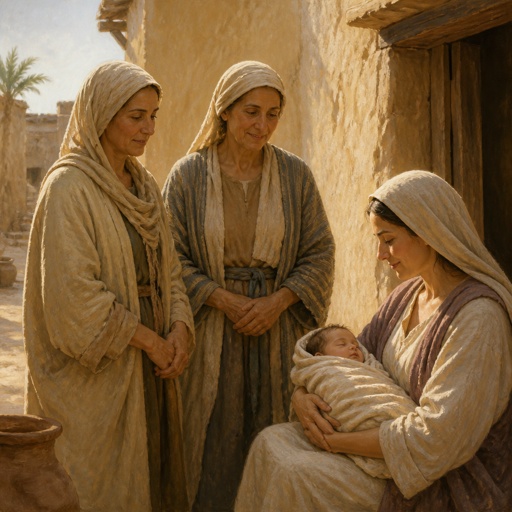
"And it came to pass, because the midwives feared God, that he made them houses." - Exodus 1:21
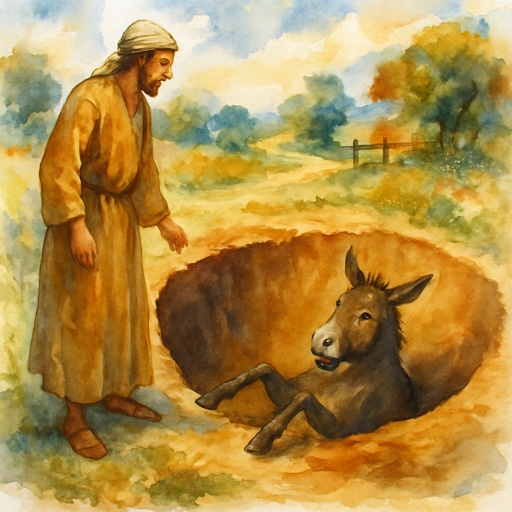
Exodus 21:33 And if a man shall open a pit, or if a man shall dig a pit, and not cover it, and an ox or an ass fall therein;

Exodus 6:21 - "¶ And the sons of Izhar; Korah, and Nepheg, and Zichri."

Exodus 21:25 - "Burning for burning, wound for wound, stripe for stripe."

The Plague of Darkness - Exodus 10:21-29

The Plague of Darkness - Exodus 10:21-29

The Plague of Darkness - Exodus 10:21-29

The Plague of Darkness - Exodus 10:21-29

The Plague of Darkness - Exodus 10:21-29

The Plague of Darkness - Exodus 10:21-29

The Plague of Darkness - Exodus 10:21-29

Exodus 21:24 - "Eye for eye, tooth for tooth, hand for hand, foot for foot,"

The Plague of Darkness - Exodus 10:21-29

The Plague of Darkness - Exodus 10:21-29

The Plague of Darkness - Exodus 10:21-29

Exodus 21:23 - "And if any mischief follow, then thou shalt give life for life,"

Exodus 36:21 - "The length of a board was ten cubits, and the breadth of a board one cubit and a half."
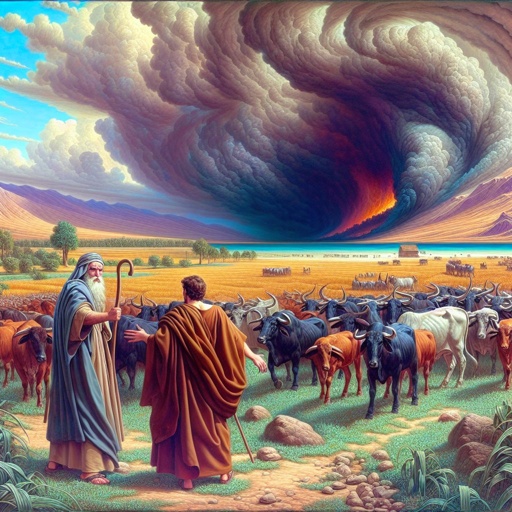
Exodus 9:21 - "And he that regarded not the word of the LORD left his servants and his cattle in the field."

Exodus 21:17 - "¶ And he that curseth his father, or his mother, shall surely be put to death."

Exodus 2:21 - "And Moses was content to dwell with the man: and he gave Moses Zipporah his daughter."

Exodus 21:15 - "¶ And he that smiteth his father, or his mother, shall be surely put to death."

Exodus 33:21 - "And the LORD said, Behold, there is a place by me, and thou shalt stand upon a rock:"