The Divine Refuge: Understanding God’s Justice and Mercy
“And if a man lie not in wait, but God deliver him into his hand; then I will appoint thee a place whither he shall flee.” — Exodus 21:13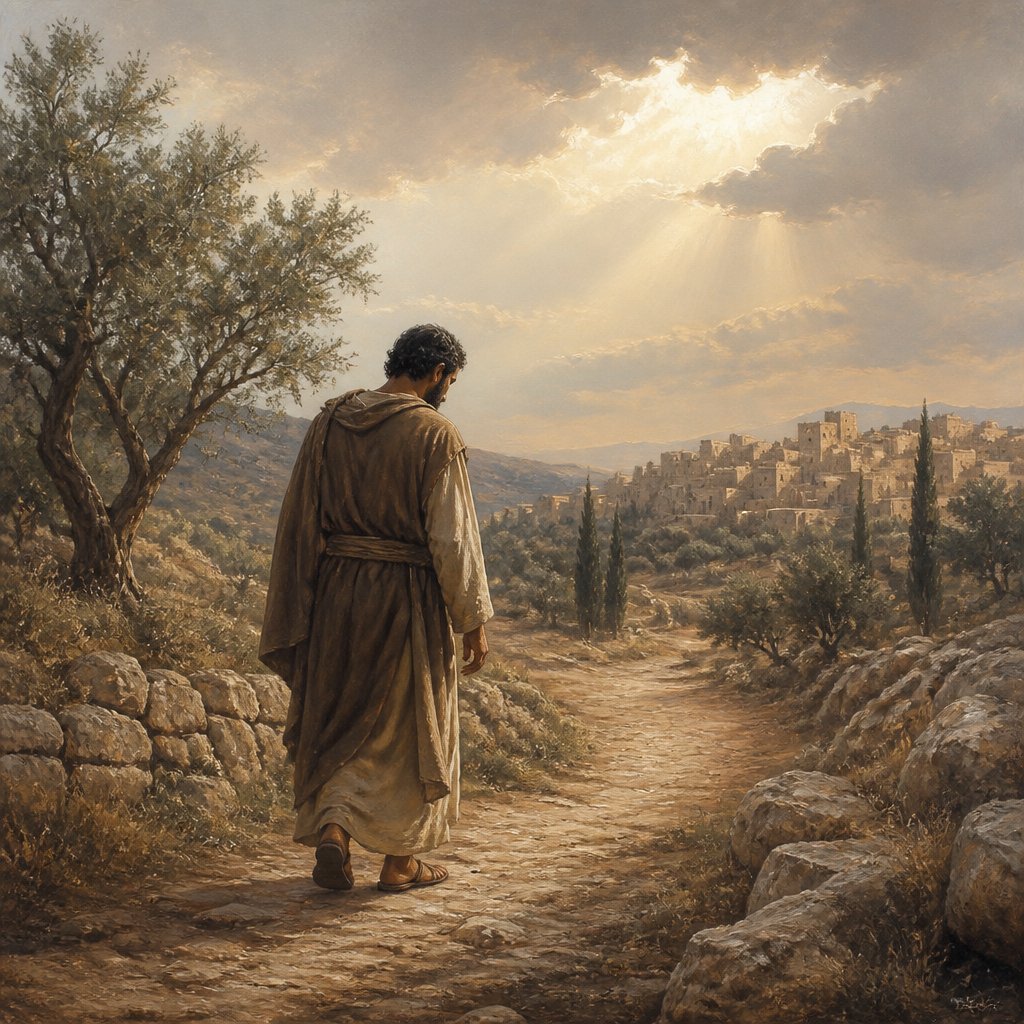
In Exodus 21:13, we encounter a profound revelation of God’s justice intertwined with His mercy: "And if a man lie not in wait, but God deliver him into his hand; then I will appoint thee a place whither he shall flee." This verse is nestled within a larger discourse regarding the laws governing interpersonal relationships and criminal justice in the Israelite community following their exodus from Egypt. Here, God’s guidance provides insight into the nature of unintentional harm and the provision of sanctuary – a concept that has both historical and contemporary significance.
### The Context of Justice and Mercy
To fully appreciate Exodus 21:13, we must understand its context. The verses of this chapter focus on laws about personal injury, property rights, and social justice. God, in giving these laws, establishes a framework for how His people are to live in community and resolve conflicts. This particular verse speaks to a scenario where a man unintentionally causes harm to another, an act committed without malice or premeditation. God’s response is structured around the intention and circumstance of the act, emphasizing that while there are consequences for actions, the nature of those actions matters to God.
### The Provision of Refuge
The phrase "I will appoint thee a place whither he shall flee" reveals a deeply compassionate aspect of God’s justice system. It indicates that God understands human fallibility and the complexities of our actions. There are times when decisions made in haste, anger, or misunderstanding lead to outcomes that were never intended. Despite the resulting harm, God raises a standard of sanctuary rather than immediate retribution. This provision for a place of refuge demonstrates God's mercy and His desire for restoration rather than punishment.
This sanctuary, often referred to as a city of refuge in biblical culture, serves as a vital reminder of God’s character. God is not only a God of justice but also a God who seeks to protect and restore those who may find themselves in situations they did not intend to cause.
### A Type of Christ
When we delve deeper into the text, we can see a typology that points us toward Christ. In our lives, we all have moments that reflect the condition of unintentional wrong-doing, where we stumble in our words or actions. Just as the cities of refuge were places where the accused could find safety, Jesus Christ is revealed as our ultimate refuge. The New Testament confirms that in Christ, we have a safe place – a sanctuary from the condemnation sin deserves (Romans 8:1).
When we choose to embrace faith in Christ, we step into a place of refuge, protected from the ultimate consequences of our misdeeds – eternally separated from God. Just as God provided physical cities for the Israelites to escape the wrath that their unintentional actions could provoke, through Jesus, we find a spiritual city where we can find grace and absolution.
### Reflection and Application
As we reflect on this verse, we are called to examine both our relationship with justice and mercy. Are we extending the same compassion that God shows to those around us? When others wrong us, do we wish for justice to mete out punishment, or do we operate from an ethos of understanding, seeking the heart of restoration?
May we also recognize our need for refuge – not only when we err but as a daily necessity as we navigate life in a fallen world. Let us take time in prayer, allowing God to be our refuge, seeking His guidance in times of confusion or distress.
### Conclusion
In a time where the world can be quick to judge and condemn, Exodus 21:13 serves as a poignant reminder of God's merciful character. His justice is tempered with grace, acknowledging human limits while providing pathways for redemption. Let us take comfort in knowing that God appoints places of sanctuary in our lives, calling us to be reflections of His mercy and protectors of those who stumble in their journeys.
Get our apps


Artwork for Exodus 21:13

Exodus 21:13 - "And if a man lie not in wait, but God deliver him into his hand; then I will appoint thee a place whither he shall flee."
"And if a man lie not in wait, but God deliver him into his hand; then I will appoint thee a place whither he shall flee." - Exodus 21:13

Exodus 13:21 – "By day the Lord went ahead of them in a pillar of cloud to guide them on their way and by night in a pillar of fire."

Habakkuk 2:1-3

Exodus 13:21 - "And the LORD went before them by day in a pillar of a cloud, to lead them the way; and by night in a pillar of fire, to give them light; to go by day and night:"

Exodus 14: 21

Exodus 14: 21

Exodus 15:21

Exodus 21:21 - "Notwithstanding, if he continue a day or two, he shall not be punished: for he is his money."

Exodus 27:19-21

Exodus 14:13

Exodus 14:13

Exodus 14:13

Exodus 14:13

Exodus 14:13

Exodus 14:13

Exodus 14:13
Exodus 14:13

Exodus 14:13
Exodus 14:13

Exodus 14:13

Exodus 14:13

Exodus 6:21 - "¶ And the sons of Izhar; Korah, and Nepheg, and Zichri."
Exodus 14:13
Exodus 14:13

Exodus 14:13

Exodus 14:13

Exodus 14:13

Exodus 14:13

Exodus 14:13