The Cost of Freedom: Understanding Exodus 21:4
"If his master have given him a wife, and she have born him sons or daughters; the wife and her children shall be her master’s, and he shall go out by himself." - Exodus 21:4
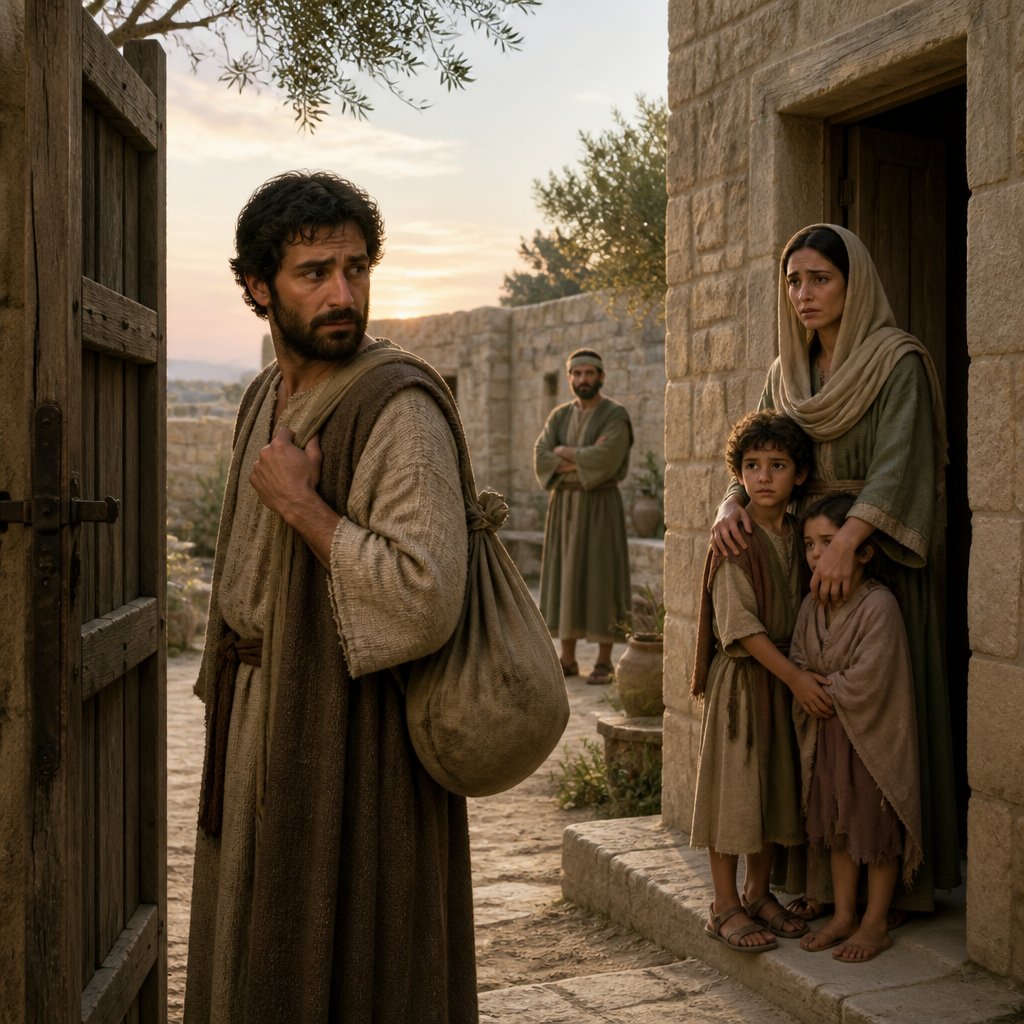
Exodus 21:4 in the King James Version reads, "If his master have given him a wife, and she have born him sons or daughters; the wife and her children shall be her master's, and he shall go out by himself." At first glance, this verse presents a stark reality rooted in the ancient customs and societal structures of Israelite life. However, beneath these historical layers lies profound truths about relationships, sacrifice, and the costs of our choices, serving as a striking reminder of the heart of God for each individual.
In the ancient Hebrew culture, servitude often portrayed a means of survival, and in many cases, it was entered into willingly to pay off debts or secure a means of living. When a servant married and had children, the family unit became intertwined with the master's household. The harsh reality expressed in Exodus 21:4 is not just a commentary on ownership but highlights the severance that occurs when a man leaves his master's house.
The implications of this passage beckon us to reflect on our understanding of freedom. When a servant is granted the gift of a wife and children, he is at once elevated in his standing but also binds himself to a new level of attachment. Yet, when freedom is ultimately granted to him—whether through the end of his servitude or his own choice—he faces a heart-wrenching decision: leave behind the family that he loves to pursue his own freedom.
The emotional weight of this decision cannot be overstated. The servant's bond with his wife and children represents years of shared experiences, love, and labor, living together in that master’s household. Imagine the grief of the servant as he considers stepping away from a family unit he had a role in building, only to find that they remain under the authority of another. It challenges our notions of what true freedom means. Is freedom a pursuit of individual autonomy at any cost, even if it means separation from our loved ones?
In deeper reflection, we see that earthly relationships often reflect spiritual truths. God calls us into a relationship with Him, offering us freedom and a new identity as His beloved children. Yet, this comes at a cost. Like the servant leaving behind his family, we may have to relinquish certain attachments, and sinful habits that tether us to a life apart from God. As we ponder what it means to be freed from the bondage of sin, we recognize that true liberation can lead to heartache as we release old ties. The heart of God grieves with us in these moments.
Moreover, in considering this verse, we are prompted to contemplate the master’s responsibility. His position as the owner may seem daunting, as he effectively holds the future of the wife and children in his hands. This is not merely a metaphorical ownership but a call to a deeper understanding of stewardship and love. God has made us stewards over the relationships in our lives, investing love, patience, and healing.
The gospel resonates within the core of this verse. Just as the servant must confront the painful reality of leaving behind his loved ones, the sacrificial love of Jesus confronts us with a choice. Jesus lovingly leaves the comforts of heaven, faces the ultimate sacrifice on our behalf, and invites us to be a part of His family. In His relationship with us, He intrigues us with the promise of reuniting all things under His Lordship, making all things new.
Ultimately, Exodus 21:4 speaks not merely of servitude and family entanglements but of broader spiritual realities. It invites us into a conversation about the nature of freedom, sacrifice, and relationships. The challenge lies in how we navigate and choose in our pursuit of freedom while holding tight to the calling of love in our lives. Remember, as we make choices that have the potential to affect relationships, we must seek God's wisdom and favor, ensuring love and grace govern our actions. Let us align ourselves with the heart of God, allowing His love to guide every decision and relation we encounter.
Want to reflect more on Exodus 21:4?
Continue your spiritual journey with Bible Chat — an AI-powered tool for exploring God's Word through conversation. Ask questions, discover connections, and deepen your understanding.
Get Our Apps


Exodus 21:4 Artwork

Exodus 21:4 - "If his master have given him a wife, and she have born him sons or daughters; the wife and her children shall be her master's, and he shall go out by himself."
"If his master have given him a wife, and she have born him sons or daughters; the wife and her children shall be her master's, and he shall go out by himself." - Exodus 21:4

Exodus 14: 21

Exodus 14: 21

Exodus 15:21

Exodus 21:21 - "Notwithstanding, if he continue a day or two, he shall not be punished: for he is his money."

Exodus 27:19-21
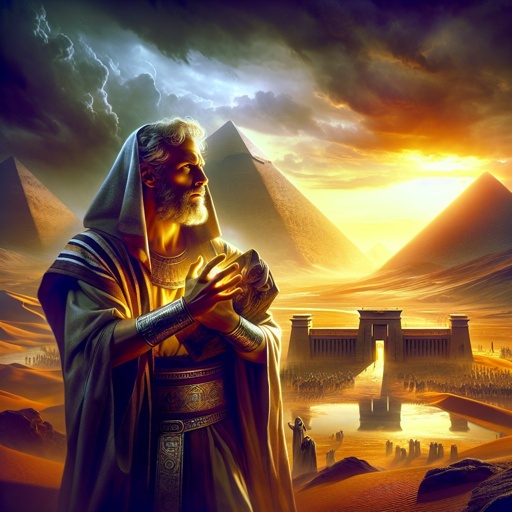
Exodus 4:21 - "And the LORD said unto Moses, When thou goest to return into Egypt, see that thou do all those wonders before Pharaoh, which I have put in thine hand: but I will harden his heart, that he shall not let the people go."

Exodus 6:21 - "¶ And the sons of Izhar; Korah, and Nepheg, and Zichri."

Exodus 21:25 - "Burning for burning, wound for wound, stripe for stripe."

The Plague of Darkness - Exodus 10:21-29

The Plague of Darkness - Exodus 10:21-29

The Plague of Darkness - Exodus 10:21-29

The Plague of Darkness - Exodus 10:21-29

The Plague of Darkness - Exodus 10:21-29

The Plague of Darkness - Exodus 10:21-29

The Plague of Darkness - Exodus 10:21-29

Exodus 21:24 - "Eye for eye, tooth for tooth, hand for hand, foot for foot,"

Exodus 21:1 - "Now these are the judgments which thou shalt set before them."

The Plague of Darkness - Exodus 10:21-29

The Plague of Darkness - Exodus 10:21-29

The Plague of Darkness - Exodus 10:21-29

Exodus 21:23 - "And if any mischief follow, then thou shalt give life for life,"

Exodus 23:4

Exodus 28:4

Exodus 28:4

Exodus 28:4

Exodus 28:4

Exodus 24:4

Exodus 23:4