The Sacred Covenant of Betrothal: A Reflection on Exodus 21:9
“And if he have betrothed her unto his son, he shall deal with her after the manner of daughters.” — Exodus 21:9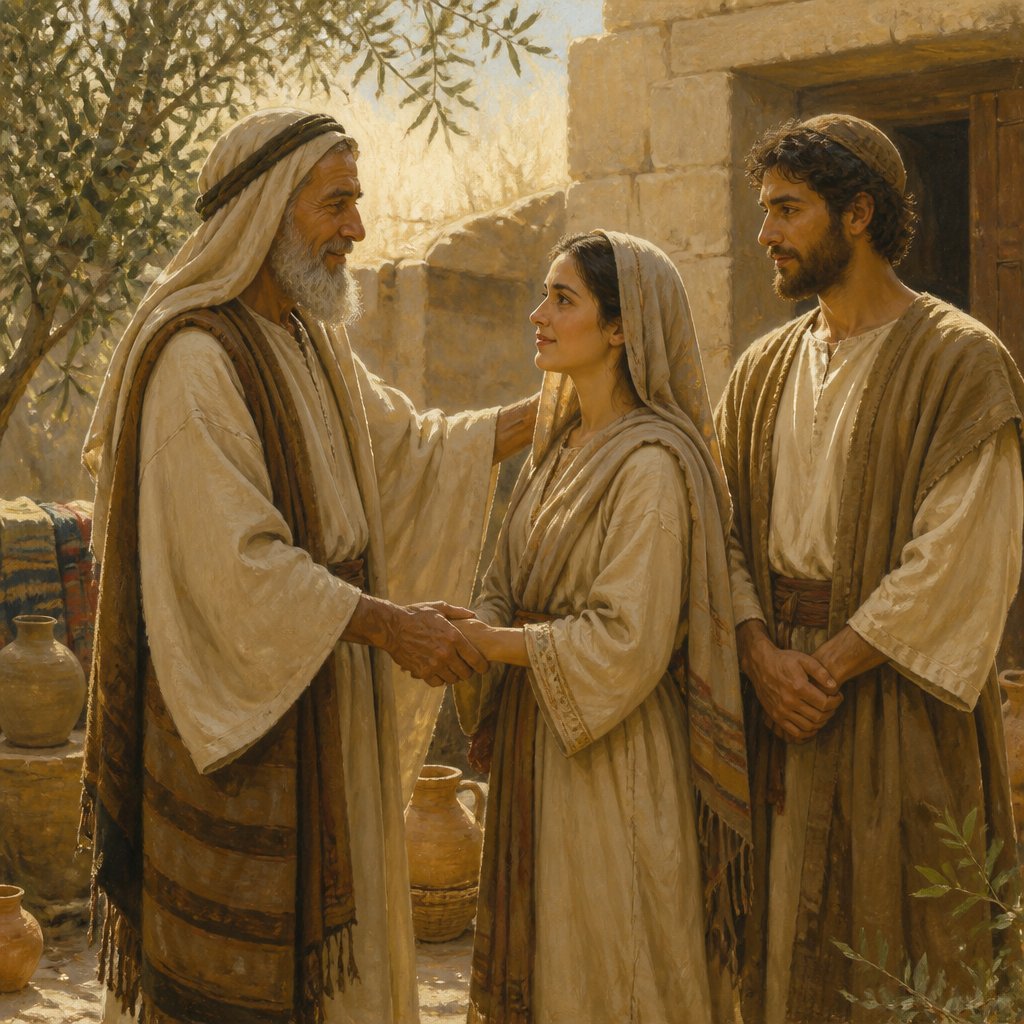
As we dive into the richness of God's word, we encounter a profound insight into relationships and responsibilities in Exodus 21:9: "And if he have betrothed her unto his son, he shall deal with her after the manner of daughters." This passage, nestled within the laws given to the Israelites, provides not only a glimpse into the cultural practices of the time but also offers timeless principles concerning love, respect, and duty in relationships.
The context of these verses illustrates the societal customs surrounding marriage and betrothal in ancient Israel. Betrothal was not merely a promise to marry; it represented a binding agreement with deep social and familial implications. When a father betrothed his daughter to a man’s son, it was a significant commitment that required careful consideration and profound respect for the young woman’s dignity.
At first glance, the directive that the father must treat her "after the manner of daughters" appears simple. However, we quickly realize that this call to action is steeped in divine wisdom. To treat a betrothed woman as one of his own daughters suggests a relationship marked by love, honor, and care. It underscores the importance of viewing betrothal not as a mere transaction but as an integral part of one's family extending into another.
In today’s world, the echoes of this ancient directive still resonate. The way we engage in relationships, not only between partners but also within families and communities, is reflective of our understanding of love and commitment. When we consider our relationships, are we approaching them with the mindset that those we love or are connected to deserve the same level of respect and care as our own family members?
To deal with her "after the manner of daughters" implies a protective and nurturing stance. Fathers are called to safeguard their daughters, not just physically but emotionally and spiritually. This duty extends into our interactions with all individuals. How often do we take the time to genuinely protect and nurture our relationships? In times of difficulty or misunderstanding, are we quick to judge or slow to show compassion? God prompts us to consider how we treat those in our lives, especially those who are vulnerable or dependent.
Moreover, the intertwining of family and relational ties found within this command serves as a reminder of God’s design for community. The assembly of family, both biological and chosen, signifies a network of support rooted in love. In a way, God presents us with a blueprint, emphasizing that relationships should resemble familial bonds, marked by unconditional love and the desire for the well-being of the other.
As we reflect on this passage, let us consider our own lives and relationships. Are we fulfilling this divine command by treating those who are betrothed to us, or those we care about, with the love accorded to our daughters? Also, it calls us to ponder our relationships with Christ. As the bride of Christ, He esteems us highly, treating us with grace and love. Are we extending that same honor to those who are in covenant relationships with us?
Finally, let us remember that this passage is not merely about the act of honoring a beloved but delving deeper into our hearts. It challenges us to examine whether we are living out the values of compassion, dignity, and respect in all our interactions. Consciously choosing to honor relationships in this way mirrors God’s love towards us and ultimately strengthens the bonds that bind us together as one family under Him.
In conclusion, Exodus 21:9 calls us to a profound way of living in relationship with others. As you move through your daily interactions, may you embody the principles of love, honor, and care that God so desires for us to reflect. Let us commit to treating all our relationships, especially those symbolizing betrothal and covenant, with the utmost respect and dignity, thus fulfilling a divine mandate in how we engage with one another.
Get our apps


Artwork for Exodus 21:9

Exodus 21:9 - "And if he have betrothed her unto his son, he shall deal with her after the manner of daughters."
"And if he have betrothed her unto his son, he shall deal with her after the manner of daughters." - Exodus 21:9

Exodus 9:21 - "And he that regarded not the word of the LORD left his servants and his cattle in the field."
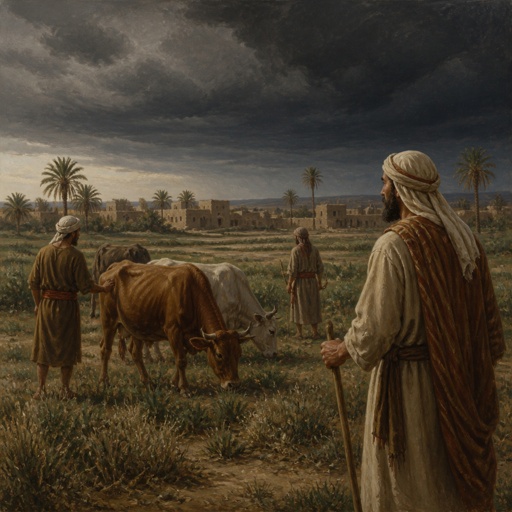
"And he that regarded not the word of the LORD left his servants and his cattle in the field." - Exodus 9:21

Exodus 14: 21

Exodus 14: 21

Exodus 15:21

Exodus 21:21 - "Notwithstanding, if he continue a day or two, he shall not be punished: for he is his money."

Exodus 27:19-21

Exodus 6:21 - "¶ And the sons of Izhar; Korah, and Nepheg, and Zichri."

Matthew 9:21

Exodus 40:9
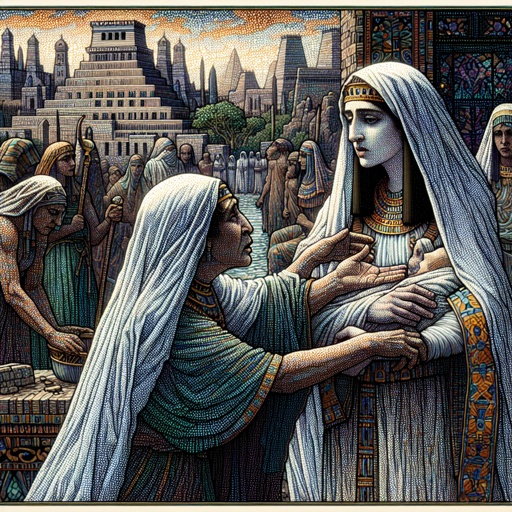
Exodus 2:9

Exodus 2:9

Exodus 21:25 - "Burning for burning, wound for wound, stripe for stripe."

Matthew 9:21-22

Matthew 9:21-22

Matthew 9:21-22

Matthew 9:21-22

Matthew 9:21-22

The Plague of Darkness - Exodus 10:21-29

The Plague of Darkness - Exodus 10:21-29

The Plague of Darkness - Exodus 10:21-29

The Plague of Darkness - Exodus 10:21-29

The Plague of Darkness - Exodus 10:21-29

The Plague of Darkness - Exodus 10:21-29

The Plague of Darkness - Exodus 10:21-29

Exodus 21:24 - "Eye for eye, tooth for tooth, hand for hand, foot for foot,"

Exodus 21:1 - "Now these are the judgments which thou shalt set before them."

The Plague of Darkness - Exodus 10:21-29