Restoration and Responsibility: The Heart of Exodus 22:7
"¶ If a man shall deliver unto his neighbour money or stuff to keep, and it be stolen out of the man's house; if the thief be found, let him pay double." - Exodus 22:7
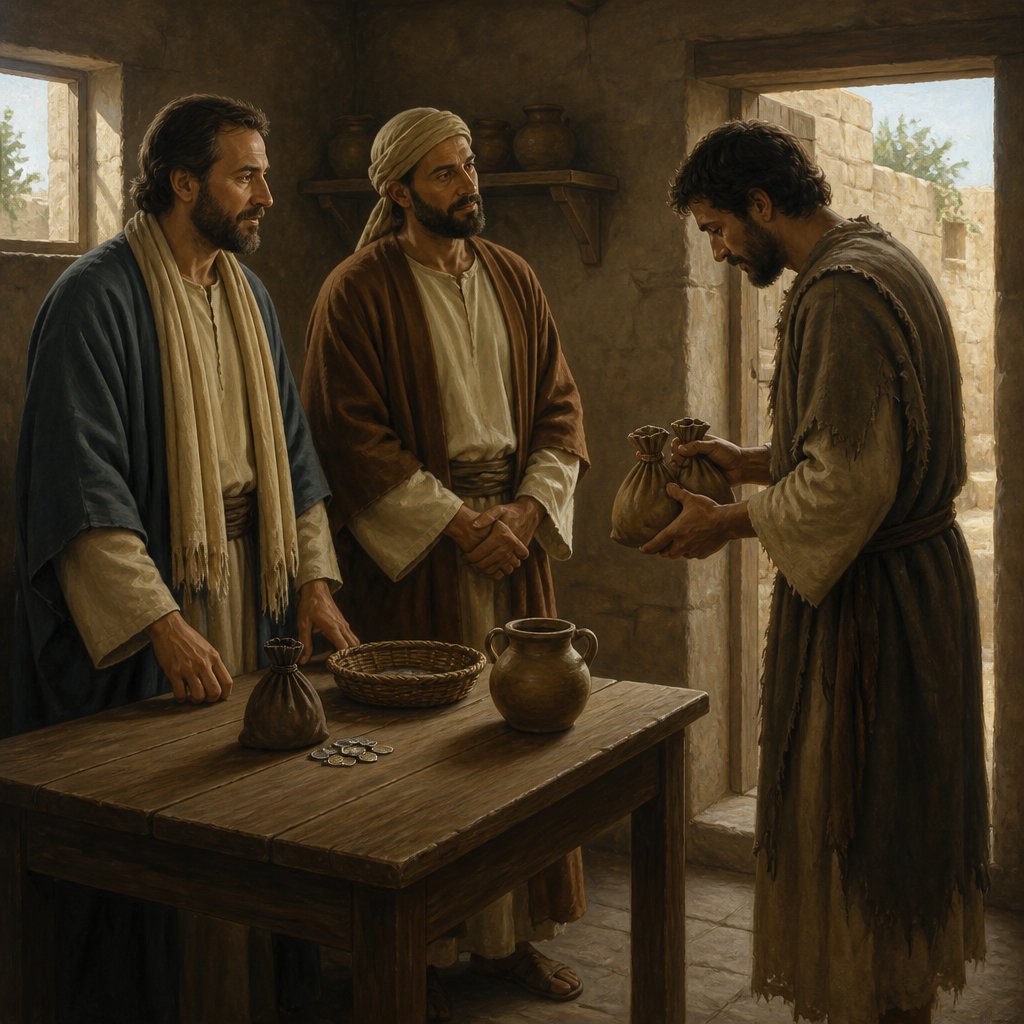
Exodus 22:7 states, "If a man shall deliver unto his neighbour money or stuff to keep, and it be stolen out of the man's house; if the thief be found, let him pay double." This passage, while seemingly simple on the surface, reveals profound truths about relationships, stewardship, and justice that transcend time and culture.
At its core, this verse speaks to the responsibility we bear toward one another. It outlines a scenario where one person entrusts their possessions to another, thus emphasizing the weight of trust in human interactions. In a world where relationships can often be transactional, this reminds us of a higher calling: to act with integrity and accountability. The act of delivering money or goods to a neighbor is a testament to the trust that exists between individuals in a community. Similarly, we are called to foster an environment where trust can thrive—building bonds that reflect the love and care that God intends for us.
From the perspective of stewardship, this verse outlines the expectation that we not only look after our own possessions but also the belongings entrusted to us by others. The very act of caring for someone else’s property signifies a depth of character and a willingness to protect what is valuable—not just materially, but relationally as well. It encourages us to consider how we handle the responsibilities we have towards others. Are we diligent custodians of what others have placed in our care? Do we safeguard their interests as if they were our own?
Moreover, the latter part of the verse addresses the topic of justice—"if the thief be found, let him pay double." Here, God establishes a principle that not only seeks to rectify the wrong done to the individual who experienced loss but also serves as a deterrent to wrongful behavior within the community. The notion of restitution, wherein the thief must pay double, underscores the gravity of theft and its repercussions. In essence, this principle reflects God’s heart for justice; He desires not only to see wrongs righted but also to uphold the dignity and worth of the victims. The requirement for the thief to compensate more than was stolen reflects the idea that theft is not merely a loss of material goods but also a violation of trust and security in a community.
In a spiritual sense, this verse also invites us to consider the ways in which we have been entrusted with gifts and resources by God. Our lives, abilities, and even our finances—often viewed as "stuff"—are wavelengths handed to us not merely for personal gain but for the Kingdom's work. God expects us to utilize these gifts responsibly and generously toward others. How do we respond when our stewardship is challenged or when we experience loss? Do we seek ways to restore and rectify situations or do we shy away from accountability, hoping issues will resolve themselves?
As Christians, we are called to reflect the heart of Christ in our interactions with others. This means being reliable, responsible, and trustworthy custodians of both tangible and intangible possessions. We are reminded that we are not our own; we have been bought at a price (1 Corinthians 6:20), and thus, our lives are a testament to God’s righteousness and justice here on earth.
In conclusion, Exodus 22:7 is more than a mere legal principle; it is an opportunity for reflection on how we treat both our possessions and those of others. It challenges us to be faithful stewards and to commit ourselves to justice and integrity in all our dealings. May we strive to uphold the values of trust and restitution in our daily lives, mirroring the unwavering faithfulness of our God, who is always concerned with redemption and restoration.
Want to reflect more on Exodus 22:7?
Continue your spiritual journey with Bible Chat — an AI-powered tool for exploring God's Word through conversation. Ask questions, discover connections, and deepen your understanding.
Get Our Apps


Exodus 22:7 Artwork
Exodus 22:7 - "¶ If a man shall deliver unto his neighbour money or stuff to keep, and it be stolen out of the man's house; if the thief be found, let him pay double."
"¶ If a man shall deliver unto his neighbour money or stuff to keep, and it be stolen out of the man's house; if the thief be found, let him pay double." - Exodus 22:7

Exodus 7:22 - "And the magicians of Egypt did so with their enchantments: and Pharaoh's heart was hardened, neither did he hearken unto them; as the LORD had said."

Exodus 22:22 - "¶ Ye shall not afflict any widow, or fatherless child."

Exodus 22:28

Exodus 15:22

Exodus 22:28

Exodus 22:28

Exodus 22:28

Exodus 22:28

Exodus 22:28

Exodus 22:28

Exodus 22:28

Exodus 22:28

Exodus 22:5

Exodus 22:5

Exodus 22:28

Exodus 22:28

Exodus 22:28

Exodus 22:28

Exodus 22:28

Exodus 22:5

Exodus 25:10-22

Exodus 6:22 - "And the sons of Uzziel; Mishael, and Elzaphan, and Zithri."

Exodus 22:18 - "¶ Thou shalt not suffer a witch to live."

Exodus 30:22 - "¶ Moreover the LORD spake unto Moses, saying,"

Exodus 22:19 - "¶ Whosoever lieth with a beast shall surely be put to death."

"¶ Ye shall not afflict any widow, or fatherless child." - Exodus 22:22

Exodus 7:10

Exodus 7:10